Neighbor News
From Anywhere to Portugal: Why More Locals Are Moving in 2026
Portugal is becoming a top move in 2026. Learn why locals are relocating and what to legally do in your first 30 days.
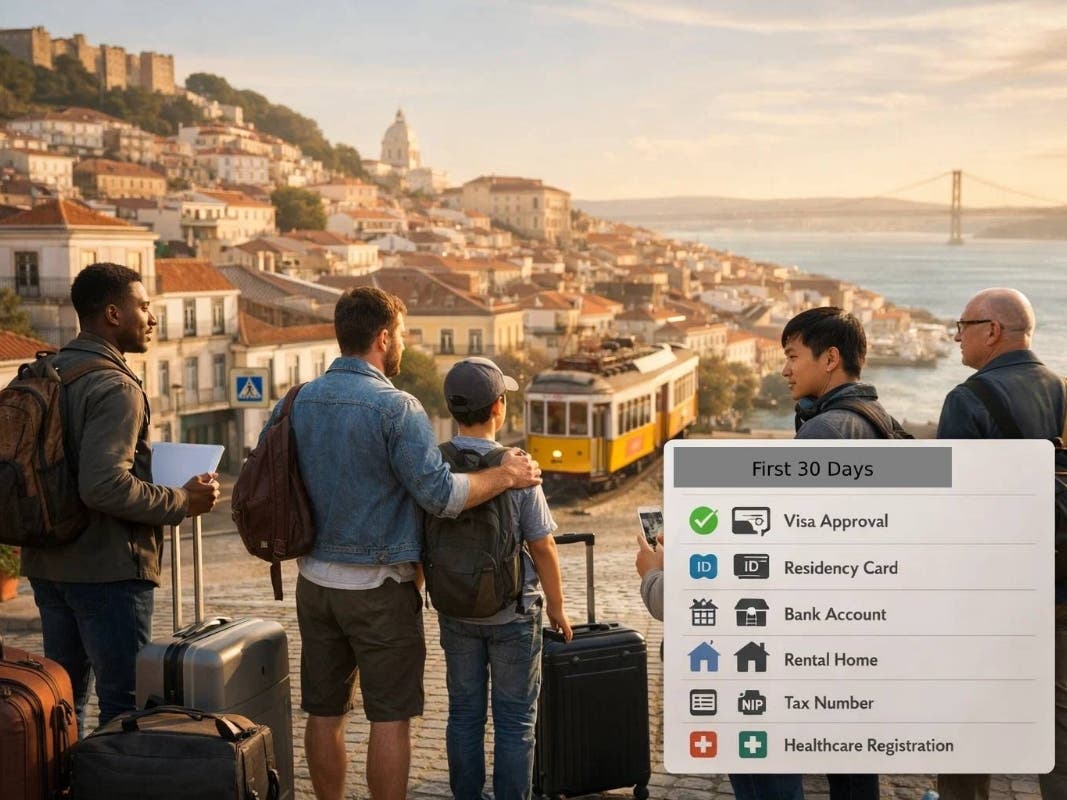
If your group chats have started sounding like “We should just move to Portugal,” you’re not imagining the trend. Portugal keeps attracting newcomers, especially people looking for a calmer lifestyle, good weather, and a country that feels manageable day to day. But the move only feels “easy” when you treat it like a project: documents, timelines, appointments, and backups.
Why Portugal, why now?
You will hear a hundred personal reasons, but the most common drivers are consistent:
- More visa pathways for different profiles, including remote workers, employees, students, and families
- A system that is still adjusting after recent changes to immigration services, which can affect timelines and appointments
- Rising interest in Europe as a base for travel, work, and family planning
Translation: plan for admin friction, keep scans of everything, and do not leave key steps to the last minute.
Find out what's happening in Albanyfor free with the latest updates from Patch.
What’s changed that newcomers should know in 2026
Processing times and appointment availability can vary. Some people experience smooth timelines, while others hit bottlenecks. The practical takeaway is simple: build slack into your plan, keep a document checklist, and expect follow ups after you arrive.
Your first 30 days in Portugal: a practical checklist
This is a field guide, not legal advice. Your exact steps vary by visa type and personal situation, but most newcomers hit the same first month needs.
Find out what's happening in Albanyfor free with the latest updates from Patch.
Days 1 to 3: Set up your paperwork ecosystem
Create a single folder in the cloud plus an offline backup with your passport, visa, proof of address, proof of income, and every receipt
Get a Portuguese SIM early so you can receive calls and SMS for banks, landlords, and appointments
Week 1: Handle the basics that unlock everything else
NIF: this tax number is often needed for leases, utilities, and many subscriptions. If you do not have it yet, prioritize it
Banking: start the process early. Requirements vary, but expect ID, address, and income documentation
Week 2: Housing with a starter home mindset
If you did not arrive with a long lease, aim for a temporary base first. It is common to need time to learn neighborhoods and gather landlord requested documents
Keep a paper trail. Rental agreements and receipts can matter later
Week 2 to 3: Residency steps and appointments
If your process requires in country follow ups, treat scheduling like a mission critical task
Save appointment confirmations, messages, and reference numbers
Week 3 to 4: Health coverage and local admin
Make sure you have health coverage that matches your situation and timeline
If you are moving toward tax residency, start building a clean record of your arrival date, address, and income documentation
Throughout the month: Avoid the 3 classic rookie mistakes
Waiting to gather documents, especially certificates and apostilles
Assuming “having the visa” means “no more admin.” For most people, the first month is when admin starts
Not backing up files. You want digital scans of everything, always
Where AnchorLess fits in
If the checklist above feels like a second job, that is because it kind of is. AnchorLess supports foreigners moving under the legal requirements and helps simplify the process so you arrive prepared. That can include handling key pre arrival steps such as getting your NIF sorted before you set foot in Portugal, plus guidance on sequencing so paperwork does not block housing and banking.
Tell us what you are seeing
Are friends, coworkers, or family members talking about Portugal in a way they were not two years ago? What is driving it for them: remote work, family ties, lifestyle, or something else?