The growing demand for renewable energy has significantly increased interest in biomass pellets as a sustainable alternative to fossil fuels. Among various raw materials, bamboo stands out due to its rapid growth, high yield, and strong regeneration ability. It is widely available in Asia, Africa, and parts of South America, making it an ideal feedstock for biomass fuel production.
The bamboo pellet production process transforms raw bamboo materials into dense, uniform fuel pellets through a series of mechanical and thermal steps. These pellets are widely used in residential heating systems, industrial boilers, and biomass power plants because of their high energy density and clean combustion performance.
The process begins with raw material preparation. Bamboo poles, branches, chips, and processing residues are collected from plantations and bamboo-related industries. These materials are then cleaned to remove impurities such as stones, metal, and soil, ensuring stable equipment operation and consistent pellet quality.
Next, the bamboo is chipped and ground into smaller particles. Uniform particle size is essential because it directly affects pellet density and durability. After grinding, the material enters the drying stage, where moisture content is reduced to an optimal level, typically around 10–15%. Proper moisture control is critical for efficient pellet formation.
pelletisingmachine.com/bamboo-pellet-machine/
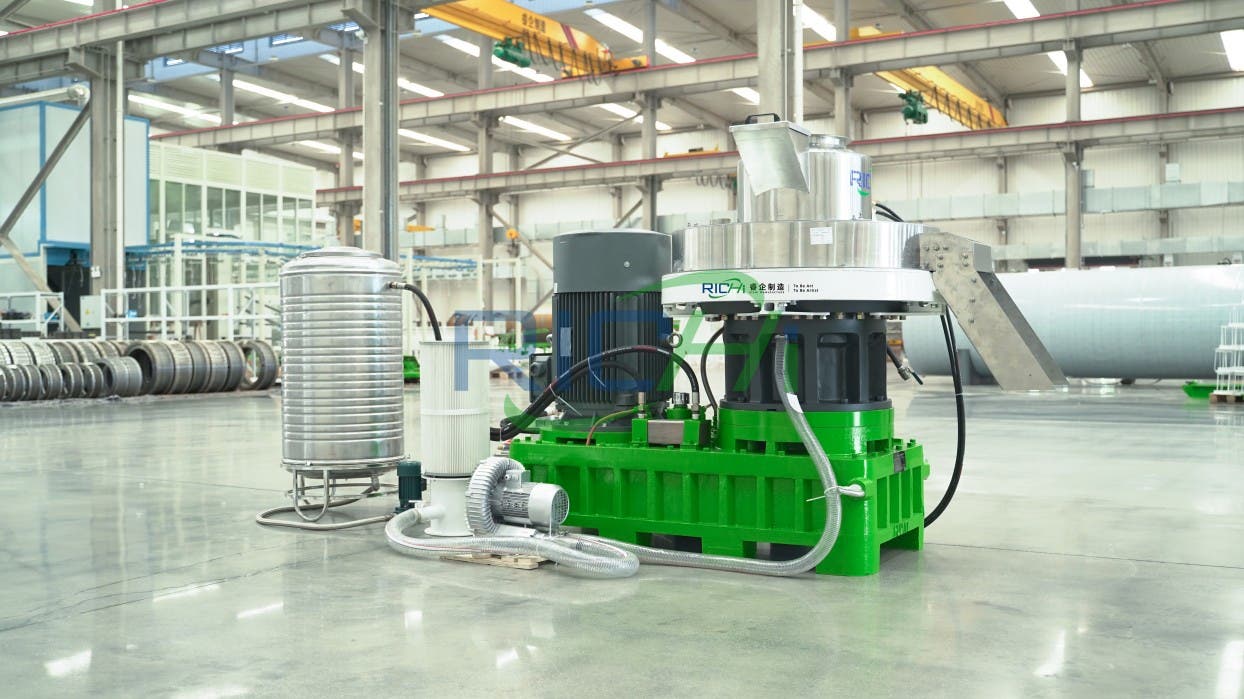
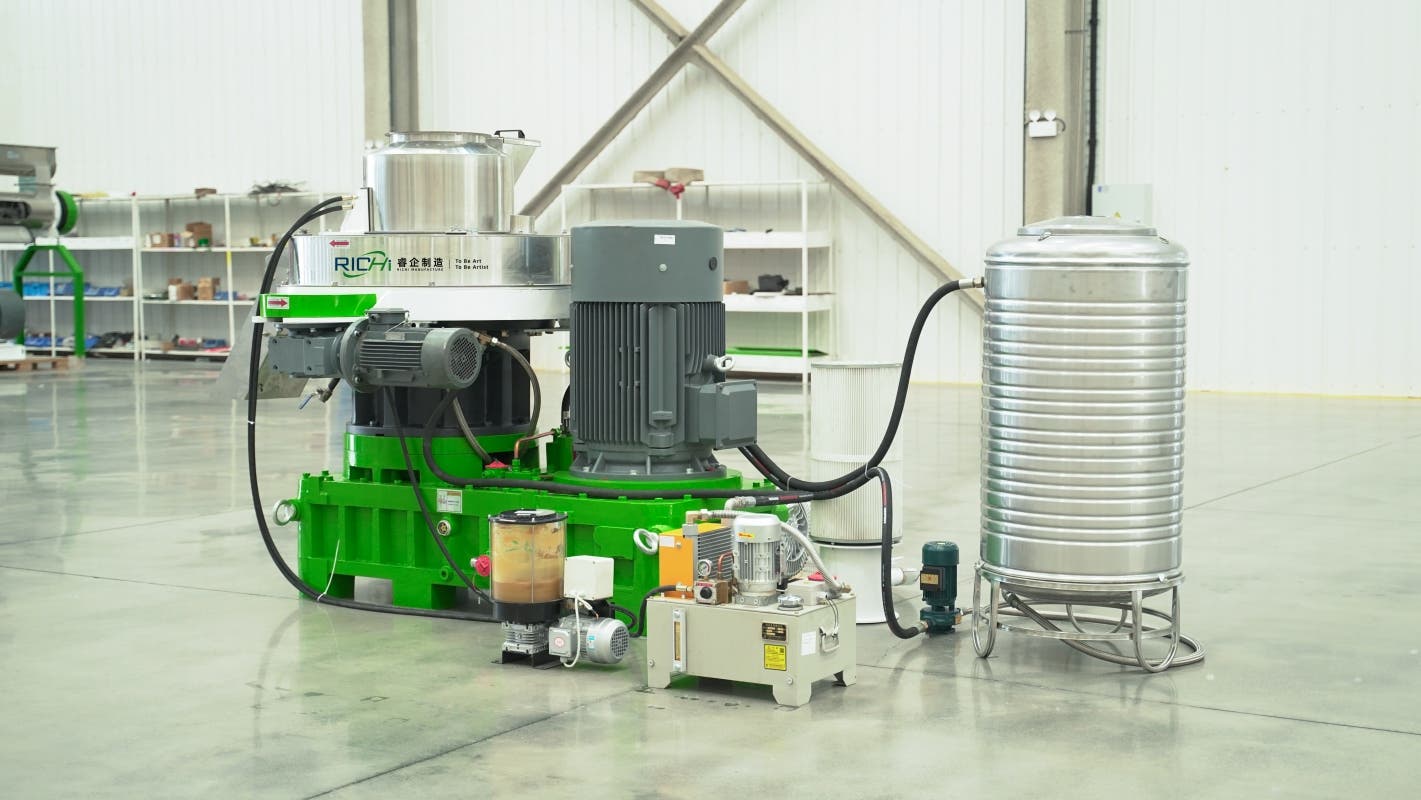
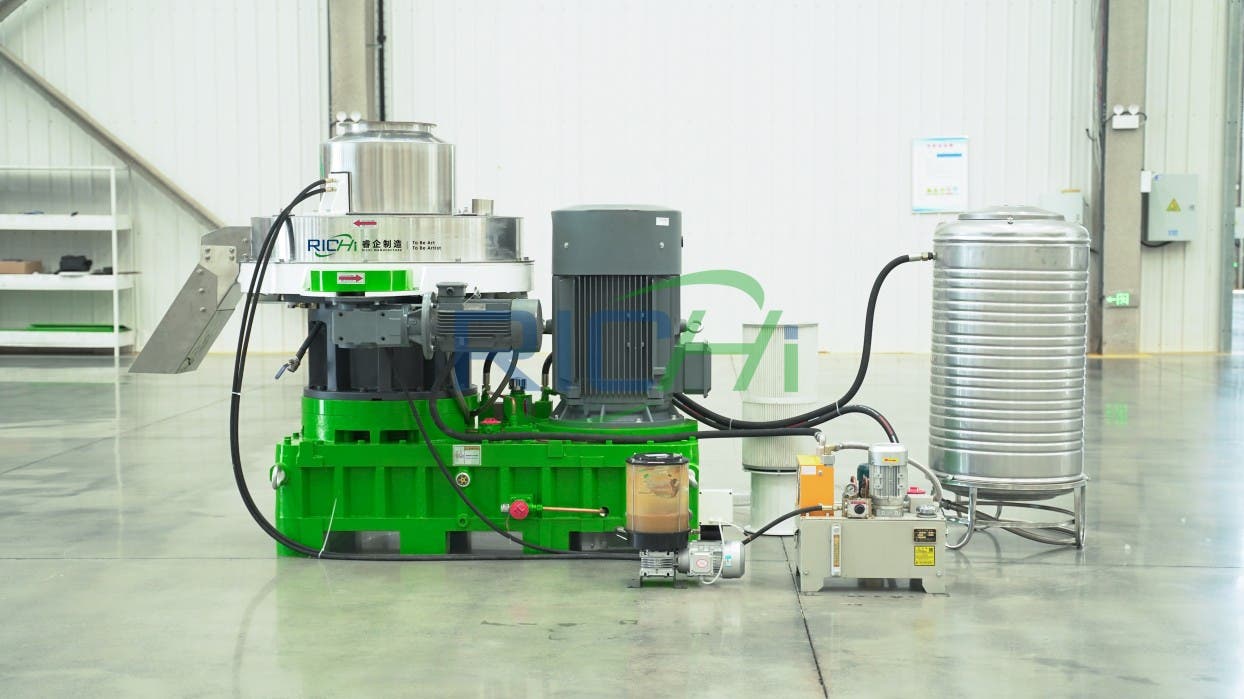
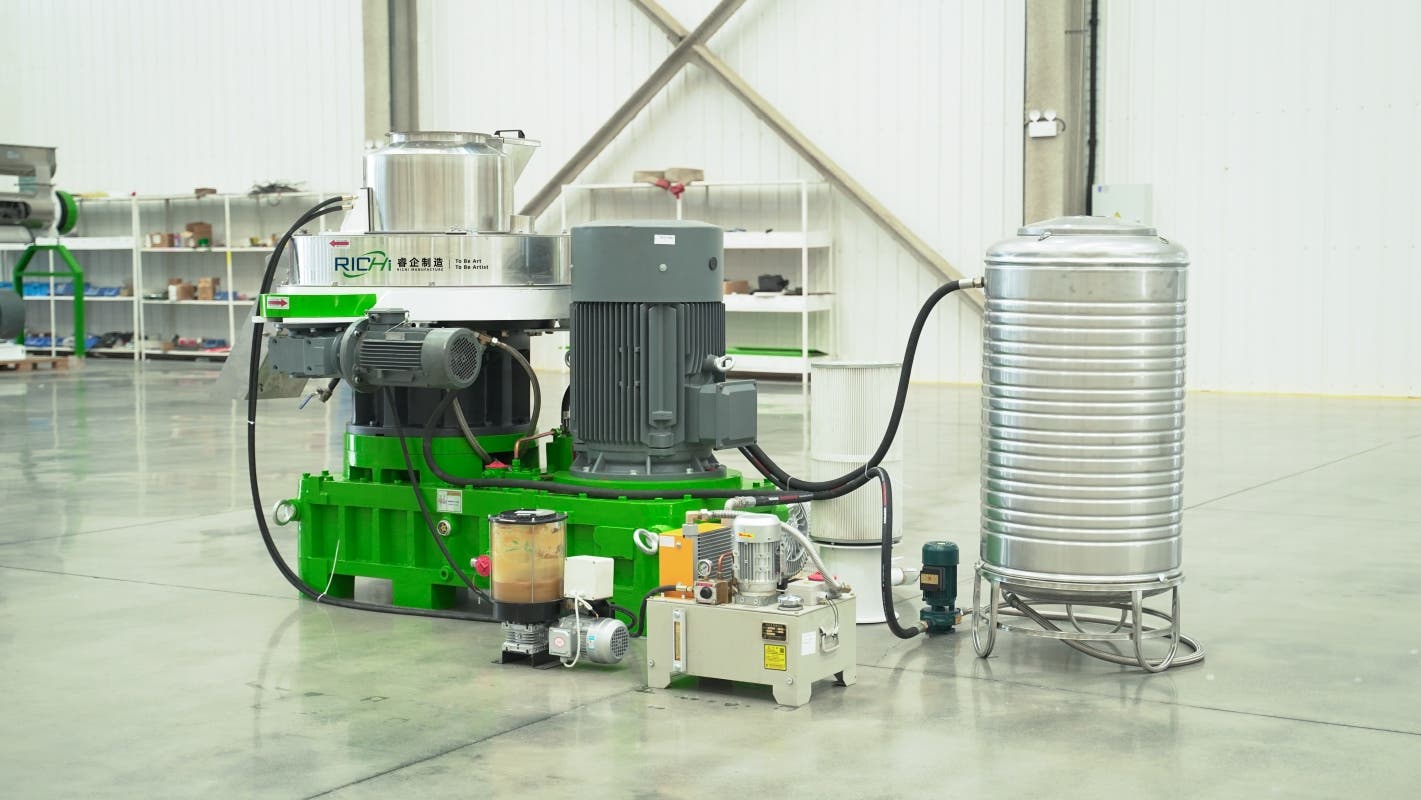
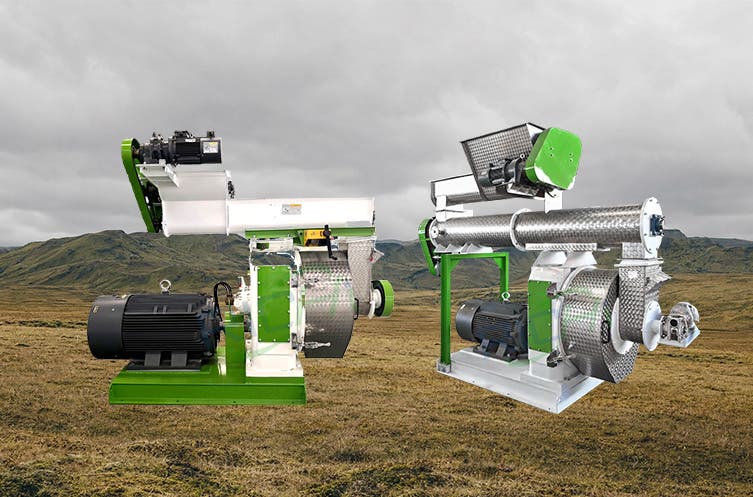
The core stage of the bamboo pellet production process is pelletizing. In this step, prepared bamboo particles are fed into a pellet machine where high pressure and friction compress the material through a ring die. The heat generated during compression softens natural lignin in bamboo, which acts as a natural binder. This allows the particles to fuse together without chemical additives, forming solid cylindrical pellets.
After pelletizing, the hot pellets are transferred to a cooling system. Cooling increases hardness and improves storage stability. The pellets are then screened to remove fines and broken particles, ensuring uniform product quality. Finally, the finished pellets are packaged in bags or bulk containers for storage and transportation.
Throughout the entire bamboo pellet production process, factors such as raw material quality, moisture content, particle size, and machine settings play a crucial role in determining final product performance.
With increasing global emphasis on renewable energy and carbon reduction, bamboo pellet production continues to expand as a practical and environmentally friendly solution for sustainable fuel supply. (Richi Machinery)