Politics & Government
5 Things To Know About NYC's $125.8 Billion Budget Deal
The final budget resolves a standoff over housing vouchers.


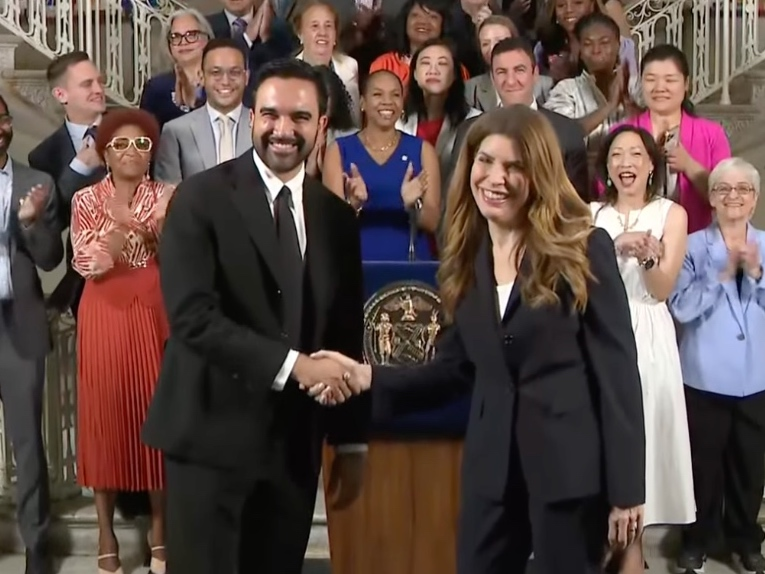
NEW YORK, NY— After days of negotiations that stretched to the legal deadline, New York City officials reached a handshake agreement on a $125.8 billion Fiscal Year 2027 budget, ending a standoff between Mayor Zohran Mamdani's administration and the City Council.
The biggest obstacle was funding for CityFHEPS, the City's rental assistance program that helps low-income households afford private apartments instead of entering the shelter system.
The City Council had pushed for at least $200 million in additional funding, while the administration warned that a broader expansion could create significant long-term costs.
Find out what's happening in New York Cityfor free with the latest updates from Patch.
The final agreement includes a compromise that adds substantial new housing assistance while allowing both sides to declare victory.
Here are five key takeaways from the budget agreement:
Find out what's happening in New York Cityfor free with the latest updates from Patch.
1. Housing Assistance Received A Major Funding Boost
The central issue in budget negotiations was rental assistance.
The agreement provides $175 million in Fiscal Year 2027 for a new rental assistance program through the Department of Housing Preservation and Development, with $125 million becoming permanent funding beginning in Fiscal Year 2028.
While the Council did not secure the full $200 million-plus it sought, the investment represents one of the largest new housing affordability initiatives in the budget and resolves the dispute that nearly delayed the city's spending plan.
2. The City Increased Its Financial Cushion
Alongside new spending, city leaders emphasized fiscal stability.
The budget adds $350 million to New York City's General Reserve, giving the city a larger financial cushion for unexpected expenses or economic downturns.
The Mamdani administration said it balanced the budget through agency savings, additional revenue and state support rather than widespread service cuts.
3. Several Programs No Longer Face Annual Budget Fights
For years, libraries, parks and other programs relied on one-year restorations during each budget cycle, creating uncertainty for employees and residents.
The new budget permanently funds:
- The city's three library systems.
- Parks maintenance.
- Fair Fares discounted transit.
- Cultural organizations.
- CUNY.
By baselining these programs, officials say future budgets will no longer require annual negotiations simply to maintain existing services.
4. The Budget Invests In Housing, Mental Health And Legal Services
Beyond rental assistance, the spending plan expands funding across several major priorities.
New investments include affordable housing preservation, community food pantries, mobile mental health treatment teams, immigrant legal services, support for domestic violence survivors seeking stable housing and homeowner assistance programs aimed at preventing displacement.
The administration said the investments are intended to improve affordability while strengthening essential city services.
5. A New 9/11 Health Records Portal Will Launch
The budget creates a public online portal containing city records related to post-9/11 air quality and health risks.
Officials said the first batch of documents will be released before the 25th anniversary of the Sept. 11 attacks, with additional records added over time. The portal is intended to make decades of government records more accessible to first responders, survivors, researchers and the public.
Get more local news delivered straight to your inbox. Sign up for free Patch newsletters and alerts.