Neighbor News
Are Multivitamins Safe? What Women Should Know Before Taking Them
A closer look at the benefits, risks, and safety of multivitamins

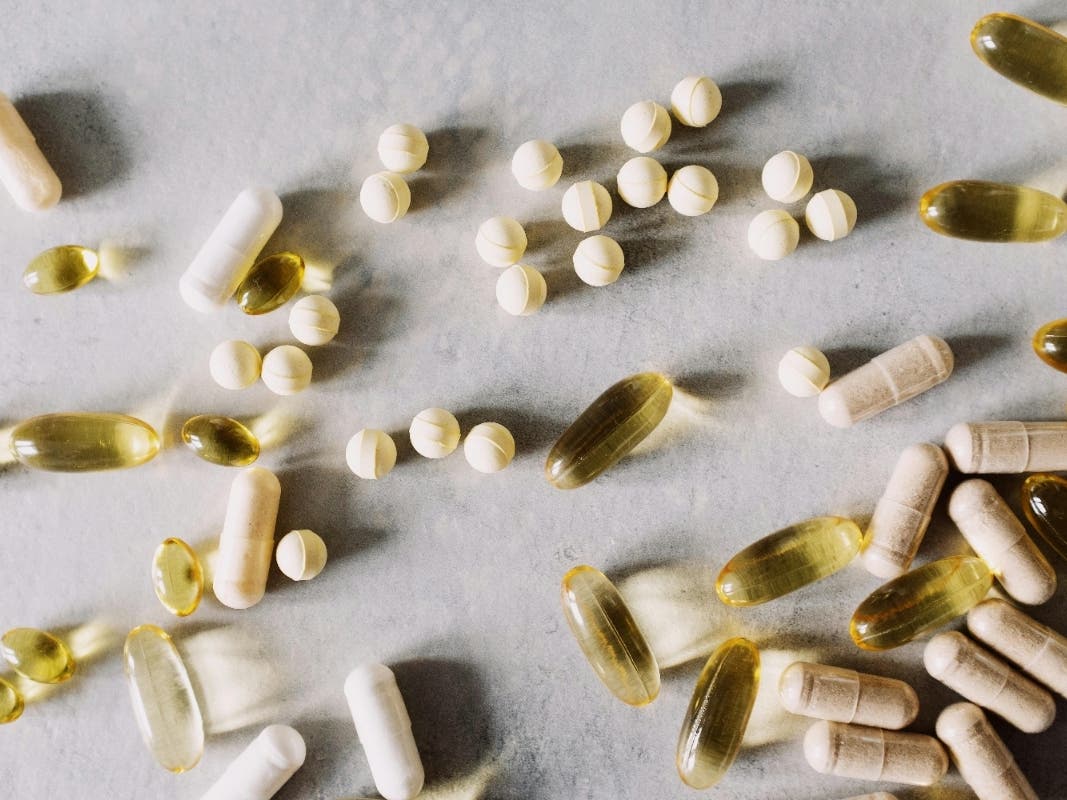
Millions of women take a multivitamin supplement each day. They can be a good way to fill nutritional gaps, especially since many Americans do not meet the recommended daily intake of key vitamins and minerals. Safety, however, depends on the quality of the vitamin, proper use, and third-party testing to avoid contaminants such as heavy metals.
Multivitamin Safety in a Nutshell
Based on studies, multivitamins are generally safe when used as directed. That means taking your vitamins in the proper dosages and checking with your doctor or pharmacist before combining them with other medications or nutritional supplements.
It’s important to keep in mind, however, that multivitamins are not regulated by the FDA for safety. Because vitamins are classified as food products rather than medications or drugs, they are not handled the same way by the FDA. It’s up to the multivitamin manufacturers themselves to provide safety and efficacy data, which can lead to conflicts of interest for consumers. The best way to find safe and effective vitamins is to choose a brand that undergoes third-party safety testing.
Find out what's happening in Oregon Cityfor free with the latest updates from Patch.
Safety Concerns Women Should Be Aware Of
Vitamins have a relatively low risk of adverse reactions, but they do exist. You should check the inactive ingredients of any vitamins you’re considering to ensure you are not allergic to any components. For instance, some formulations may contain trace amounts of shellfish or gluten. Some may also contain gelatin, which is something you should keep in mind if you don’t consume animal products.
Overdose
The biggest safety risk with vitamins is overdose. Some vitamins, such as the B vitamins, are water-soluble and are excreted in urine when taken in excess. This makes overdose unlikely. Others can accumulate in the body, and this is when overdose is more of a concern. Some key vitamins with an overdose risk are:
Find out what's happening in Oregon Cityfor free with the latest updates from Patch.
- Iron: This is the biggest offender when it comes to overdose and is a major cause of toxicity in children. If you take an iron-containing vitamin or supplement, it’s important to make sure you don’t consume more than the upper limits for safety.
- Vitamin D: Too much vitamin D can lead to a condition known as hypercalcemia, which can cause confusion, kidney stones, irregular heartbeat, and nausea. This is a relatively rare occurrence, but it should be noted.
- Vitamin A: Vitamin A toxicity can cause blurred vision, nausea, and severe headaches.
Keep in mind that you need to include the fortified foods you eat in your daily vitamin intake total. Most multivitamins come with a safe amount of each vitamin to combine with any foods you want to consume, so it’s important to take the recommended daily dose.
Vitamin Interactions
Some vitamins and supplements may interact with drugs you are already taking. For instance, vitamin K may interfere with blood thinners. If you are on a prescription medication, it’s important to discuss any supplements you are considering with your doctor. Keep in mind that some supplements can enhance or counteract other vitamins. For instance, taking a calcium-containing supplement too soon before or after taking an iron supplement may hinder the absorption of iron.
Quality Control
Multivitamin contamination isn’t as rare as many consumers think. In some studies, as many as 27.6% of vitamins tested failed quality control standards. Some had much less or more of certain vitamins than the label represented. This makes keeping your dosing accurate difficult, and may result in spending money on vitamins that you aren’t even getting.
Additionally, many vitamins were also contaminated with potentially harmful substances like heavy metals like lead, cadmium, and arsenic.
The best way to ensure you are getting the vitamins you need without the additives you don’t is to go with brands that have verified third-party testing to prove their ingredients and purity.
Choosing a Multi-Vitamin
Women need different amounts of key vitamins at various life stages. Some factors to keep in mind when choosing a vitamin for yourself include:
- Life Stage: Women of reproductive age should take a prenatal vitamin or a multivitamin with at least 400-800 mcg of folic acid or folate to prevent neural tube defects in the event of pregnancy. Vitamins should also contain iron due to menstruation, or you should eat an iron-rich diet. Older women may need more calcium and vitamin D to promote joint health.
- Special Concerns: Supplementation may help with specific concerns such as joint health or cellular energy. Older women may find that taking healthy joint supplements helps keep their bones stronger. New research has also shown that buying antioxidants or NAD+ supplements online or in-store may help with cellular health and longevity.
- Safety: Look for vitamins with certifications from NSF, USP, ConsumerLab, or Informed Choice to ensure the one you’re choosing is free from contaminants and that it contains the levels of vitamins or supplements advertised.
Key Takeaways
Multivitamins can be a beneficial and safe part of your daily diet when used appropriately and purchased from a reliable brand. Some studies have shown that a daily multivitamin improves cognition and memory in older adults. They also help fill nutritional gaps, but should not be used in place of eating a nutrient-dense diet.