Chattanooga, TN|Local Classified|For Sale|
Long-Term Structure and Maintenance of Wisteria
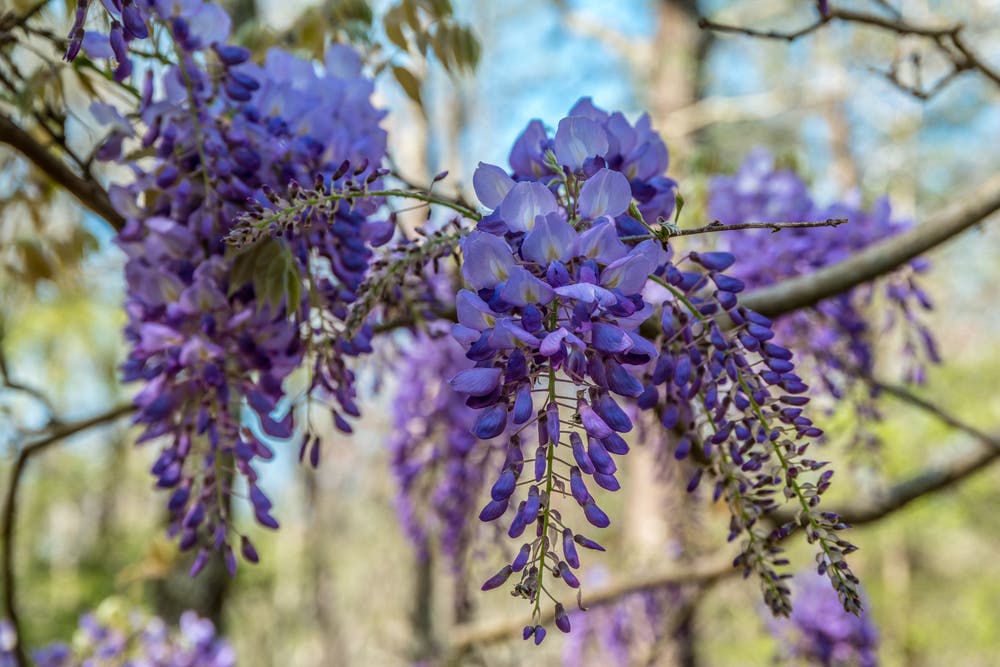
Wisteria offers long-term structural value when managed with thoughtful pruning and placement. I have always emphasized that while Wisteria is vigorous, proper training transforms it into a refined landscape feature. Whether grown as a vine or shaped into a Wisteria Tree, this plant responds predictably to maintenance.
The bloom cycle of Wisteria rewards careful pruning. By shaping Wisteria during dormant periods, gardeners encourage stronger flowering in spring. The Wisteria Tree form benefits especially from balanced pruning, allowing blooms to cascade evenly beneath the canopy. I appreciate how Wisteria combines dramatic display with manageable control when guided correctly.
Wisteria thrives in sunny locations with well-drained soil. Once established, Wisteria demonstrates resilience and steady growth. The twisting branches of Wisteria add sculptural interest throughout the year. Even without flowers, the Wisteria Tree maintains architectural character.
Because Wisteria grows assertively, support structures must be strong. Trellises and arbors provide stability for climbing Wisteria, while a Wisteria Tree requires a solid training stake during early development. With proper care, Wisteria matures into a dependable landscape centerpiece.
Seasonal transitions further reinforce its appeal. Spring bloom introduces fragrance and movement, summer foliage adds density, and winter structure preserves elegance. Wisteria remains relevant across seasons.
For homeowners seeking dramatic bloom paired with long-term adaptability, Wisteria offers exceptional value. The Wisteria Tree in particular provides structure, height, and cascading beauty that enhance outdoor living spaces.