Politics & Government
RPV Moves Ahead With Study Of New Developer Fees
A city study estimates developer fees could raise $8.8 million for infrastructure through 2050. No fees have been approved.


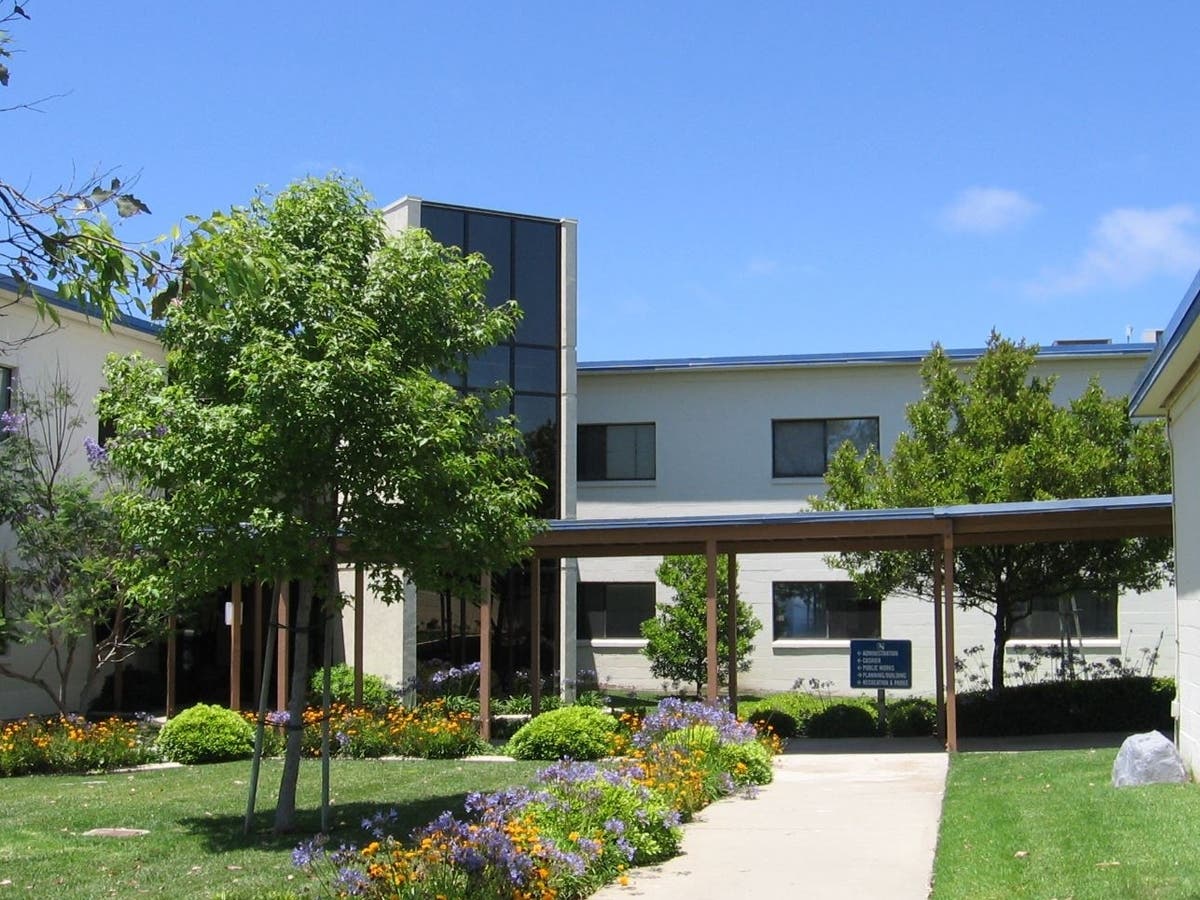
RANCHO PALOS VERDES, CA — Rancho Palos Verdes will spend up to $50,000 studying whether to impose new fees on future development to help pay for roads, parks, public safety facilities and other infrastructure.
The City Council on Tuesday directed staff to move ahead with a nexus study examining potential Development Impact Fees, or DIFs, after a preliminary analysis estimated such a program could generate about $8.8 million through 2050. No new development fee has been approved and Tuesday's action does not authorize the city to begin collecting one. Instead, the study will examine what fees could legally be imposed, what types of development could be charged and which infrastructure projects could receive the money.
The council authorized a professional services agreement with Willdan Financial Services for up to $50,000 to conduct the study. The work is expected to take six to 12 months, according to the city's Sept. 15 staff report. Once it is finished, the nexus study and any proposed fees will return to the council for consideration. The city's Sept. 15 meeting agenda also calls for staff to work with Willdan and city departments to identify eligible capital improvements and refine assumptions about future development.
Find out what's happening in Palos Verdesfor free with the latest updates from Patch.
What Could The Fees Raise?
Development impact fees are one-time charges intended to make new development pay its proportionate share of the cost of new or expanded public facilities needed to accommodate that growth. Before imposing them, a city must demonstrate a legally supportable relationship, or "nexus," between new development, the additional infrastructure demand it creates and the amount and purpose of the fee.
Rancho Palos Verdes has been exploring the idea for more than two years. The Finance Advisory Committee began discussing DIFs in May 2024 and the City Council in September of that year approved a recommendation to initiate a nexus study. Rather than immediately commission the full study, the city hired Willdan in 2025 to conduct a smaller initial evaluation for about $9,700.
Find out what's happening in Palos Verdesfor free with the latest updates from Patch.
Completed in June, that analysis estimated a DIF program could potentially generate about $8.8 million from 2026 through 2050, based on assumptions that Rancho Palos Verdes could add 540 single-family homes, 107 multifamily units, 69,000 square feet of commercial development and 43,000 square feet of office space. The analysis estimated about $4.2 million could be generated for recreation and parks, $1.9 million for transportation, $1.7 million for general government facilities and $1.1 million for public safety. Sewer infrastructure could also be considered as part of the full nexus study.
Those numbers are illustrative rather than proposed RPV fees. Willdan used fee levels from other jurisdictions to produce the initial estimate and actual revenue would depend heavily on how much development ultimately occurs. If the city experienced only half of the development assumed in the analysis, for example, estimated revenue would drop to approximatley $4.4 million. At 30 percent of the projected development, it would fall to roughly $2.7 million.
Is There Enough Development?
That uncertainty was central to the debate over whether Rancho Palos Verdes should commission the study at all. The Finance Advisory Committee voted 3-2 on Aug. 13 to recommend deferring it, citing the city's largely built-out character, uncertain revenue potential, budget considerations and continuing administrative requirements.
The council's Fiscal Sustainability Subcommittee later considered the potential benefit of having a fee structure in place to capture revenue from future development, including development that could result from the city's Housing Element and state housing requirements.
Recent construction numbers help illustrate the issue. The staff report lists two new single-family or rebuild permits in 2024, 11 in 2025 and six in 2026. It also lists 11 accessory dwelling unit permits in 2024, 15 in 2025 and seven in 2026.
New development already faces a range of city charges. Recent new single-family homes incurred approximately $35,000 to $60,000 in combined planning and building and safety fees, according to the staff report, while second-story projects generated roughly $24,000 to $31,000.
Those existing charges are not the same as the DIFs now being studied. Planning and building fees generally recover the city's costs of reviewing, processing and inspecting individual projects, while development impact fees are intended to fund qualifying capital infrastructure associated with growth.
Rancho Palos Verdes publishes its current charges through its FY 2026-27 fee schedules and maintains an AB 602 development-fee transparency page. The city's Building and Safety Division also provides current building, geologic review and developer fee information.
State Housing Debate Looms In Background
The discussion comes amid a broader dispute between Rancho Palos Verdes and Sacramento over the financial effects of state housing legislation. The city has opposed Senate Bill 677, arguing that the legislation would require ministerial approval of certain smaller housing developments while restricting local development standards and prohibiting impact fees on projects under 1,750 square feet.
In its spring 2026 newsletter, RPV said those restrictions could shift long-term infrastructure and service costs to cities without providing replacement funding. The city made a similar argument in a January administrative report, saying state-mandated housing approvals could leave local governments responsible for infrastructure and service impacts without additional resources.
The nexus study will now examine Rancho Palos Verdes' own development assumptions, potentially eligible infrastructure projects and the share of those costs that could legally be attributed to future development. It could also examine possible exemptions, reductions or waivers for particular categories of development.
Even then, the study will not automatically create a new fee. Any proposed DIFs would have to return to the City Council and go through a separate public process before they could be adopted.
Get more local news delivered straight to your inbox. Sign up for free Patch newsletters and alerts.