Community Corner
Breaking the Silence Around Men’s Mental Health
It's important to acknowledge that men can struggle with mental health challenges too. Read more to find out why.

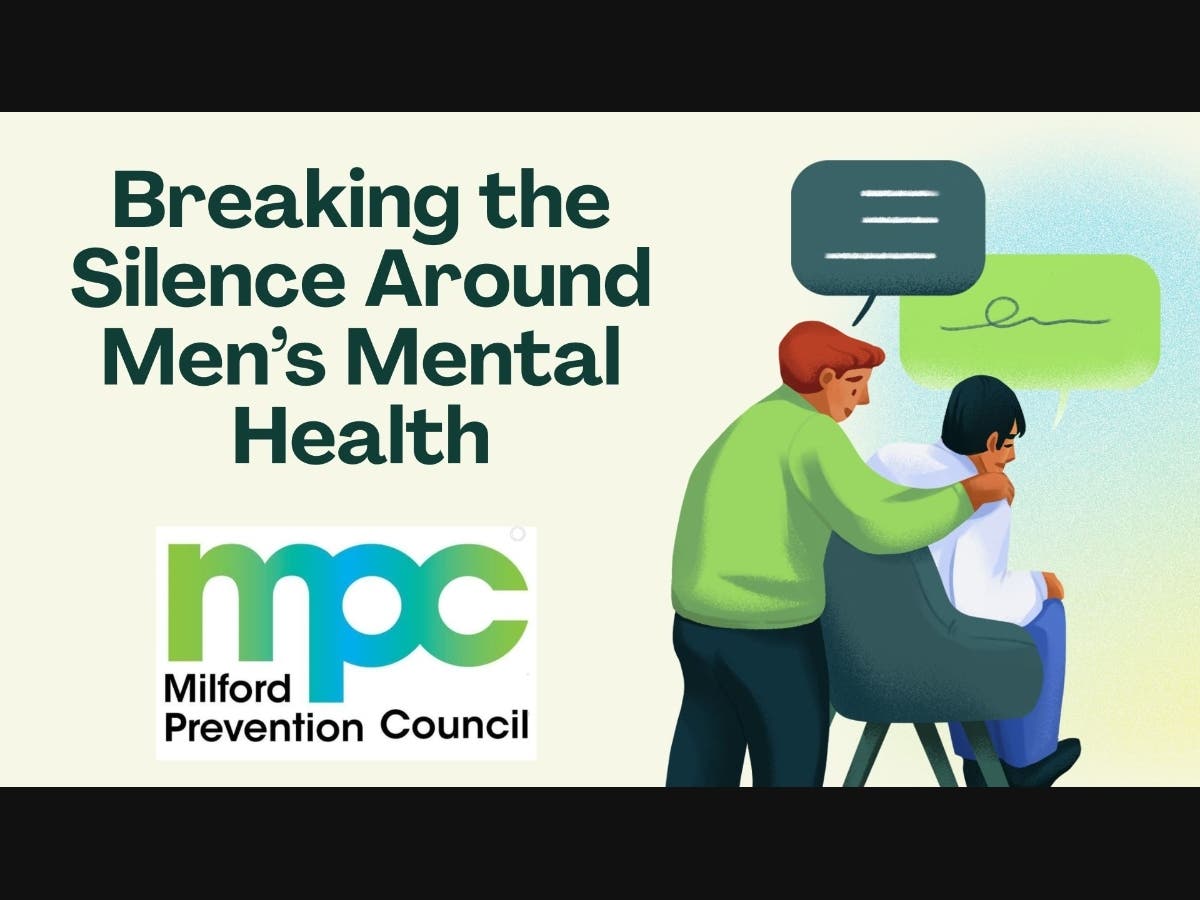
This article is courtesy of MPC intern, Bianca Jackson.
The Importance of Men’s Mental Health
Men’s Mental Health Awareness Month addresses the stigma that typically discourage men from being able to express their emotional struggles or seek support. They face traditional expectations surrounding masculinity which pressures men to be strong, independent, and emotionally controlled. Resilience doesn’t have to be a bad thing, but emotional suppression can lead to long-term mental health challenges.
Find out what's happening in Milfordfor free with the latest updates from Patch.
Common Mental Health Challenges in Men
While men and women can both struggle with anxiety and depression, according to the National Institute of Mental Health and the CDC, men are statistically more likely to experience substance use disorder, attention-deficit/hyperactivity disorder (ADHD), and are more likely to die by suicide. Symptoms of these challenges may appear differently in men, such as anger, irritability, withdrawal or risky behaviors compared to expressing sadness.
Find out what's happening in Milfordfor free with the latest updates from Patch.
Barriers to Seeking Help
Many men avoid seeking mental health care due to:
- Fear of being judged/seen as weak
- Cultural expectations about masculinity
- Difficulty understanding emotional symptoms
- Limited conversation surrounding men’s mental health
These barriers can delay treatment and further increase risk.
Encouraging Help-Seeking and Support
Seeking support can be in many forms such as therapy/counseling, support groups, and physical activity/other positive coping mechanisms. If you feel like you need help, don’t be afraid to reach out to someone. Seeking help is a sign of strength, not weakness.
Resources
Some resources you can reach out to if you feel like you need help are:
- Suicide Lifeline: Dial 988
- 24/7 Crisis line: Dial 1-800-HOPE-135