Neighbor News
Strong People Get Anxious Too — Especially Right Now
Even the strong feel it. Constant responsibility can keep the nervous system on alert; real strength includes rest, safety, and reset.

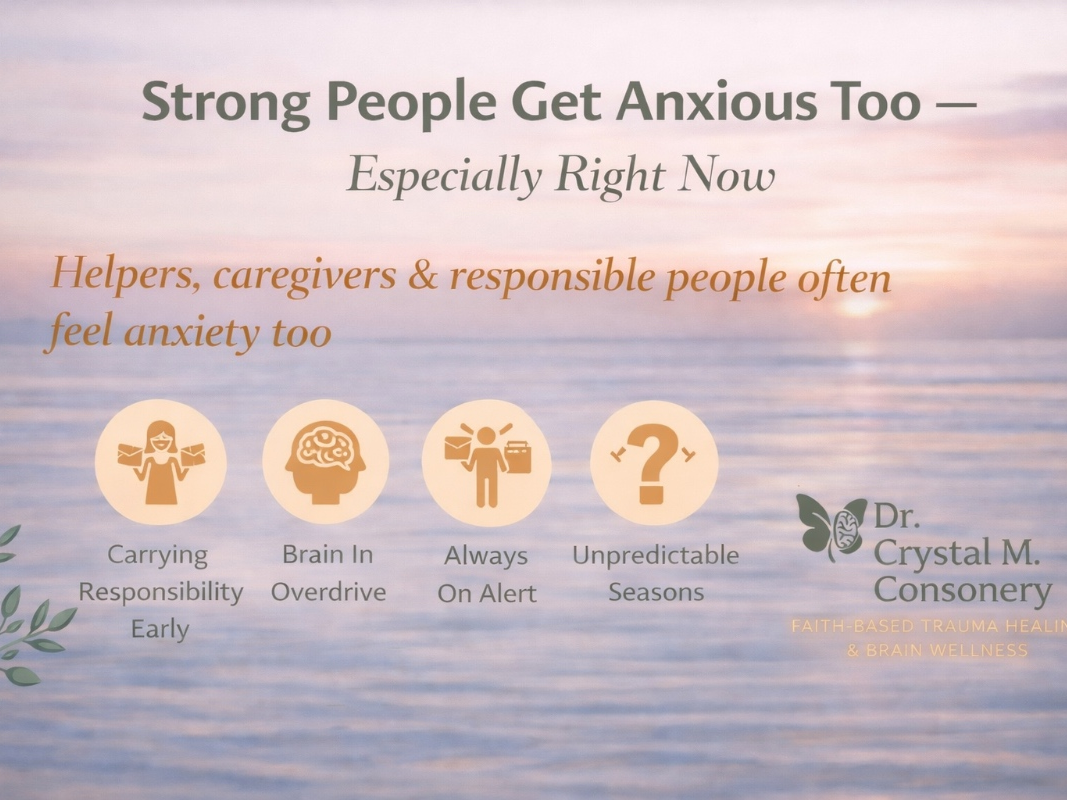
In seasons of uncertainty many “strong” people are the ones quietly struggling the most. They are the helpers, the caregivers, the responsible ones everyone depends on. They are used to being the steady voice, the problem-solver, and the emotional anchor for others. On the outside, they look capable, calm, and in control. On the inside, their nervous systems may be carrying more than anyone realizes.
Strong people often don’t give themselves permission to fall apart. They keep going, hold things together, and push through exhaustion because others rely on them. Over time, this constant output asks the body to stay in a state of readiness. The nervous system begins to operate as if there is always something urgent to manage. Even when life is technically “okay,” the body may still feel on edge.
Being capable does not cancel biology. Responsibility, especially when carried for long periods, can keep the stress response switched on. The body was not designed to stay in survival mode indefinitely. When it does, anxiety can become the signal that the system is overwhelmed. This isn’t a character flaw, it’s a nervous system asking for relief.
Find out what's happening in Mariettafor free with the latest updates from Patch.
That’s why rest matters now more than ever. Not just physical rest, but mental and emotional rest that allows the system to reset. Healthy rest includes taking breaks without guilt, even when there is more to do. It means letting others help instead of carrying everything alone. It also means saying no when overwhelmed and allowing yourself to unplug from constant demands.
Strength without rest eventually leads to burnout. The body will demand a pause one way or another. Sustainable strength is not about doing more; it is about building in safety and recovery. True resilience includes cycles of effort and restoration. When we honor those cycles, strength becomes something we can carry for the long term, not just survive in the short term.
Find out what's happening in Mariettafor free with the latest updates from Patch.
Dr. Crystal M. Consonery is a faith-based trauma healing and brain wellness educator who helps women understand the connection between the nervous system, emotional health, and spiritual restoration. Through neuroscience-informed coaching and compassionate support, she equips women to move from survival mode into lasting resilience, peace, and wholeness.