Crime & Safety
Wrongful Death Suit Filed After Woman Chokes At Rolling Meadows Group Home
The lawsuit alleges Clearbrook failed to follow Emily Kasanga's care plan, which required close supervision while eating.


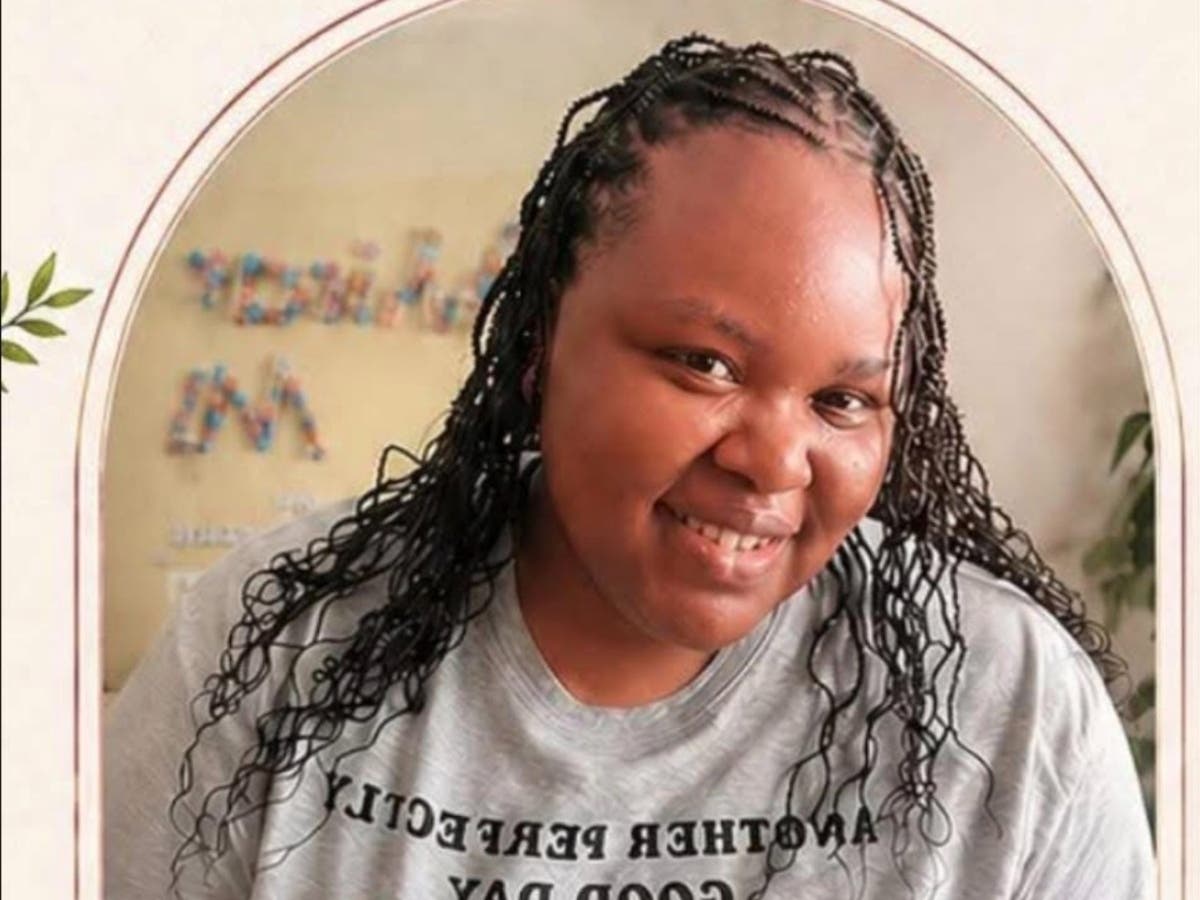
ROLLING MEADOWS, IL — The family of a 33-year-old woman with developmental disabilities has filed a wrongful death lawsuit alleging a Rolling Meadows group home failed to follow her care plan, leading to her choking death in April.
The lawsuit, filed Monday in Cook County Circuit Court by Levin & Perconti and civil rights attorney Ben Crump, names Clearbrook and employee Joyce Ezunu as defendants.
Clearbrook operates a Community Integrated Living Arrangement, or CILA, group home in Rolling Meadows. CILAs are state-licensed residential settings that provide services for adults with developmental disabilities in group homes, family homes or apartments serving eight or fewer unrelated residents.
Find out what's happening in Arlington Heightsfor free with the latest updates from Patch.
Patch has reached out to Clearbrook for comment.
The complaint alleges Emily Kasanga died April 25 after she was left unattended while eating, despite having a diagnosed swallowing disorder and a care plan requiring close supervision during meals.
Find out what's happening in Arlington Heightsfor free with the latest updates from Patch.
Kasanga had lived at the Clearbrook group home for more than a decade. According to the lawsuit, she had autism, a moderate intellectual disability, intermittent explosive disorder and a seizure disorder. The complaint states she required 24-hour supervision and had documented eating and swallowing impairments that placed her at high risk of choking.
Her individualized care plan required staff to supervise her while eating, provide verbal prompts and cues, and cut her food into small pieces to reduce the risk of choking, according to the lawsuit.
The lawsuit alleges those safeguards were not followed the day Kasanga died. It claims her food was not cut into small pieces and that she was allowed to eat alone while the home’s only staff member attended to other duties elsewhere in the residence.
When the staff member returned, Kasanga was choking, according to the complaint. The lawsuit alleges the employee called 911 and directed other disabled residents, who had no medical training or expertise, to perform the Heimlich maneuver before emergency responders arrived.
Despite resuscitation efforts, Kasanga was pronounced dead at the scene, according to the lawsuit.
“Emily had been a resident at the Clearbrook group home for 12 years. Staff members were well aware of her disabilities and her care plan,” said Margaret Battersby Black, managing partner at Levin & Perconti and the family’s attorney. “Clearbrook told the State of Illinois it would implement her care plan, but on April 25 they failed to do so, and her family wants to know why. They also want to know why only one staff member was at the home that day when two were required.”
Battersby Black said the family also has questions about the response to Kasanga’s choking emergency and whether previous choking incidents had occurred because of inadequate or negligent care.
Family members said Kasanga’s 19-year-old brother arrived at the group home the day she died to pick her up for a planned family visit and saw emergency vehicles outside. He was then told his sister was dead, several hours after she had died, according to the family.
The family alleges no one from Clearbrook contacted them during that time to tell them Kasanga had died.
Kasanga died nine days after celebrating her 33rd birthday and was still wearing a birthday sash her family had given her when she choked, according to the family.
“We are a very close family, and we are devastated,” Kasanga’s sister, Ashley Kasanga, said. “We are filing this lawsuit because we want to warn other families about what can happen in these CILA homes. We kept a close eye on Emily and communicated constantly with Clearbrook, yet this still happened.”
Ashley Kasanga said the family also wants the state to do more to supervise CILA homes.
“Our sister had trouble communicating and needed protection as do so many of the CILA residents who are very at risk due to their disabilities,” she said.
Ashley Kasanga said her family relied on the group home because Emily required around-the-clock care, but remained closely involved in her life, bringing her home on weekends and during vacations.
Family members said they had previously raised concerns with Clearbrook staff about Emily’s care and filed a complaint with the Illinois Office of the Inspector General, which investigates allegations of abuse and neglect involving adults with disabilities. They said those concerns were never addressed.
“This family did everything they could to protect Emily, yet she still died a preventable death,” Battersby Black said. “Unfortunately, allegations of abuse and neglect in Illinois CILA homes continue to increase. We hope this lawsuit leads to greater accountability and better protections for residents.”
In 2025, the U.S. Department of Justice announced an investigation into Illinois’ system of community-based services for adults with developmental disabilities, including Community Integrated Living Arrangements.
Get more local news delivered straight to your inbox. Sign up for free Patch newsletters and alerts.