Community Corner
After 100 Bodies Found Piled At Chicago Heights Crematory, Tighter Regulations, Heavier Penalties Follow
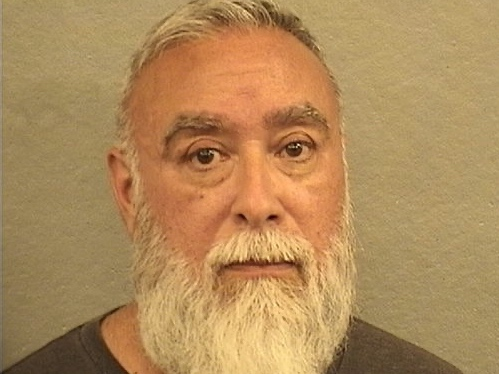
State Rep. Anthony DeLuca led a push for stronger legislation around regulating crematories in the state of Illinois.


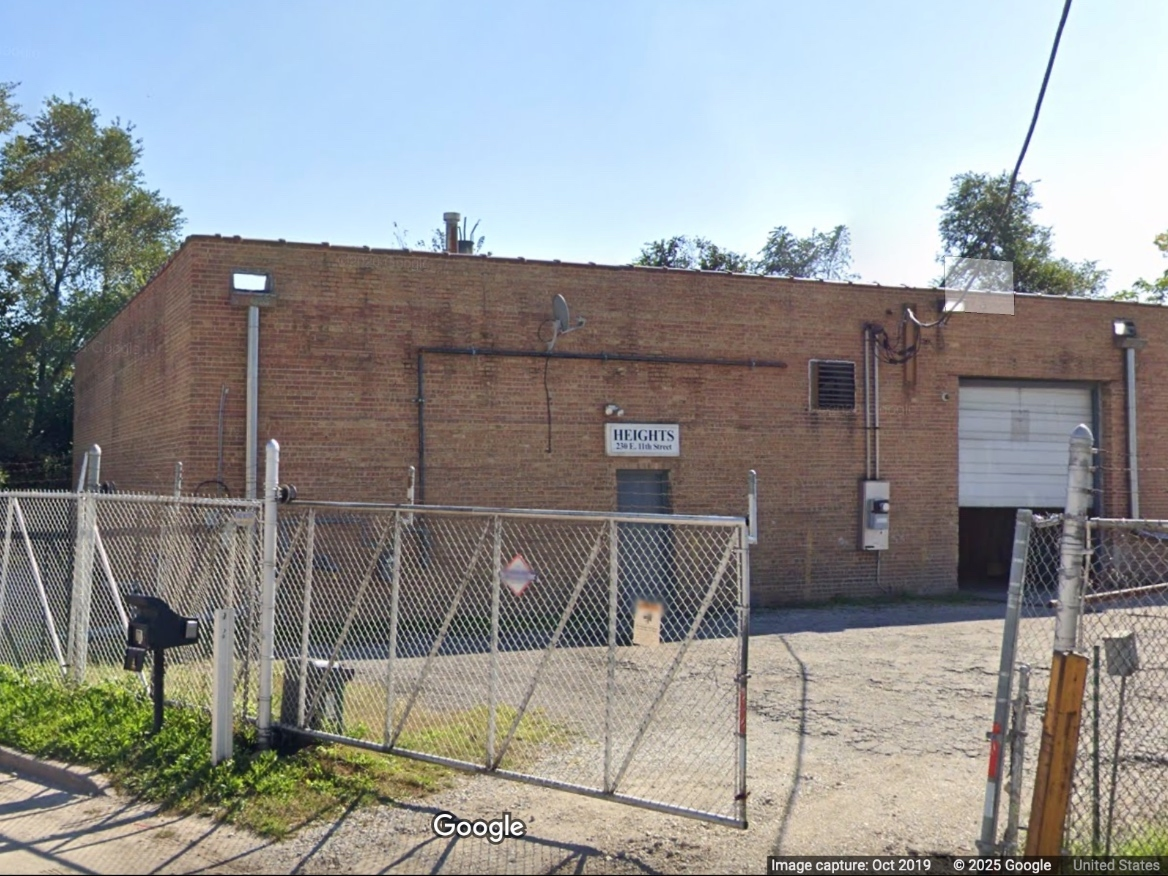
SPRINGFIELD, IL — More than a year after 100 bodies were found piled on top of each other at a Chicago Heights cremation facility, the state has formally tightened laws and regulations on all similar facilities.
Spearheaded by state Rep. Anthony DeLuca (D-Chicago Heights), new legislation will strengthen the comptroller’s investigative ability over crematories, while also clarifying standards for storage and cremation to restore dignity and confidence for families, DeLuca's office said in a release Tuesday.
“Few things are as important as the dignified handling of the remains of our loved ones, and I want affected families to know that we are thinking of them,” DeLuca said. “They should have never had to go through that experience. I want to thank Comptroller Susana Mendoza and local advocates for their work to help secure these new safeguards, this is needed legislation that will better empower the state to stop bad actors.”
Find out what's happening in Chicago Heightsfor free with the latest updates from Patch.
DeLuca led the push for the legislation following the Illinois Office of Comptroller's closure of the Heights Crematory last year.
In February 2025, the IOC was notified that Heights had bodies piled on top of each other, not in proper containers, the office said in a release. Auditors visiting the facility confirmed it was storing bodies in inoperable refrigerated trailers and coolers and/or bodies were stacked in improper containers.
Find out what's happening in Chicago Heightsfor free with the latest updates from Patch.
"Our staff confronted crematory personnel with evidence of an undisclosed refrigerated trailer on the property. Heights management admitted the existence of an additional trailer they had concealed containing 19 bodies from Indiana," the release read.
Comptroller Susana Mendoza immediately shut down the facility and worked with staff to properly store bodies and complete the required paperwork so that the bodies could be cremated.
Part of the problem had been funeral directors dropping off bodies not in proper containers and without all necessary documentation, leading to delays in cremations, Mendoza's office said at the time. But it said the crematory had a responsibility to demand all proper paperwork from the funeral directors and that bodies are delivered in proper containers, which Heights did not always do.
“I am appalled, disgusted, and deeply saddened by the disrespect Heights Crematory showed to the remains of the deceased, and we are working swiftly to strip the facility of its license,” Comptroller Mendoza said at the time. “No family should have to wonder what happened to their loved one when they pass or learn a deceased family or friend wasn’t treated with the utmost respect and dignity they deserve.”.
DeLuca’s House Bill 4695 updates state law regarding crematories by expanding the comptroller’s regulatory authority, increasing standards and codifying best practices. The measure better enables the comptroller to investigate crematories and take immediate action, granting new disciplinary options that include increased fines in addition to license suspension and revocation.
The proposal clarifies action that should be taken with remains when a crematory’s license is suspended, ensuring county coroners or medical examiners take prompt possession of remains. Crematories are clearly directed to take all reasonable steps to cremate remains within 30 days of receiving them; otherwise, notice and explanation will be required for the comptroller and relevant coroner or medical examiner.
DeLuca’s measure explicitly clarifies that cremated remains must be stored in a place free from exposure to the elements and be responsibly maintained.
Gov. JB Pritzker signed DeLuca’s measure into law Friday after it received bipartisan support in the General Assembly.
The measure takes effect Jan. 1, 2027.
Get more local news delivered straight to your inbox. Sign up for free Patch newsletters and alerts.