Kalispell, MT|Local Classified|Other|

Personalized Email Marketing with AI: From Batch-and-Blast to Precision Communication | Optifi AI
Email marketing remains a widely used digital channel for businesses, but audience expectations have shifted. Many consumers are less responsive to broad, one-size-fits-all campaigns and are more likely to engage with content that feels relevant and timely.
As a result, personalized email marketing— particularly when supported by artificial intelligence (AI) — is becoming an increasingly important part of modern marketing strategies.
The Shift Toward Personalization
Inbox competition continues to grow, with many users receiving a high volume of emails each day. In this environment, generic messaging is more likely to be overlooked.
Personalized email strategies aim to address this challenge by aligning content with a recipient’s interests, behaviors, or stage in the customer journey. When done effectively, this approach can help improve engagement metrics such as open rates and click-through rates.
What AI Brings to Email Marketing
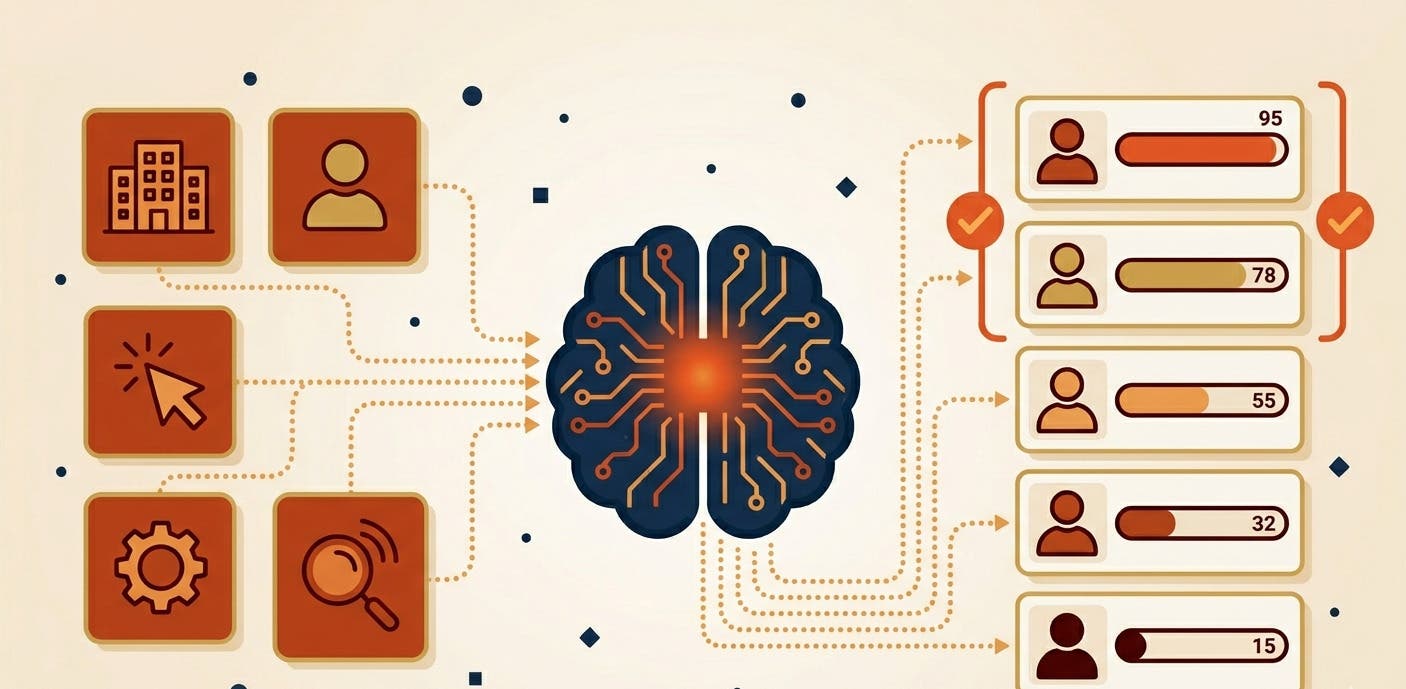
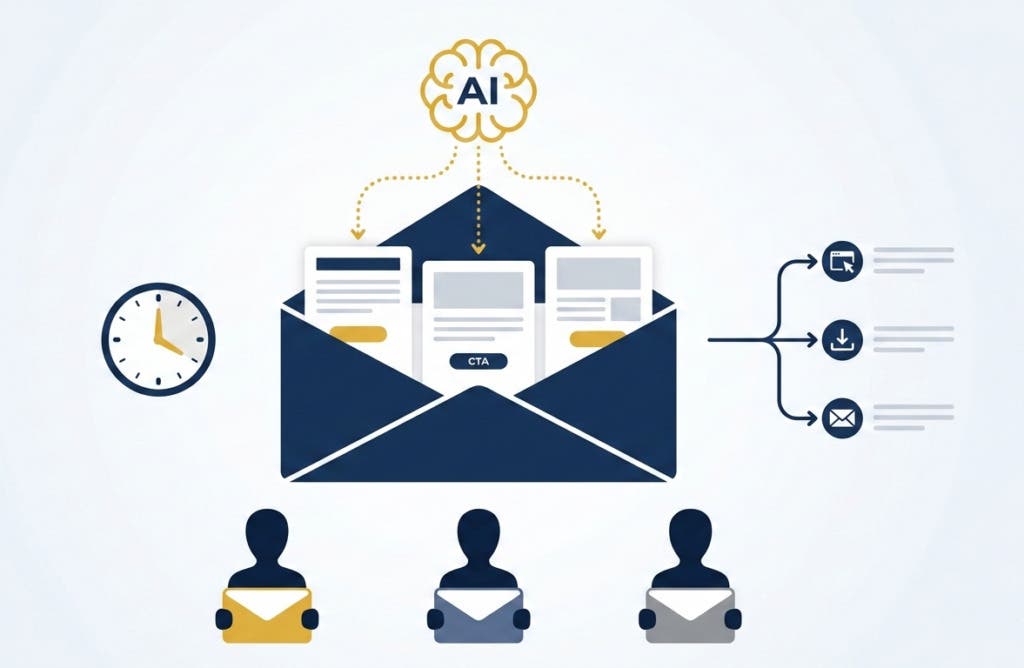
Artificial intelligence introduces new ways to manage and optimize email campaigns. Instead of relying entirely on manual segmentation and scheduling, AI tools can analyze data and automate certain processes.
Common capabilities include:
- Analyzing customer behavior to identify patterns and preferences
- Updating audience segments based on engagement activity
- Assisting with subject lines and email content generation
- Optimizing send times based on user behavior
- Continuously refining campaigns through data analysis
These features can help streamline workflows while supporting more relevant messaging.
Key Features to Consider
Businesses exploring AI-driven email marketing often evaluate tools based on the following features:
- Dynamic Segmentation: Automatically adjusts audience groups over time
- Predictive Personalization: Uses data to anticipate user interests
- Automated Content Assistance: Helps generate and refine messaging
- Send-Time Optimization: Schedules emails based on engagement patterns
- Performance Tracking: Monitors results and identifies trends
These elements can contribute to more adaptive and data-informed campaigns.
Common Applications
AI-supported email marketing is used across a variety of scenarios, including:
- Lead nurturing: Sharing relevant content with prospective customers
- E-commerce messaging: Recommending products based on browsing or purchase history
- Re-engagement efforts: Reaching out to inactive subscribers
- Onboarding emails: Providing information to new users or customers
- Behavior-triggered messaging: Sending emails based on specific actions
These applications illustrate how email campaigns can become more responsive to user activity.
Why It Matters
For many organizations, AI-driven personalization offers a way to balance efficiency with relevance. Automation can reduce manual workload, while data insights can support more informed decision-making.
As email marketing continues to evolve, personalization strategies are likely to play a larger role in how businesses communicate with their audiences.
Learn More
To explore this topic in more detail, visit:
https://optifi.ai/personalized-email-marketing-with-ai/