Community Corner
Cape May County Zoo Mourns Loss of Snow Leopards
The zoo said Maliha died in April and Bataar was euthanized in early June after health problems.


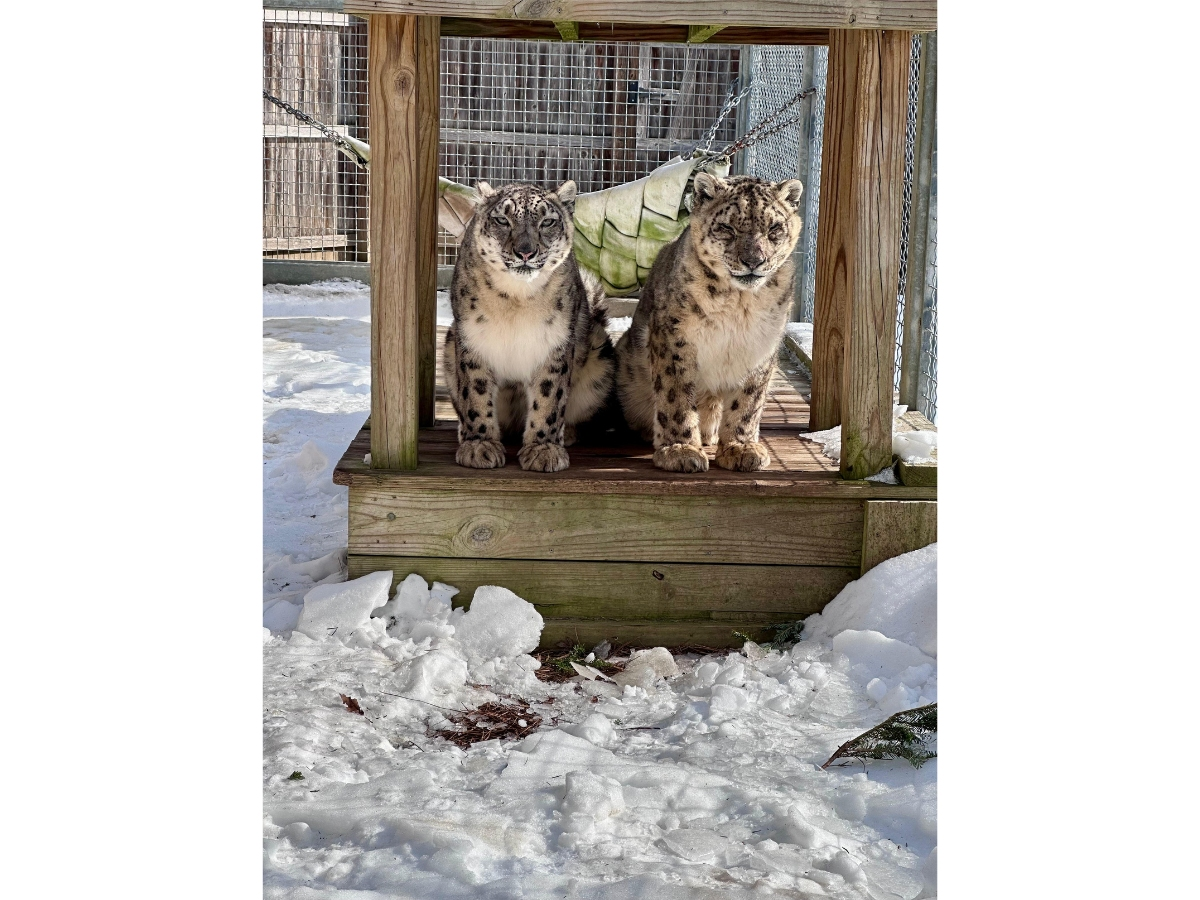
CAPE MAY COURT HOUSE, NJ — Cape May County Park and Zoo is mourning the loss of its two snow leopards, Maliha and Bataar, after both animals died this spring, according to the zoo.
Maliha was euthanized in April due to an unexpected medical event, the zoo said. She was 13 years old. Bataar was euthanized in early June after a year of treatment for age-related health conditions, according to the zoo. At almost 18 years old, he was one of the oldest snow leopards in the country.
The pair had become a favorite for visitors at the Cape May County zoo, where they were often seen sunbathing together on their outdoor platform. The zoo said they were matched as a breeding pair by the Snow Leopard Species Survival Program, but they never produced cubs.
Find out what's happening in Ocean Cityfor free with the latest updates from Patch.
Bataar was the first snow leopard housed in the zoo's new building when it opened in 2015, according to the announcement. The zoo said he previously had cubs with his first mate, Tysa, before she was transferred to another facility on a breeding recommendation. Maliha joined Bataar in 2021, and the two remained together for the rest of their lives.
“Maliha and Bataar were beloved members of our zoo family, and they brought joy to countless visitors over the years,” said Commissioner Vice-Director Andrew Bulakowski, liaison to the Cape May County Park and Zoo. “Our dedicated animal care and veterinary staff gave them exceptional care throughout their lives, and especially in their final months. We share in the community’s sadness at their loss.”
Find out what's happening in Ocean Cityfor free with the latest updates from Patch.
The zoo said it is now working with the Snow Leopard Species Survival Plan Program Leader at Blank Park Zoo to coordinate the future arrival of a male and female snow leopard. According to the announcement, the new animals are intended to support the program's conservation breeding efforts and continue the Cape May County Zoo's commitment to long-term preservation of the species.
Get more local news delivered straight to your inbox. Sign up for free Patch newsletters and alerts.