Health & Fitness
Parasite Infections In NJ Rise As Cases Climb Over 1,600 Nationally
The Department of Health says New Jersey is seeing normal seasonal cyclosporiasis activity, not clusters, as of July 10.


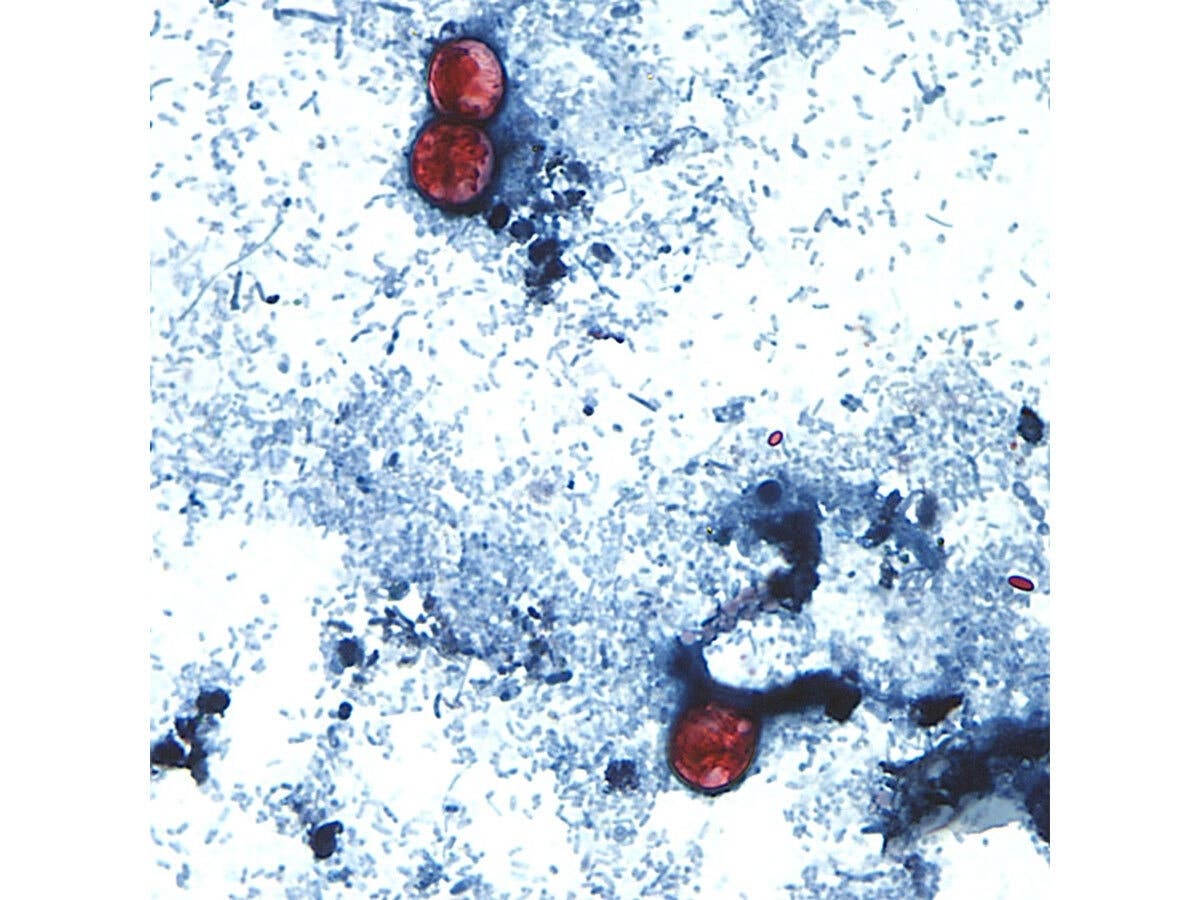
New Jersey has not confirmed any cyclosporiasis clusters or outbreaks this summer, even as the Centers for Disease Control and Prevention reports the diarrhea-causing parasite has sickened more than 1,600 people nationwide.
In a Cyclosporiasis Surveillance Update dated July 10, the New Jersey Department of Health said the state has been experiencing "normal seasonal circulation without known clusters or outbreaks" to date, despite clusters detected in several other states, particularly in the Midwest.
The department said it continues to work with local health departments and federal partners to investigate cases and monitor for potential illness clusters.
Find out what's happening in South Brunswickfor free with the latest updates from Patch.
As of July 13, the CDC reported 1,645 cases of cyclosporiasis across 34 states, with 141 hospitalizations and no deaths.
In New Jersey specifically, the CDC has reported between 31 and 80 cases as of July 9. The state health department does not publish a specific case count on its public pages, so an exact current figure was not available.
Find out what's happening in South Brunswickfor free with the latest updates from Patch.
For comparison, New Jersey typically records roughly 180 cyclosporiasis cases in an average year, according to the NJDOH's own disease guidance.
Cyclosporiasis is an intestinal illness caused by the microscopic parasite Cyclospora cayetanensis. People are almost always infected by consuming contaminated food, particularly fresh produce, or water, according to the NJDOH. Symptoms commonly include frequent watery stools, loss of appetite, weight loss, bloating, stomach cramps, nausea, vomiting, body aches, low-grade fever and prolonged fatigue.
Case counts typically rise during the spring and summer months, and the cyclosporiasis season is considered to run from May 1 through Aug. 31, both the CDC and NJDOH said. Local, state and federal health authorities are investigating several clusters of cases spanning more than one state, according to the CDC, though a specific source has not been identified.
The NJDOH is directing clinicians to consider cyclosporiasis as a diagnosis when a patient's clinical presentation, history or travel suggests possible infection. All confirmed cases must be reported to the appropriate local health department by the next business day, and local investigators are required to interview cases using the CDC's Cyclosporiasis National Hypothesis Generating Questionnaire to help identify shared exposures.
Residents with questions can contact the New Jersey Department of Health's Communicable Disease Service at 609-826-5964 during business hours, or 609-392-2020 after hours.
Have a correction or news tip? Email sarah.salvadore@patch.com
Get more local news delivered straight to your inbox. Sign up for free Patch newsletters and alerts.