Albany, NY|Local Classified|For Sale|

Cattle Feed Pellet Machine: Engineering Nutrition for Maximum Herd Performance
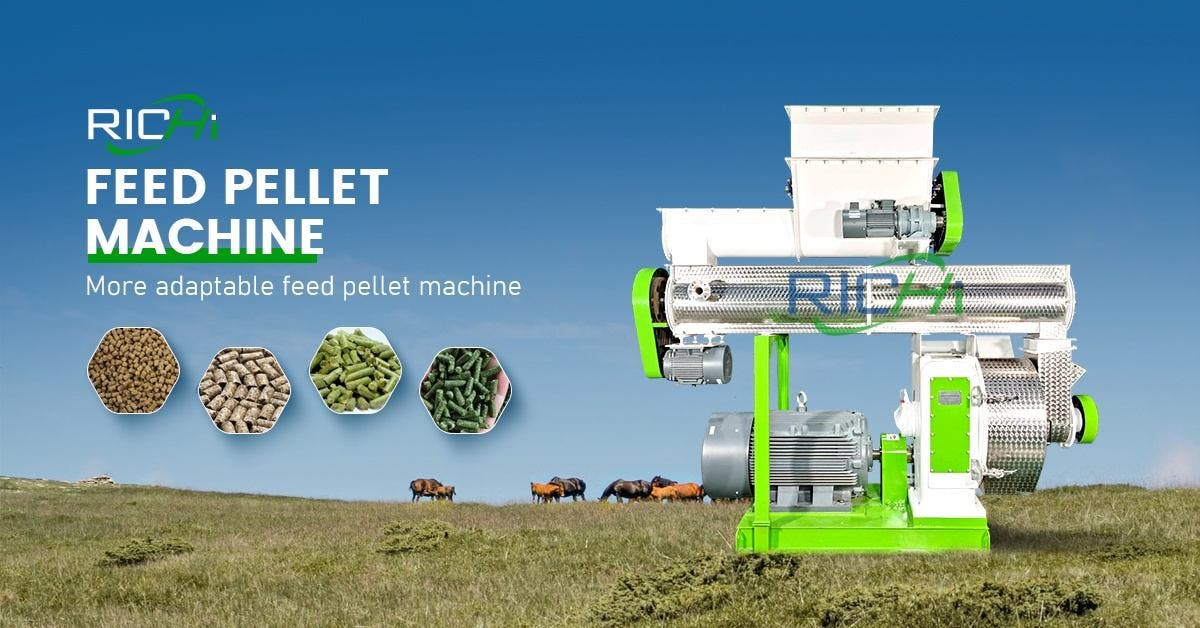
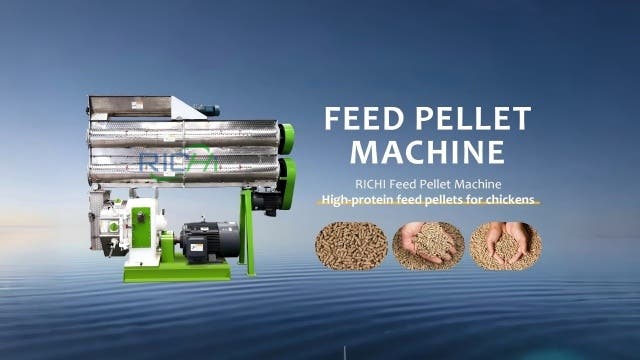
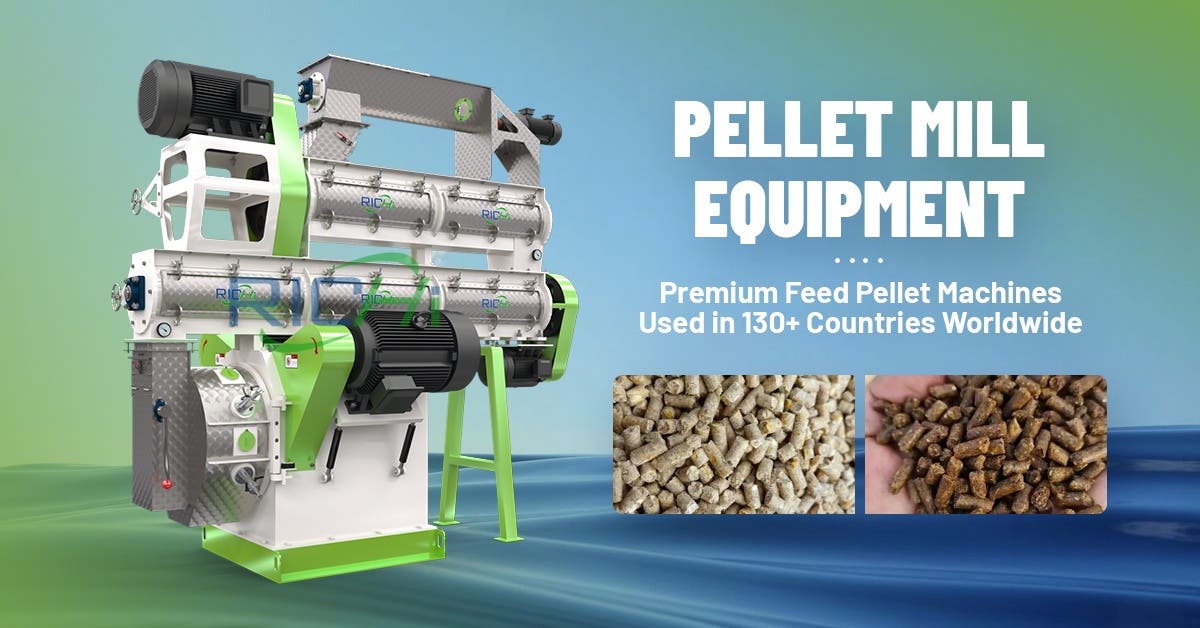
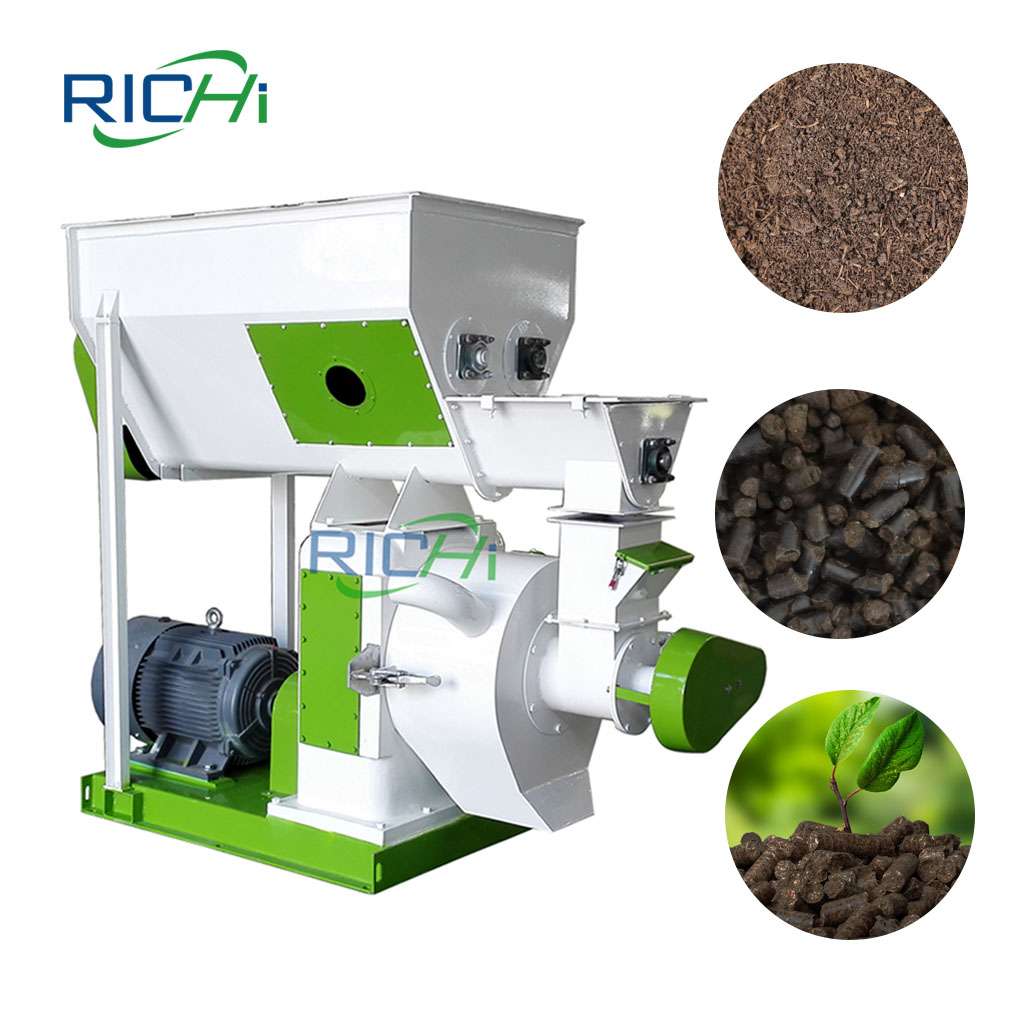
Investing in a cattle feed pellet machine represents one of the most impactful decisions a livestock operation can make to improve feed efficiency and animal productivity. These precision-engineered systems convert loose, dusty feed ingredients into dense, durable pellets that cattle consume readily and completely. The transformation from powder to pellet isn't merely cosmetic—it fundamentally alters how animals interact with their nutrition and how farmers manage their feeding programs.
The mechanical process begins when properly formulated feed mixtures enter the conditioning chamber. Here, controlled steam application raises material temperature to 80-85°C while increasing moisture content to 16-18%. This conditioning serves dual purposes: it activates natural starches that act as binders, and it gelatinizes carbohydrates to improve digestibility. The treated material then moves to the pelletizing chamber where rotating rollers force it through a hardened steel die. The intense pressure—often exceeding 100 megapascals—generates significant heat through friction, further modifying feed structure and reducing pathogen loads.
What makes this technology particularly valuable is its adaptability across species. The foundational design of a cattle feed pellet making machine scales effectively to serve the broader livestock feed pellet machine market. Dairy operations processing high-fiber rations, feedlots preparing energy-dense finishing diets, and backgrounding facilities developing growing rations all utilize similar core equipment with customized configurations. Die specifications vary—cattle typically require 6-10mm diameter pellets—while conditioning parameters adjust for different formulation moisture requirements.
Smaller ruminant producers have discovered equally compelling benefits. A sheep feed pellet machine addresses unique challenges in ovine nutrition management. Sheep's tendency to sort feed components leads to inconsistent nutrient intake when offered loose mixtures. Pelleted feed eliminates this selectivity, ensuring each animal receives the complete nutritional package. The physical form also reduces feed wastage dramatically; research demonstrates that sheep fed pelleted rations utilize 20-25% more of the offered feed compared to traditional loose hay and grain systems. For producers managing large flocks, these efficiency gains translate directly to improved margins.
Caprine operations face similar feeding behavior challenges, making the goat feed pellet making machine an equally valuable investment. Goats are notoriously picky eaters, often refusing ingredients they find unpalatable when presented in loose form. The pelleting process masks individual ingredient characteristics while delivering balanced nutrition in every bite. This proves especially important for dairy goat operations where consistent nutrient intake directly impacts milk production stability. Additionally, the reduced dust associated with pelleted feed improves respiratory health in confined housing systems common in modern goat farming.
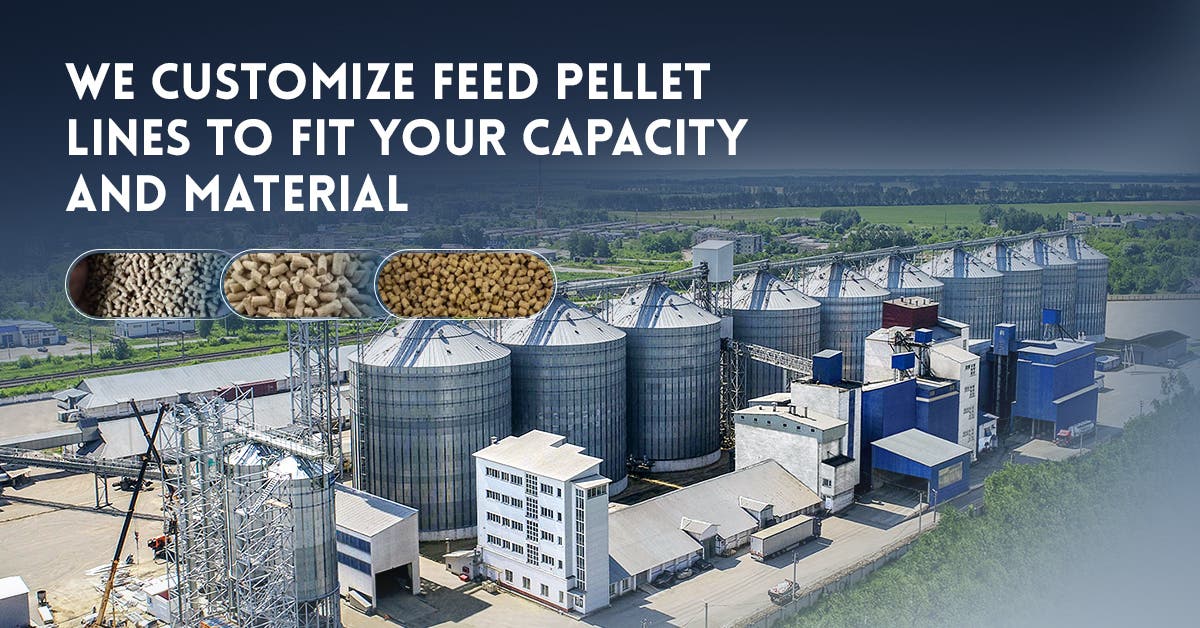
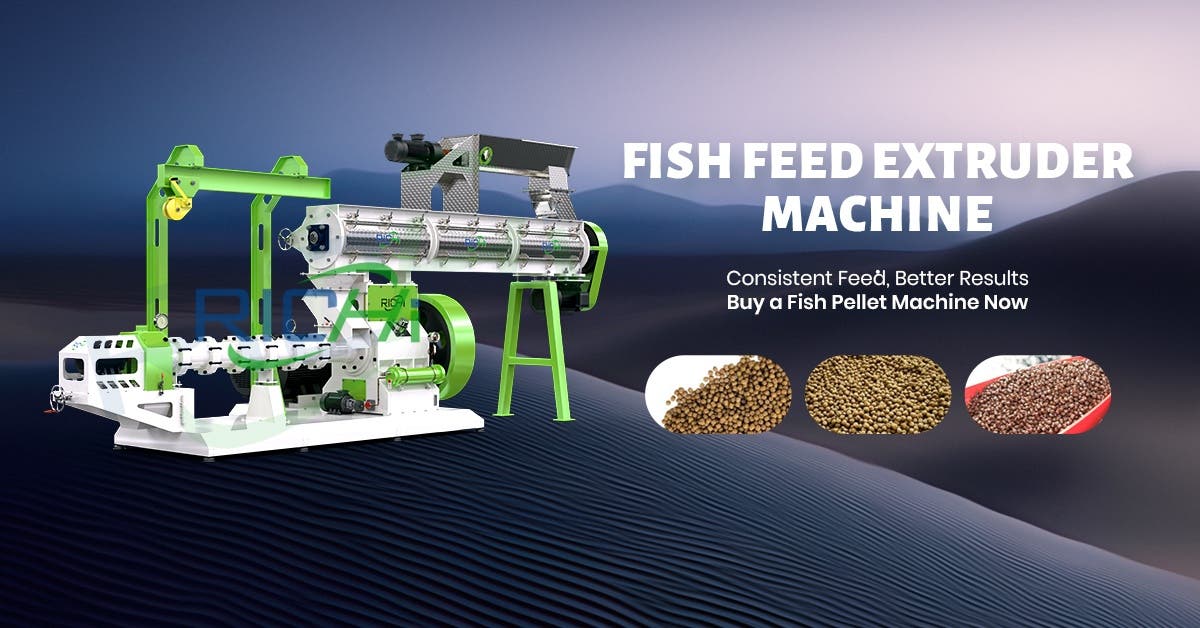
Forward-thinking agricultural enterprises increasingly view individual machines as components within integrated systems. Constructing a complete animal feed production line enables operations to control quality from raw material receiving through finished product packaging. Such integration eliminates contamination risks associated with multiple handling steps while ensuring consistent product characteristics batch after batch. Automated controls monitor critical parameters—conditioning temperature, pellet durability index, moisture content—adjusting operations in real-time to maintain specifications.