Choosing the right extrusion technology is crucial for fish feed production. The debate between dry and wet extrusion often leads producers to evaluate performance, cost, and product quality. In most cases, the wet type fish extruder stands out as the preferred option for large-scale operations.
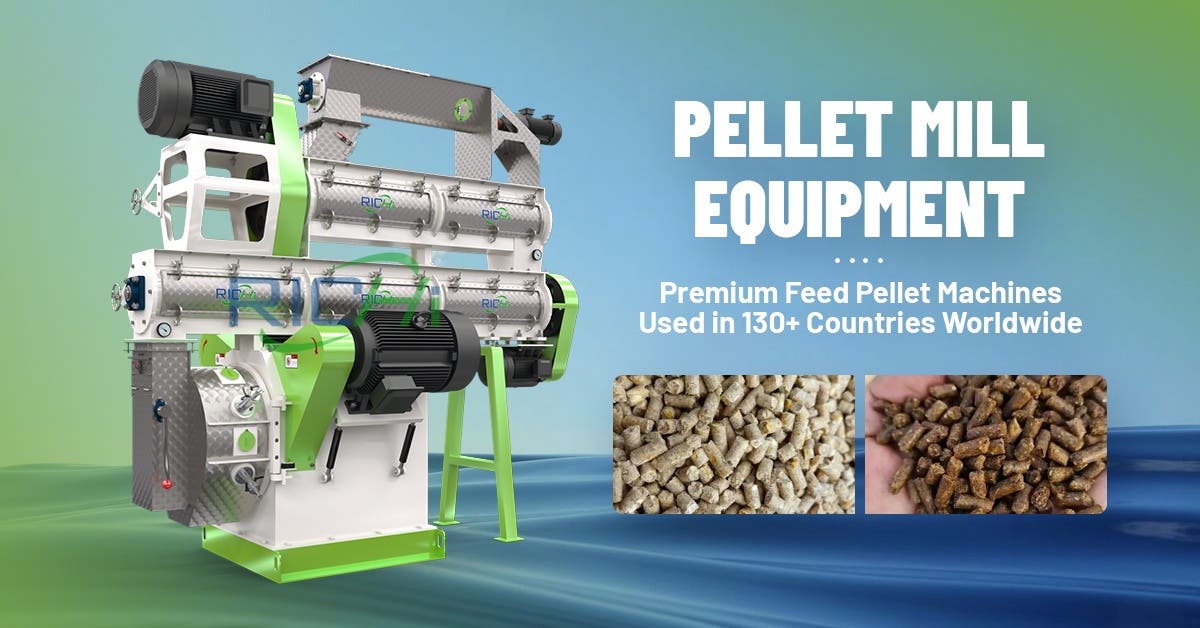
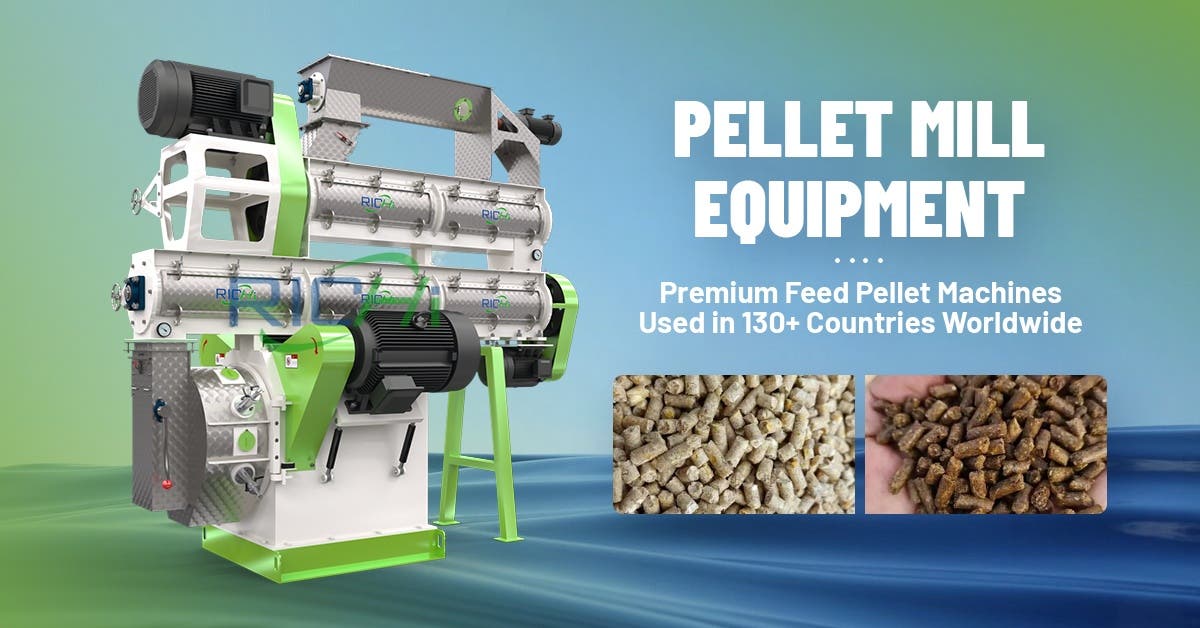
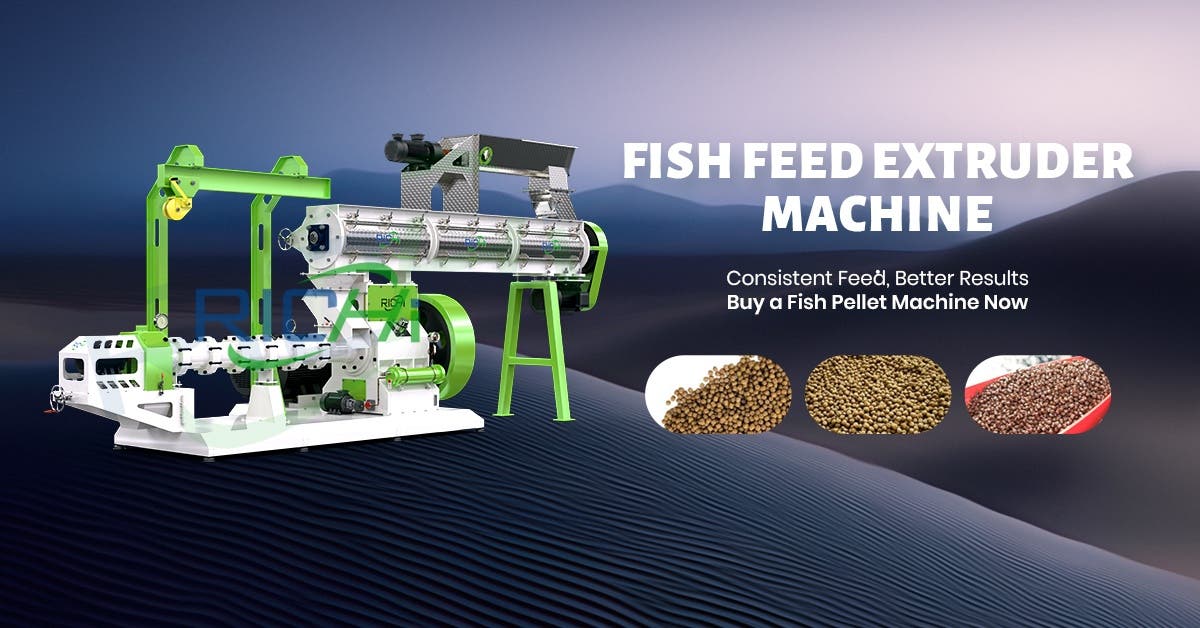
A fish feed extruder machine functions by applying heat and pressure to raw materials, forming pellets with specific shapes and densities. The main difference between dry and wet extrusion lies in the conditioning process. A wet type fish extruder uses steam to pre-cook materials, while dry extruders rely solely on mechanical heat.
In a modern fish feed production line, wet extrusion offers several advantages. First, it improves starch gelatinization, making feed easier for fish to digest. Second, it enhances pellet durability, reducing breakage during transportation and storage. Third, it allows for higher production capacity.
For producers operating a floating fish feed plant, these benefits are critical. Floating feed must maintain its structure in water for extended periods, and wet extrusion ensures better water stability. When combined with a fish feed pellet making machine, producers can create pellets tailored to different fish species.
Another advantage of the wet type fish extruder is energy efficiency. Although it requires a boiler for steam generation, the overall energy consumption per ton of feed is often lower due to improved processing efficiency.
Cost is another consideration. While wet extrusion systems have higher initial investment costs, they offer better long-term returns through higher productivity and improved feed quality. This makes them ideal for commercial-scale fish feed production line setups.
Automation and control are also more advanced in wet extrusion systems. Operators can precisely adjust parameters, ensuring consistent product quality across batches.
In conclusion, while dry extruders may be suitable for small-scale operations, the wet type fish extruder is the superior choice for large-scale floating fish feed plant applications. Combined with a high-quality fish feed extruder machine and a reliable fish feed pellet making machine, it delivers better performance, higher efficiency, and greater profitability.