Neighbor News
Queens Homeowners: The State Might Pay You $175K to Build a Backyard Apartment
A new "Plus One" grant program is turning basements and "granny flats" into an affordable housing solution,
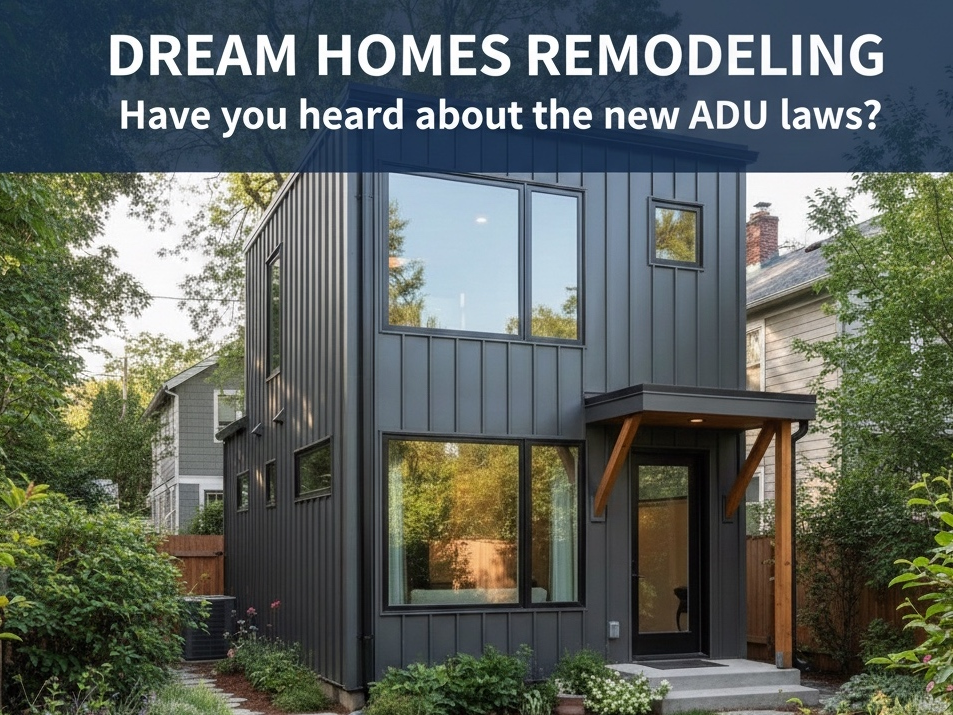

Click to learn more QUEENS, N.Y. — For years, the concept of the "granny flat"—a small, self-contained apartment on a single-family lot—was a zoning impossibility for most New York City homeowners.
But as the city grapples with a historic housing shortage, a new state initiative is attempting to turn backyards and basements into a solution, offering up to $175,000 to homeowners willing to build them.
The initiative, known as the NYS Plus One ADU Program, represents a significant shift in New York’s approach to urban density. By subsidizing the construction of Accessory Dwelling Units (ADUs), the state aims to simultaneously aid middle-class homeowners struggling with mortgages and provide affordable rental inventory for long-term tenants.
Find out what's happening in Queensfor free with the latest updates from Patch.
However, navigating the transition from a single-family home to a multi-unit property is fraught with technical hurdles.
"The financial incentives are substantial, but the regulatory path is narrow," says Alex DiPietrantonio, owner of Dream Homes Remodeling, a Queens-based construction firm specializing in residential conversions. "This isn't just about putting up drywall in a basement. It requires strict adherence to new safety codes that many existing homes simply don't meet yet."
Find out what's happening in Queensfor free with the latest updates from Patch.
Bridging the Gap With Forgivable Loans
The program addresses one of the biggest barriers to ADU adoption: cost. While the recently adopted "City of Yes" zoning reforms have relaxed the rules, the price of construction remains high.
Under the Plus One program, eligible homeowners within the five boroughs can apply for up to $175,000 in grants, while those in surrounding counties are eligible for up to $125,000.
Crucially, DiPietrantonio notes, these funds are structured as forgivable loans. If the homeowner retains the property as their primary residence and adheres to program guidelines for a period of ten years, the loan is completely forgiven.
"It effectively turns a construction project into an equity builder," DiPietrantonio explains. "But it covers more than just the build. It also covers 'soft costs' like architectural plans and permits, which are often the hidden expenses that kill these projects before they break ground."
The "Appendix Q" Factor
While the funding is generous, the construction standards are rigorous. The program requires strict compliance with safety protocols outlined in the New York City Building Code—specifically Appendix Q and Appendix U.
These sections dictate everything from ceiling heights (basements generally require a minimum of 7 feet) to specialized fire egress requirements and sprinkler systems. According to industry experts, these codes are designed to prevent the proliferation of unsafe, illegal basement apartments that have plagued the city for decades.
"The state isn't looking to fund substandard housing," says DiPietrantonio. "They are looking for fully code-compliant, safe living spaces. That means homeowners need to be looking at things like fire separation and proper egress windows right from the design phase."
Who Qualifies?
The program is specifically targeted at working families rather than large-scale developers. Here are the basic eligibility guidelines:
• Income Caps: Eligibility is generally targeted at households earning up to 165% of the Area Median Income (AMI).
• Owner Occupancy: The property must be an existing one- or two-family home, and the owner must live on-site (either in the main house or the ADU).
• No Airbnb: The program strictly prohibits the use of these new units for short-term rentals.
"The goal is long-term housing stability," DiPietrantonio adds. "Whether that’s for an aging parent, an adult child returning home, or a long-term tenant, the unit has to serve the community, not the tourism industry."
For eligible Queens homeowners, this represents a rare opportunity: the state is finally willing to pay you to build in your own backyard.