Community Corner
How Dallas–Fort Worth Seniors Can Stay Independent Without Driving
DART, Trinity Metro, senior programs and medical ride services can help older adults keep getting to appointments, errands and friends.
This is a paid post contributed by a Patch Community Partner. The views expressed in this post are the author's own, and the information presented has not been verified by Patch.
For many older adults, handing over the car keys is a difficult decision. Driving has probably been part of their daily routine for decades. Suddenly, something as ordinary as picking up groceries or visiting a friend requires a bit more thought.
The Dallas–Fort Worth area presents its own difficulties. Neighborhoods are spread out, medical offices aren't always close to residential areas, and walking to the nearest store isn't necessarily practical.
Still, giving up driving doesn't mean giving up control over everyday life. DART, Trinity Metro, local senior programs, and specialized transportation providers offer ways to get around. The trick is figuring out which services work for particular trips and having a backup when plans change.
Why Transportation Matters for Senior Independence
Think about a typical week. There might be a pharmacy pickup on Monday, a doctor's appointment on Wednesday, and lunch with friends over the weekend. When someone drives, these activities rarely require much coordination.
Without a car, even a short errand can become complicated.
The problem is particularly noticeable for seniors with recurring medical appointments. Someone attending dialysis several times a week can't rely entirely on relatives who have jobs and other commitments. Physical therapy appointments bring similar scheduling concerns.
Then there's the social side of things, which can be easier to overlook. A person might live only a few miles from friends but rarely see them because arranging transportation feels like too much trouble. Eventually, they may start declining invitations.
Having dependable transportation helps older adults continue making their own plans rather than organizing every outing around someone else's availability.
Fortunately, residents of Dallas and Fort Worth have more than one way to handle these trips.
Public Transportation Options in Dallas and Fort Worth
Public transit can be a practical choice for older adults who are comfortable traveling independently. Dallas and Fort Worth have separate transit networks, and each offers services beyond conventional bus routes.
Dallas Area Rapid Transit (DART)
Dallas Area Rapid Transit, or DART, operates buses and light rail serving Dallas and several surrounding communities.
For someone living near a convenient route, DART may be useful for grocery shopping, library visits, or getting to medical appointments. Eligible older passengers can also explore reduced-fare options.
One service worth checking is DART GoLink. It provides on-demand rides within designated zones, making it an alternative to fixed-route buses for certain local journeys.
GoLink has geographic limits, though. A trip that works in one neighborhood might not be available in another. Checking the coverage area before relying on it is essential.
DART also offers paratransit for qualifying passengers whose disabilities prevent them from independently using regular transit. Being a senior doesn't automatically establish eligibility; applicants must meet the program's requirements.
Trinity Metro in Fort Worth
Fort Worth's Trinity Metro operates buses and rail services, along with transportation options for riders who need additional assistance.
Its On-Demand Paratransit service provides door-to-door rides within a defined service area for passengers who qualify because of a disability.
Drivers can help riders board and exit vehicles. Before using the program, however, passengers need to complete the application process and receive approval.
If an older parent hasn't used public transit in years, riding together the first time can be useful. Figure out the boarding location, payment process, and return journey while someone familiar is there to help. That small bit of preparation can make independent trips feel more manageable later.
Arrange Suitable Transportation for Medical Visits
A ride to the doctor isn't always the same as a ride to the grocery store.
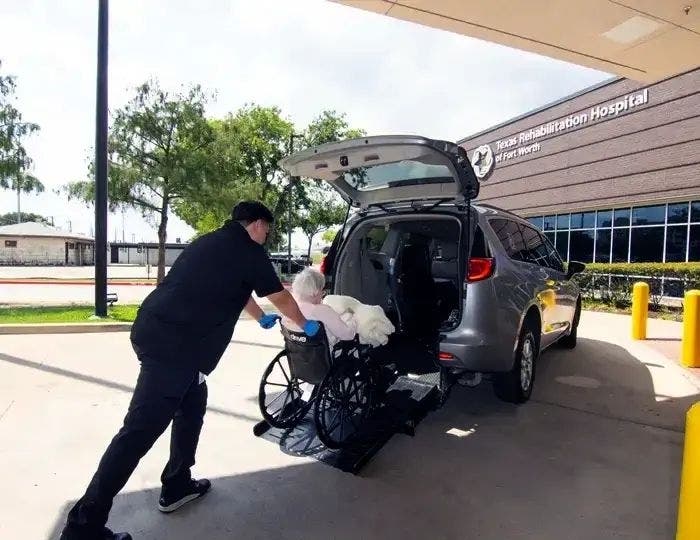
Some older adults can comfortably use a taxi or standard rideshare service. Others need room for a wheelchair, help getting into the vehicle, or assistance reaching the entrance of a medical building.
For those passengers, non-emergency medical transportation (NEMT) may be a better fit.
NEMT providers arrange scheduled transportation for healthcare-related trips that don't require an emergency ambulance. Available vehicles and assistance differ between companies. Some providers offer wheelchair-accessible transportation, while others can accommodate passengers with additional mobility needs.
These services are commonly used for dialysis, rehabilitation visits, routine medical appointments, and hospital discharges.
Families looking for medical transportation in Dallas can explore private-pay providers such as Call The Care. The company offers wheelchair-accessible transportation and assistance for passengers who need additional support during their trips.
Before booking, explain the passenger's needs in detail. A wheelchair user, for example, should confirm that the vehicle can accommodate their particular chair. It's also worth finding out exactly where the driver will meet the passenger and how much help is provided.
Return transportation deserves attention, too. Medical appointments don't always finish on schedule, and assumptions about pickup arrangements can create problems.
Ask for the total price in advance, including any applicable fees. Some providers require private payment and don't bill Medicare, Medicaid, or commercial insurance.
Keep Up With Friends and Everyday Activities
Transportation plans often begin with medical appointments because those trips seem urgent. But a weekly coffee date or a visit to the library can matter just as much to someone's daily routine.

Older Dallas residents might enjoy an afternoon at the Dallas Arboretum. Others may prefer neighborhood classes or simply visiting a friend. In Fort Worth, community centers and local activities offer similar opportunities to get out of the house.
The difficulty isn't always finding something to do. It's finding a reasonable way to get there.
Local senior centers are worth contacting. Some can direct residents to transportation assistance, while others organize activities that are easier to attend as a group.
Sharing rides with neighbors is another possibility. If several people regularly visit the same community center, coordinating transportation may reduce costs and make attending easier.
Family arrangements can help as well, particularly when everyone knows the schedule ahead of time.
Instead of arranging rides through last-minute phone calls, families might reserve a particular afternoon for shopping or plan a regular weekend visit. That gives the older adult something predictable without having to ask for help every time.
And there's no reason every outing has to involve a family member. A mix of transportation options often works better than relying on one person.
Build a Transportation Plan Around Regular Trips
A useful transportation plan doesn't need to be complicated. It should answer two basic questions: where does someone need to go, and what's the most practical way to get there?
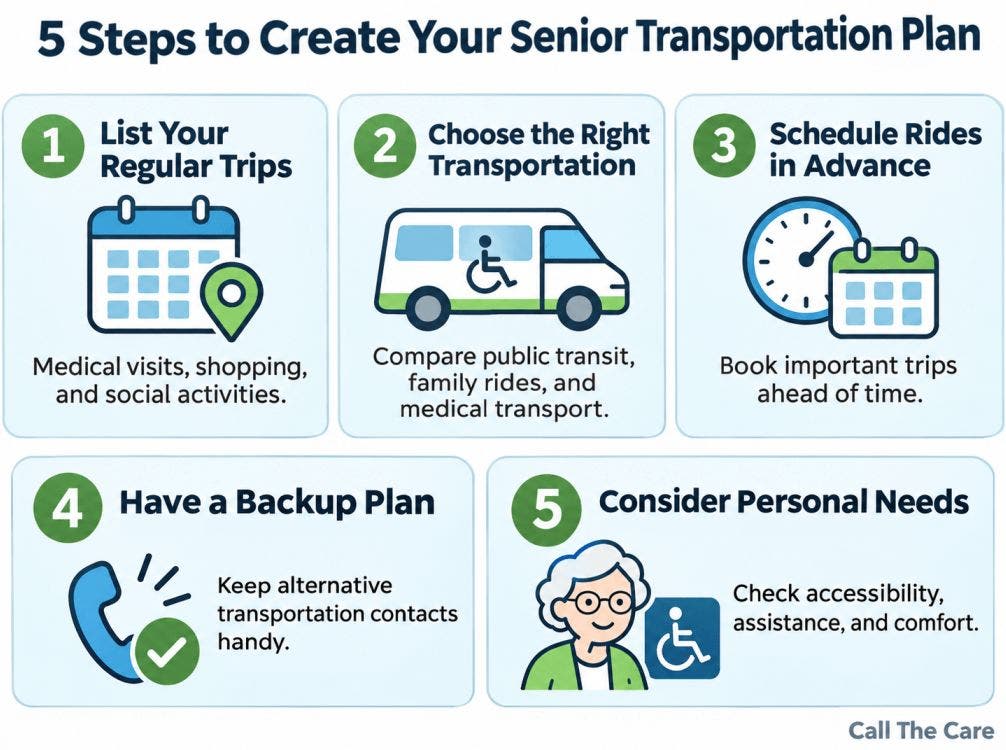
Start with your regular destinations.
Write down the places you visit most often. These might include your doctor's office, pharmacy, grocery store, community center, or favorite restaurant.
Next, consider how frequently you need to travel. Grocery shopping might happen once a week, while physical therapy could require several trips.
Match transportation to each type of trip.
Public transit may work well for everyday errands. Family rides could be convenient for weekend activities. Specialized transportation may be more appropriate when someone needs assistance with mobility equipment.
For Fort Worth residents who have recurring healthcare appointments, arranging dependable rides becomes especially important. Families can explore medical transportation services in Fort Worth when an older relative requires wheelchair-accessible transportation or additional help during medical trips.
Prepare a backup option.
Even well-organized plans can change. A family member might become unavailable, or an appointment could run longer than expected.
Keep contact details for at least two transportation options. If possible, confirm whether providers accept advance reservations, offer round trips, and accommodate last-minute schedule changes.
Include the older adult in the planning.
This part is easy to overlook.
Rather than deciding everything for a parent or relative, ask what transportation arrangements they prefer. Some seniors enjoy the flexibility of public transit, while others feel more comfortable with scheduled pickups.
The goal isn't to take control of someone's schedule. It's to help them maintain control over it.
Check Local Senior Transportation Resources
Commercial transportation services aren't the only resources available in the Dallas–Fort Worth area.
Area Agencies on Aging help older residents and their families navigate local support programs. Depending on eligibility and available services, these agencies may provide information about transportation assistance or referrals to community organizations.
Dallas County residents can contact the Dallas County Area Agency on Aging. In Fort Worth, the Tarrant County Area Agency on Aging is a starting point.
People living in neighboring counties may need a different agency. The Texas Health and Human Services Area Agencies on Aging directory can help identify the appropriate contact.
It's useful to be specific when calling.
Someone who needs a ride to dialysis three mornings a week has different requirements than a senior looking for occasional transportation to a community center. Mention any wheelchair access needs and whether assistance is required beyond the vehicle.
Ask which ZIP codes the program serves, whether there are income or disability eligibility rules, and how reservations work.
Some programs focus on healthcare transportation. Others may accommodate different activities but operate only in limited areas. A service that looks promising at first might not cover the destination you need.
Neighborhood senior centers and nonprofit groups may know about smaller transportation programs that aren't immediately obvious through a general online search.
Staying Independent After Giving Up Driving
Losing access to a car changes how everyday activities are organized, especially in a region as spread out as Dallas–Fort Worth. It doesn't have to eliminate those activities.
Some seniors may use DART or Trinity Metro for regular outings and reserve specialized rides for medical appointments. Others may depend more on community programs and scheduled family transportation.
There isn't one arrangement that fits everybody.
Start with the trips that happen most often, check which services cover those destinations, and save a second transportation option for unexpected changes. A workable routine gives older adults more freedom to choose where they go and when, even when they're no longer behind the wheel.
This post is an advertorial piece contributed by a Patch Community Partner, a local brand partner. To learn more, click here.