Politics & Government
New Virginia Housing Plan Targets Renters, Homebuyers And Rising Costs
Gov. Abigail Spanberger unveiled eight housing proposals in Prince William County aimed at lowering costs and expanding affordable housing.


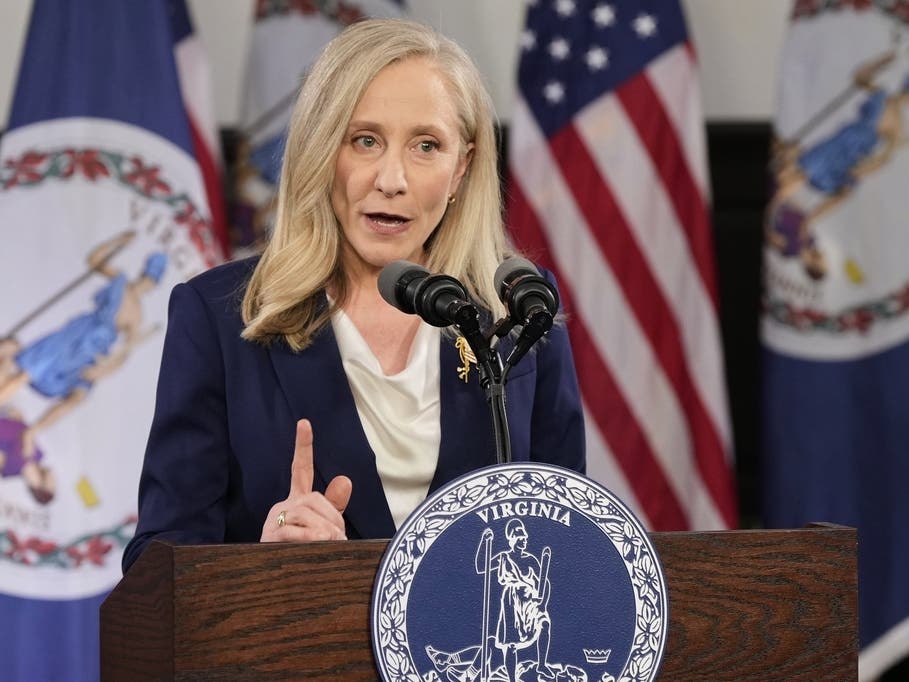
WOODBRIDGE, VA — Virginia could see more housing built near public transportation stations and on surplus state-owned land under a package of proposals Gov. Abigail Spanberger announced Wednesday aimed at lowering housing costs.
Spanberger unveiled the proposals at Joyfield Flats at Woodbridge Apartments, a short walk from the Woodbridge Virginia Railway Express station. The legislation is part of her administration's Moving Virginia Forward agenda and will be considered during the 2027 General Assembly session.
The proposals are intended to increase housing availability for renters and buyers while protecting existing affordable homes from becoming more expensive.
Find out what's happening in Woodbridgefor free with the latest updates from Patch.
"Today, we are announcing a slate of housing bills to make sure more Virginians can find a home they can afford and keep the one they already have," Spanberger said.
One of the central proposals would encourage more residential development near existing public transportation, potentially affecting communities served by Metro, VRE and other transit systems in Northern Virginia.
Find out what's happening in Woodbridgefor free with the latest updates from Patch.
Speaking at Wednesday's event, Spanberger said the goal is to have housing follow existing transportation infrastructure rather than requiring new transit systems to serve future development, according to InsideNoVa.
She acknowledged that the approach would look different in Northern Virginia than in other parts of the state, but said surplus state-owned land could provide flexibility for development.
Another proposal would identify surplus state-owned land that could be used for affordable housing or development near transit.
The governor also wants to create a fund that would help local governments and nonprofit organizations purchase affordable housing properties when existing affordability restrictions are about to expire. The goal is to prevent large rent increases and preserve lower-cost housing.
What Virginia's Housing Proposals Would Do
The governor's legislative package includes eight initiatives:
- Build more housing near transit: Encourage residential development around existing public transportation.
- Use state-owned land: Identify surplus government properties suitable for housing construction.
- Protect affordable apartments: Help localities and nonprofits purchase properties before affordability restrictions expire.
- Simplify home repair assistance: Create a single access point where residents can find state home repair programs.
- Expand manufactured housing options: Remove a requirement that manufactured homes have a permanent steel chassis, potentially allowing additional housing designs.
- Help families keep inherited homes: Improve assistance for heirs facing property ownership and title issues.
- Connect renters with assistance: Help residents find utility assistance, food pantries, job training and other services beyond eviction prevention.
- Review local zoning practices: Identify approaches that could help communities address barriers to housing development.
State Sen. Saddam Azlan Salim said expanding housing near transit could help teachers, nurses and other workers afford to live in the communities they serve.
"Affordability is not a made-up word," Salim said at the Woodbridge event, according to InsideNoVa. "When Virginians look for a place to live, affordability is the No. 1 thing on their minds."
Del. Margaret Franklin, whose district includes Woodbridge, said housing costs affect how much money families have left for other necessities.
"It determines what is left for groceries, transportation, medicine and saving for the future," Franklin said.
Prince William County Board of Supervisors Chair Deshundra Jefferson and Potomac District Supervisor Andrea Bailey also attended the announcement, according to InsideNoVa.
Republicans Criticize Affordability Agenda
The governor's proposals come as Republicans have criticized Democrats' broader affordability approach.
Republican House Minority Leader Terry Kilgore questioned whether the administration's agenda would deliver meaningful savings for residents, according to InsideNoVa.
In response to a separate Democratic affordability event the previous week, Kilgore said the proposals failed to address electricity bills, vehicle taxes and grocery taxes.
Kilgore said House Republicans intend to introduce their own measures to reduce taxes for working families, lower electricity costs and expand economic opportunities.
Spanberger also discussed other priorities for the upcoming legislative session, including holding data centers and artificial intelligence companies accountable for water and electricity consumption, reducing screen time in schools, addressing medical debt and protecting children from harmful uses of AI.
What Happens Next?
The housing proposals will require approval from the General Assembly before becoming law.
The governor's announcement did not identify specific state-owned properties that could be developed, establish a construction timeline or estimate how many additional homes the legislation might produce.
Earlier this year, Virginia approved a two-year state budget that includes more than $100 million for housing development and affordability initiatives, including record funding for the Virginia Housing Trust Fund, according to the governor's office.
Housing advocates and industry organizations, including the Virginia Housing Alliance and Home Builders Association of Virginia, expressed support for the package.
The General Assembly will consider the proposals when lawmakers convene for the 2027 legislative session.