Politics & Government
Senator Lewis and Mass. Senate Pass Closeout Budget
Senate Approves $2.62 billion supplemental budget to support residents and close the books on Fiscal Year 2026.

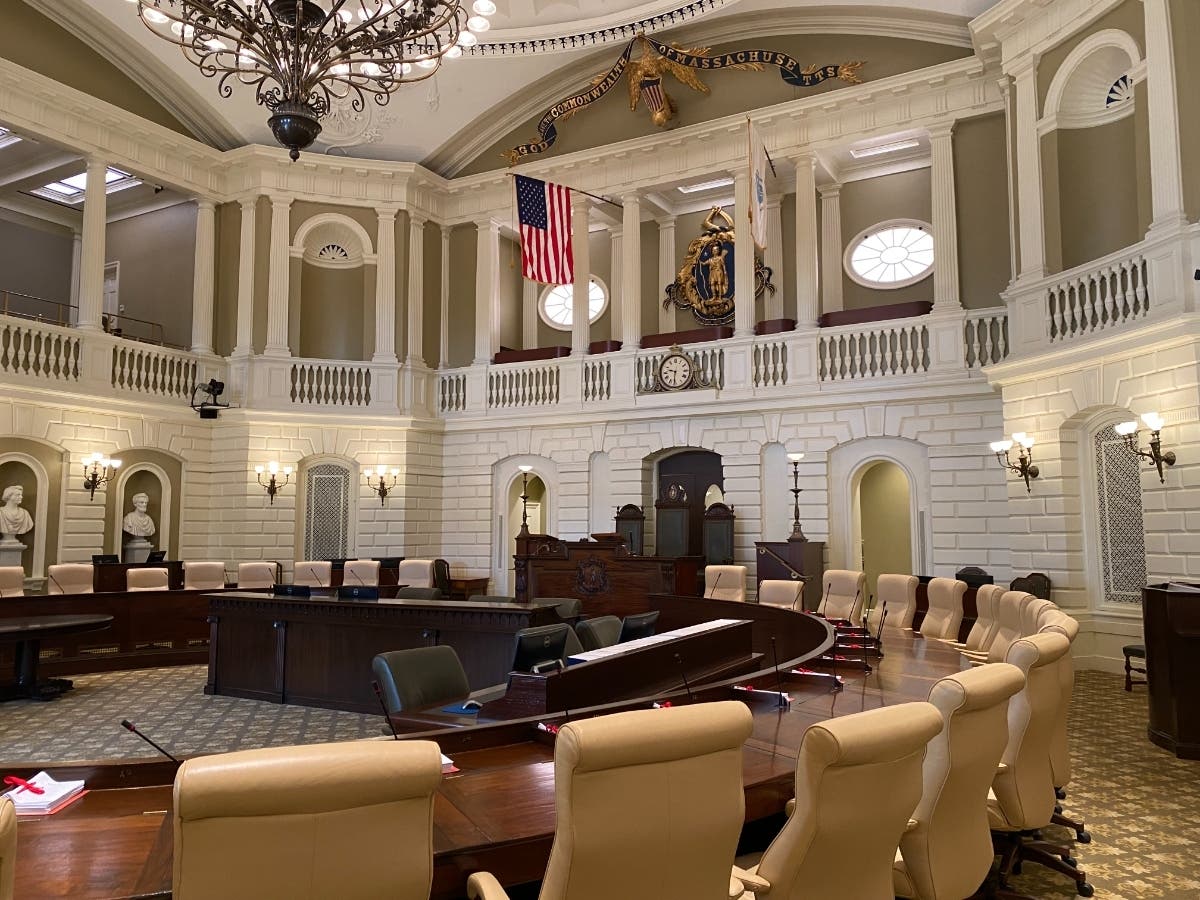
BOSTON—State Senator Jason Lewis joined his colleagues in the Massachusetts Senate to approve a supplemental budget to close the books on Fiscal Year 2026 and ensure seamless continuity for state services that residents rely on. The legislation also cuts red tape for cities and towns to help them mitigate high costs, bolsters the state’s core assistance programs, and makes it easier for people to cancel their online subscriptions.
Funding in the closeout budget covers state expenses in key areas that serve residents across Massachusetts, including wintertime snow and ice removal, municipal public safety needs, early education, MassHealth, and essential services for crime victims, witnesses, and survivors of crimes.
“Our closeout budget responsibly rounds out state funding for the fiscal year, putting critical needs of our residents first, in the face of continued federal policy and funding cuts,” said Senator Jason Lewis. “This makes it easier for families to access childcare, put food on the table, receive proper healthcare, and much more.”
Find out what's happening in Melrosefor free with the latest updates from Patch.
The Senate’s closeout budget helps people keep more money in their pockets through simpler cancellation processes for online subscriptions by requiring companies to make cancelling subscriptions as easy as signing up for them.
It also added language that makes an important update to ‘Nicky’s Law’ to protect people with intellectual or developmental disabilities from risk of abuse at MassHealth day habilitation services. This section, based on a bill that was debated and passed by the Senate earlier this session, ensures people receive the same protections at day habilitation services that they receive in other care settings.
Find out what's happening in Melrosefor free with the latest updates from Patch.
The legislation also streamlines procurement processes for cities and towns, giving them more flexibility in how they purchase goods and services. This is one more tool to help municipalities manage notably higher costs driven by national economic trends and respond more quickly to timely local needs, such as snowstorms.
The $2.62 billion closeout budget will only result in $1.79 billion in net spending by the state after accounting for federal reimbursements. Key additional funding initiatives include:
- $69.5 million for new technology and additional caseworkers at the Department of Transitional Assistance (DTA) to ensure the integrity of the system in the face of federal cuts while helping to put food on the table of those in need.
- $18.5 million for subsidized early education for both family childcare providers and center-based providers.
- $1.8 billion for MassHealth as the state continues to see the rising cost of healthcare. (only $1 billion net state spending after federal reimbursements)
- $159.8 million for state snow and ice removal.
- $2 million to aid municipalities with public safety needs.
- $4 million for the Commonwealth Preschool Partnership Initiative, which was added after Senator Lewis successfully filed an amendment to the bill.
- $14 million for substance addiction services through the Department of Public Health.
- $13.8 million for the Massachusetts Office of Victim Assistance to make up for decreases in federal grant awards and support essential services for crime victims, witnesses, survivors, and families in need.
- $2 million for grants to support a statewide response to homelessness.
- $2 million for fair housing enforcement to help Massachusetts residents who face housing discrimination, amid harmful attempts by the federal government to inflict damaging repercussions on fair housing enforcement organizations.
- $2 million for Community Action Agencies that provide support to low-income residents.
- $244.8 million to address funding deficiencies at the 14 county sheriffs’ offices.
- $52 million for MassHealth supplemental nursing home rates.
- $2.6 million for maternal and child health, particularly increasing support for access to postpartum mental health services.
- $78.9 million for unemployment insurance interest repayments.
- $10 million for the Boston Holocaust Museum.
- $10 million for the Massachusetts Life Sciences Center to continue the Commonwealth’s support of its innovation economy.
- $6 million to support the restructuring of the Cannabis Control Commission, strengthen oversight, and implement reforms from the 2026 cannabis laws modernization act.
After passing in the state Senate, the closeout supplemental budget will now be reconciled with a different version that was previously passed by the House of Representatives before being sent to Governor Healey for her signature.