Politics & Government
More Housing, Less Parking? Princeton Unveils Zoning Rewrite Plan
ADUs, parking and neighborhood character drew the most attention as officials reviewed the zoning diagnostic report.


PRINCETON, NJ — More than a decade after the borough and township merged, Princeton still runs on two separate zoning codes. Officials say that is finally about to change.
At its Monday meeting, the Princeton Council heard an overview of the zoning code diagnostic report, the first phase of the "One Code" project to replace the old borough and township rules with a single land development code.
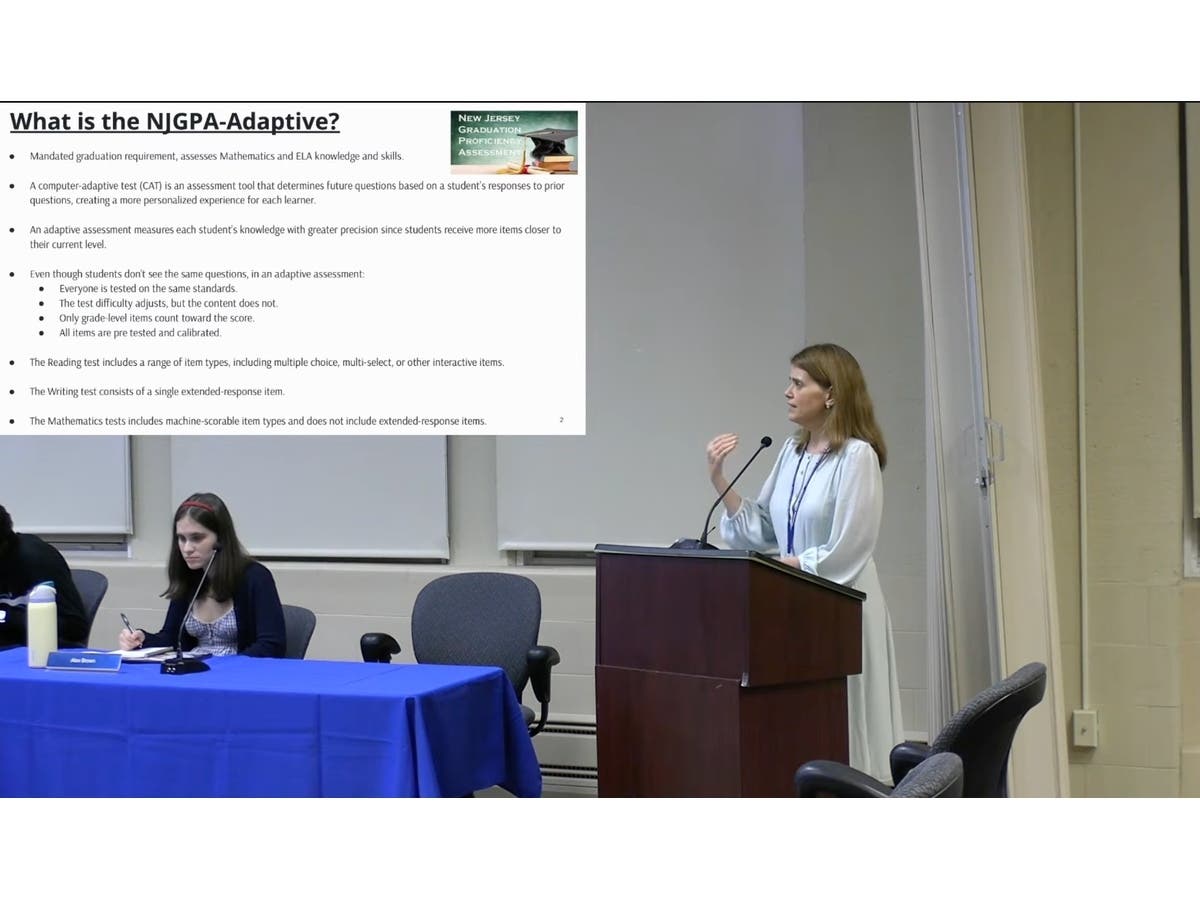
Arista Strungys of the planning firm Camiros presented the report via Zoom. It reviews the current zoning, subdivision and development rules and proposes how the new code could be organized.
Find out what's happening in Princetonfor free with the latest updates from Patch.
"This diagnostic won't be redrafted," Strungys said. "It really is a report that's put out there that talks about our proposals, and we're looking for reactions to those proposals."
The council saw a shorter version of a presentation Camiros gave to about 45 people on Sept. 24, Planning Director Justin Lesko said.
Find out what's happening in Princetonfor free with the latest updates from Patch.
The top goal is to combine the borough and township codes into one document that covers the whole municipality, Strungys said. The new code would carry out the town's recently adopted master plan, not create new policy.
"The code's not making new policy," Strungys said. "The master plan is what's guiding what we do in the code."
Among the proposals are:
- Simpler zoning districts based on how neighborhoods are actually built today, rather than the old borough and township lines. Camiros is using mapping data to compare current district rules with what's on the ground.
- A single use table listing every district and every allowed use, so property owners can see what they can build or open in any part of town. Similar businesses, such as shoe, hardware and clothing stores, would fall under broader categories like "retail goods establishment." Uses that raise concerns could still be regulated separately.
- More housing options where the setting supports them, including a second look at accessory dwelling units, or ADUs, and small clusters of homes known as cottage courts.
- Parking changes, including more flexibility, stronger bicycle parking rules and possible exemptions for smaller commercial spaces and existing buildings. The report also raises the idea of eliminating parking minimums across town.
- Fewer variances for routine projects, by building common, widely accepted requests into the code itself.
- More graphics and clearer definitions so residents can understand the rules without guesswork.
Strungys stressed that the parking minimum proposal is only on the table for discussion.
"Again, not saying we're doing it," she said. "We just wanted everyone to consider elimination of parking minimums throughout the municipality."
No specific numbers or final list of districts has been set yet, she said.
The new code will not make major changes to rules on signs, historic preservation, affordable housing or stormwater, which are being handled separately. Camiros will make sure those sections fit with the rest of the code.
Council President Michelle Pirone Lambros said many of the ideas are ones the council has discussed for years. She asked Camiros to also consider a parking bank, where developers pay a fee instead of building parking.
"You could have that fund go towards transit options and other improvements to help in that district," she said. "I really think it would be a missed opportunity to not have developers pay into that."
Pirone Lambros also asked that the new code include as many online applications as possible. She urged consultants to use a two-year study of allowed business uses done by Experience Princeton, the town's special improvement district.
"Experiential retail and other retail — it's really evolving, so we want to be on top of it," she said.
Councilwoman Mia Sacks said the report has become "a Rorschach test" for some residents since the Sept. 24 presentation, reflecting either their worst fears or hopes for rapid change. She urged residents to read the report and bring questions to Strungys or Lesko.
Sacks said the town cannot keep working with two codes.
"If there are aspects of this code that become a particular focus of controversy, my recommendation would be that we peel them off and save them for another day, because we need a consolidated code, and we need it yesterday," she said.
She also thanked retired zoning officer Derek Bridger for years of working with the split code.
Councilman Brian McDonald said the new code will need to balance growth and density in the master plan with respect for neighborhood character. He asked that ADUs be discussed in more detail.
Mayor Mark Freda said density, ADUs and neighborhood character are the issues residents raise with him most often.
"ADUs comes up frequently, very, very, very frequently," Freda said.
He praised the effort to modernize the code "and not just trying to jam two different codes into one code."
Residents can submit written comments through the project website, onecodeprinceton.com, by Dec. 1. Comments can also be emailed to Lesko, who will pass them to Camiros.
After that, Camiros will begin writing the draft code. The town expects to hold open houses on a first draft in late winter 2027, Lesko said. A second draft will then go before the council.
Have a correction or news tip? Email sarah.salvadore@patch.com
Get more local news delivered straight to your inbox. Sign up for free Patch newsletters and alerts.