Straw is a common agricultural residue, but processing it efficiently can be challenging. Long fibers, inconsistent moisture, bulky storage requirements, and variations in raw material quality can all affect production. For farms, biomass fuel businesses, and agricultural processing companies, pelletizing offers a way to turn prepared straw into a more compact product that is easier to store, transport, and handle.
A straw pellet making machine compresses prepared straw through a die to form pellets of a specified size. However, not every machine is suitable for every type of straw. The right choice depends on the raw material, required output, intended application, and the preparation equipment available at the factory.
1. Check the Condition of Your Straw
Before comparing machines, identify the type and condition of your raw material. Wheat straw, rice straw, barley straw, and mixed crop residues may have different fiber characteristics and processing requirements.
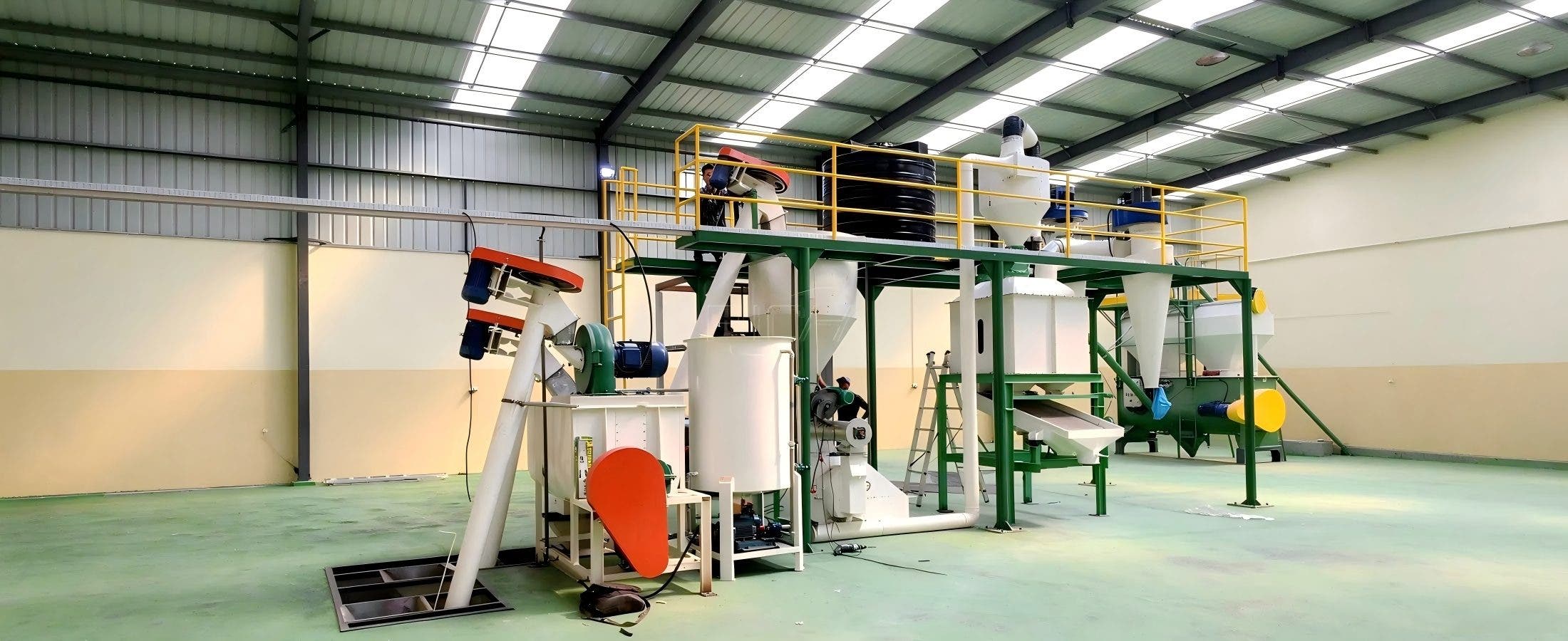
The incoming material form is equally important. Whole stalks and compressed bales usually need size reduction before pelletizing. Loose straw may require a different feeding arrangement, while pre-ground straw can enter the next processing stage with less preparation.
Moisture content should also be measured. If the straw is too wet for stable pellet formation, a drying system may be necessary. If it is already dry, additional drying may be unnecessary and could increase operating costs.
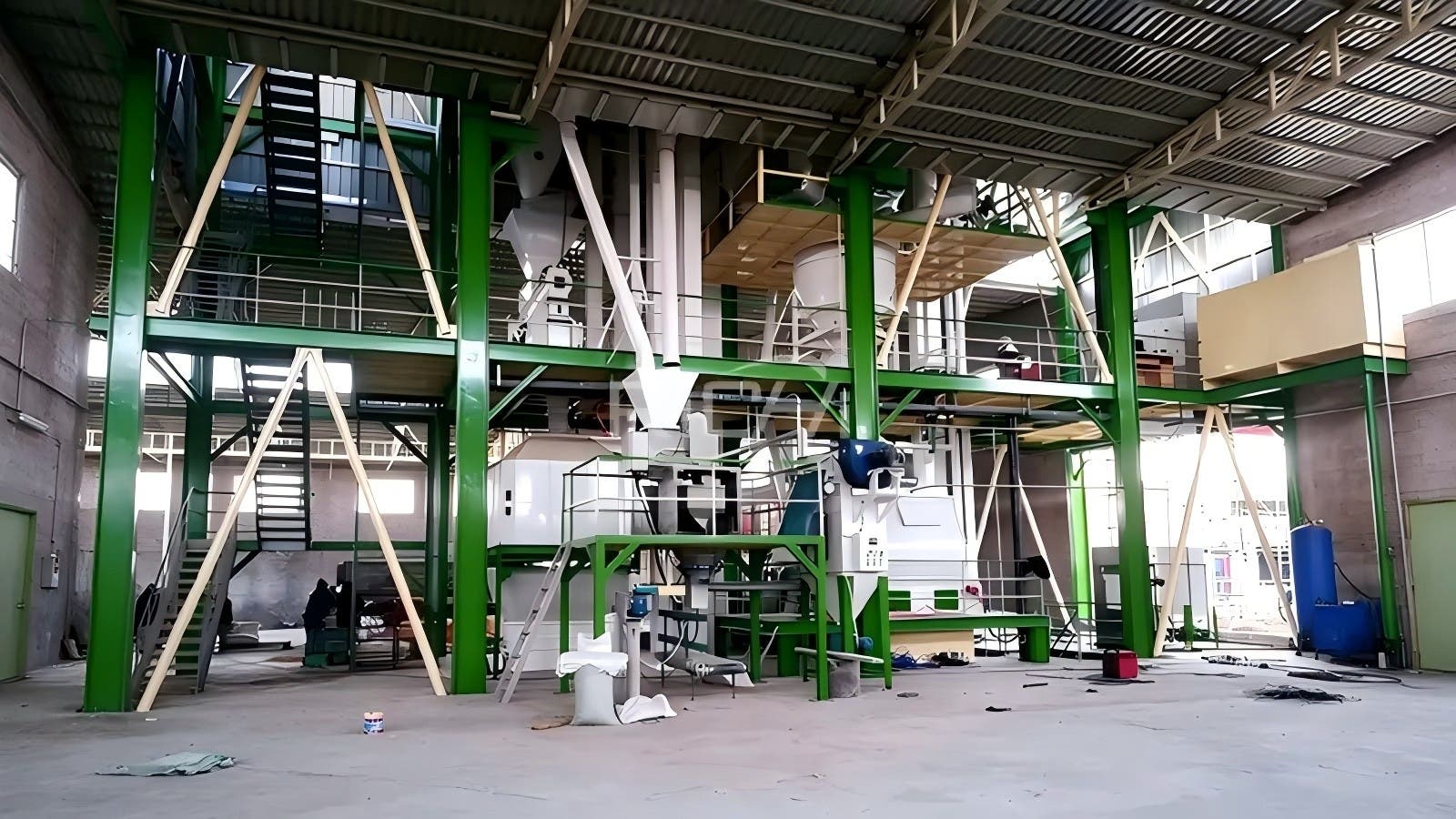
Foreign materials should not be overlooked. Stones, metal, and excessive soil can damage equipment or affect the finished product. Suitable cleaning and separation systems can help reduce these risks.
2. Understand the Main Machine Components
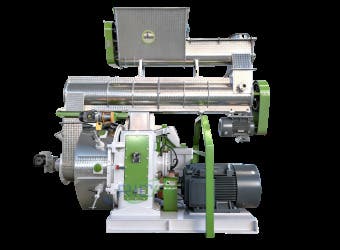
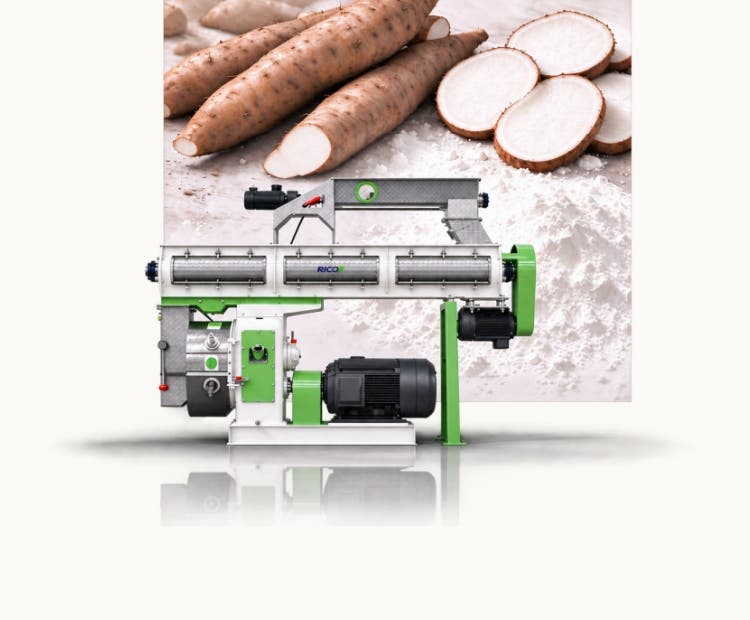
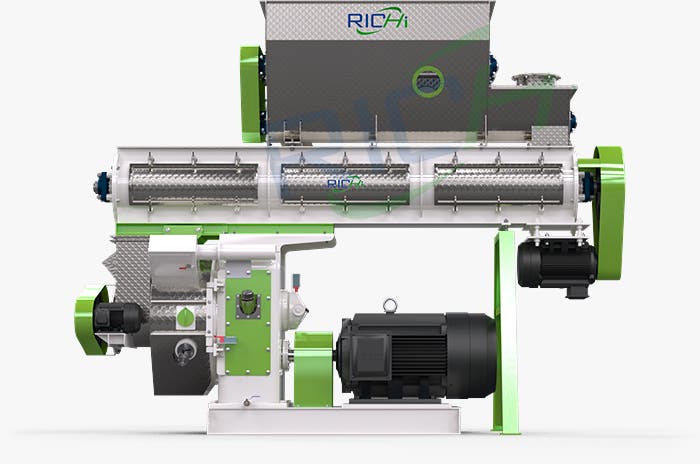
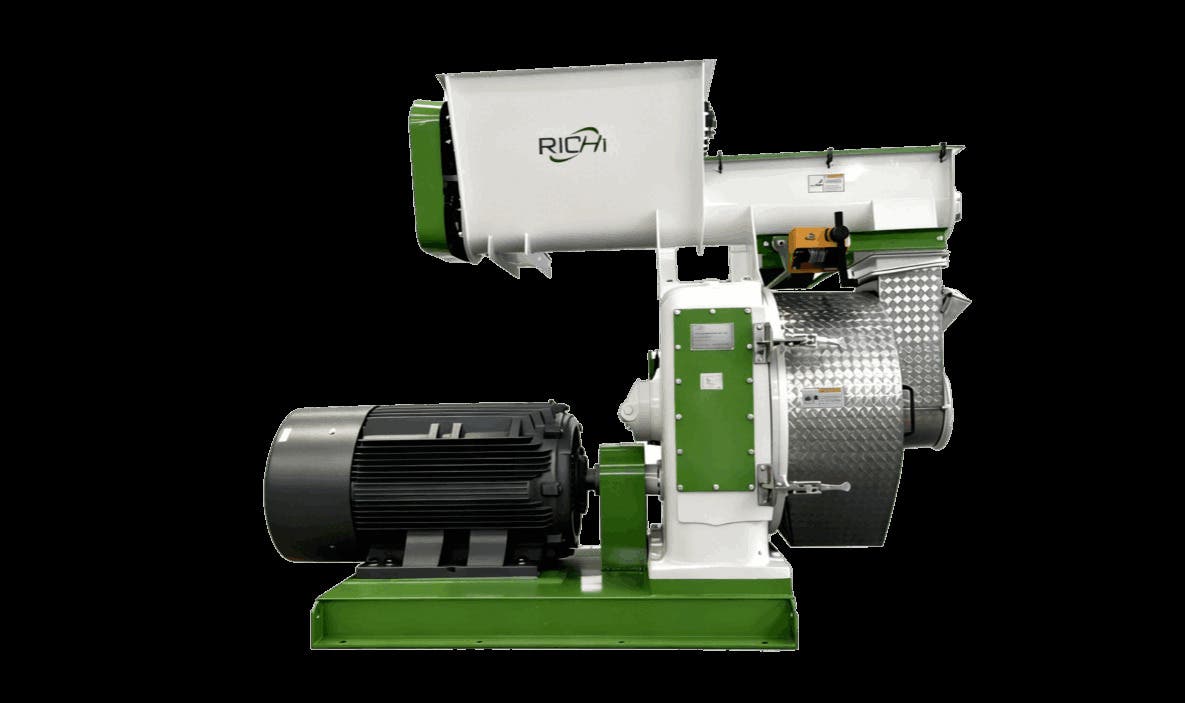
A straw pelletizer generally uses a feeding system, a compression mechanism, and a die to form pellets. In a ring die configuration, rollers press the prepared material through openings in the rotating die. The resulting pellets are cut to the required length.
Several factors influence machine performance:
- Feeding stability: Consistent material flow helps maintain steady operation.
- Die specifications: Die hole diameter and compression characteristics affect pellet formation.
- Drive power: The motor and transmission must suit the required output and material properties.
- Wear resistance: Die and roller materials influence service life and maintenance requirements.
- Adjustment and maintenance: Accessible components can simplify inspection and replacement.
The correct configuration should be based on actual material testing and the manufacturer's technical recommendations, not just the motor power or advertised capacity.
3. Choose Equipment for the Final Application
The required pellet characteristics depend on how the product will be used.
For biomass fuel, buyers may prioritize pellet durability, moisture content, ash characteristics, heating value, and compatibility with the intended combustion system. For animal bedding, absorbency, dust levels, and ease of handling may be more important. Straw intended for animal feed requires appropriate nutritional assessment and processing controls.
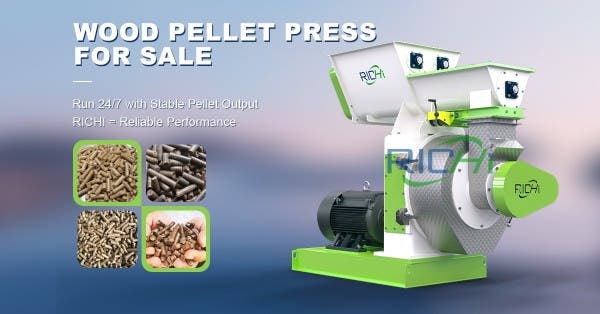
A wood pellet machine is another common option in the biomass processing industry. Although wood and straw can both be pelletized, their physical properties differ. Straw's fibrous structure may require a different preparation process and equipment configuration. Buyers planning to process both materials should confirm the machine's suitability for each raw material instead of assuming that one setup will deliver identical results.
4. Evaluate Total Ownership Costs
The purchase price is only one part of the investment. Electricity, drying energy, labor, replacement dies and rollers, maintenance, and raw material transportation all affect long-term profitability.
Request an itemized quotation that identifies the machine model, included accessories, expected output conditions, and warranty terms. Also ask about spare parts availability and technical support. If possible, test representative straw samples before finalizing the purchase.
For broader equipment research, richimanufacture pellet machine supplier can serve as a starting point for comparing pelletizing equipment options. Verify the supplier's proposed configuration, relevant processing experience, and support arrangements before making a commitment.