How Much Should You Budget for Rabbit Feed Pellet Equipment?
The cost of producing rabbit feed pellets depends on the equipment configuration, raw material formula, production capacity, and degree of automation. A small farm processing its own feed has different investment requirements from a commercial manufacturer supplying feed retailers or livestock operations.
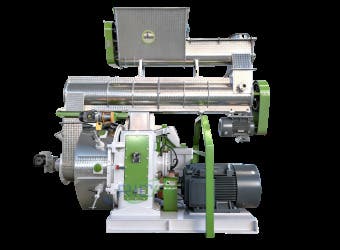
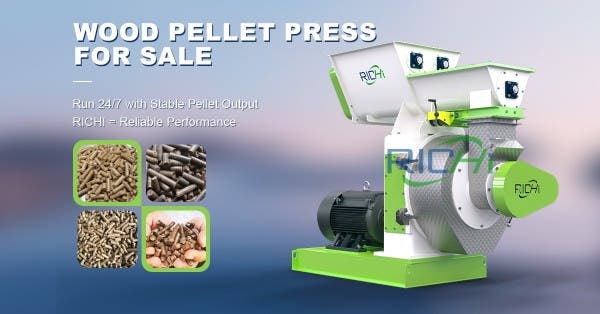
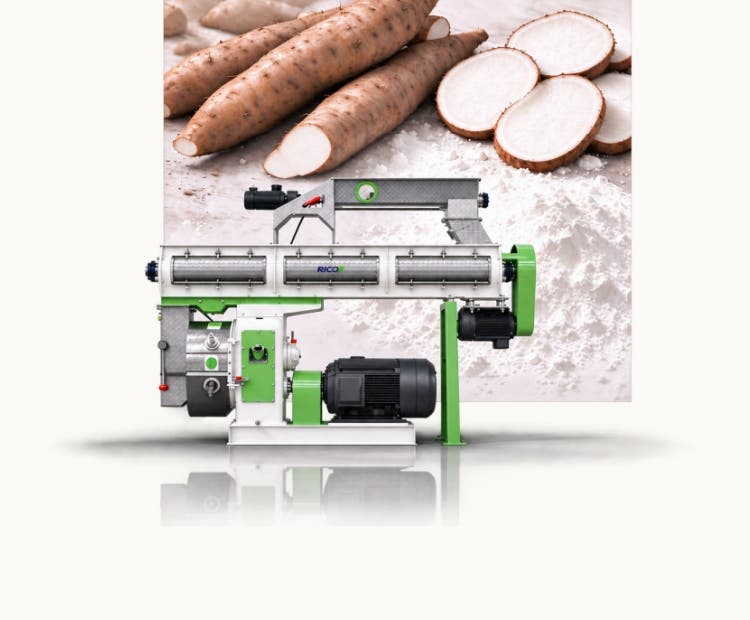
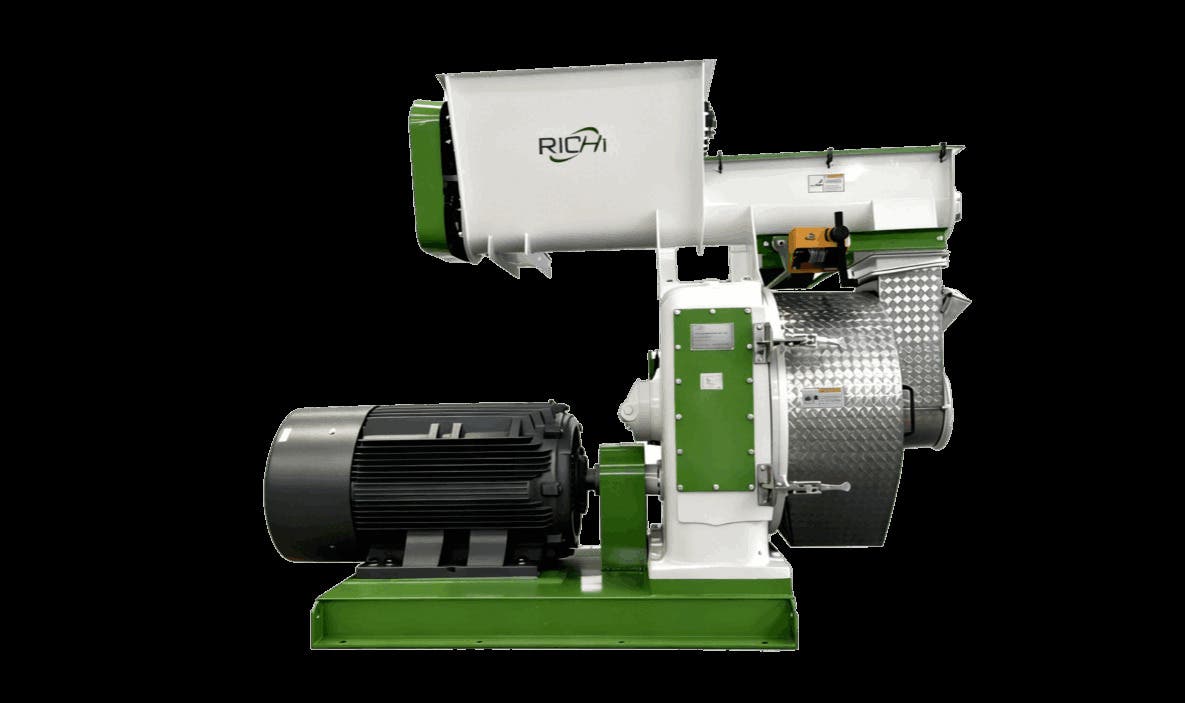
When researching the rabbit pellet making machine price, it is important to compare the complete equipment specifications rather than focusing only on the initial purchase cost. Two machines with similar motor power may deliver different results when processing fibrous forage, grain-based mixtures, or formulas with varying moisture levels.
A well-planned investment should balance production requirements, pellet quality, operating expenses, and long-term maintenance.
1. Production Capacity Is a Major Cost Factor
The required output is one of the first details to establish. A small operation may need a compact machine for periodic production, while a commercial feed factory may require higher-capacity equipment and a continuous material-handling system.
However, rated capacity should not be treated as a guaranteed finished output. Actual performance depends on the feed formulation, ingredient particle size, moisture content, die specifications, and operating conditions.
Before comparing quotations, estimate your daily feed demand and planned operating hours. Consider whether production will remain stable throughout the year or increase during particular periods. This helps determine whether a smaller configuration is sufficient or whether additional capacity is justified.
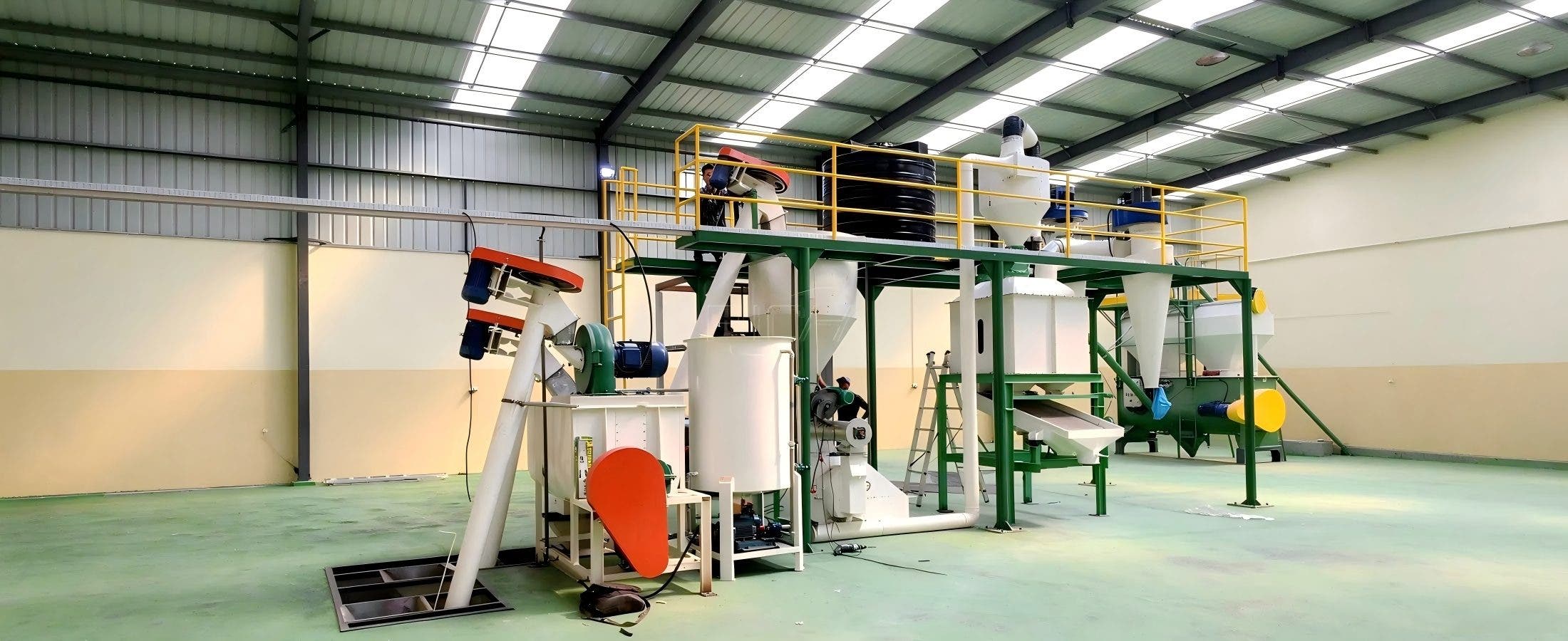
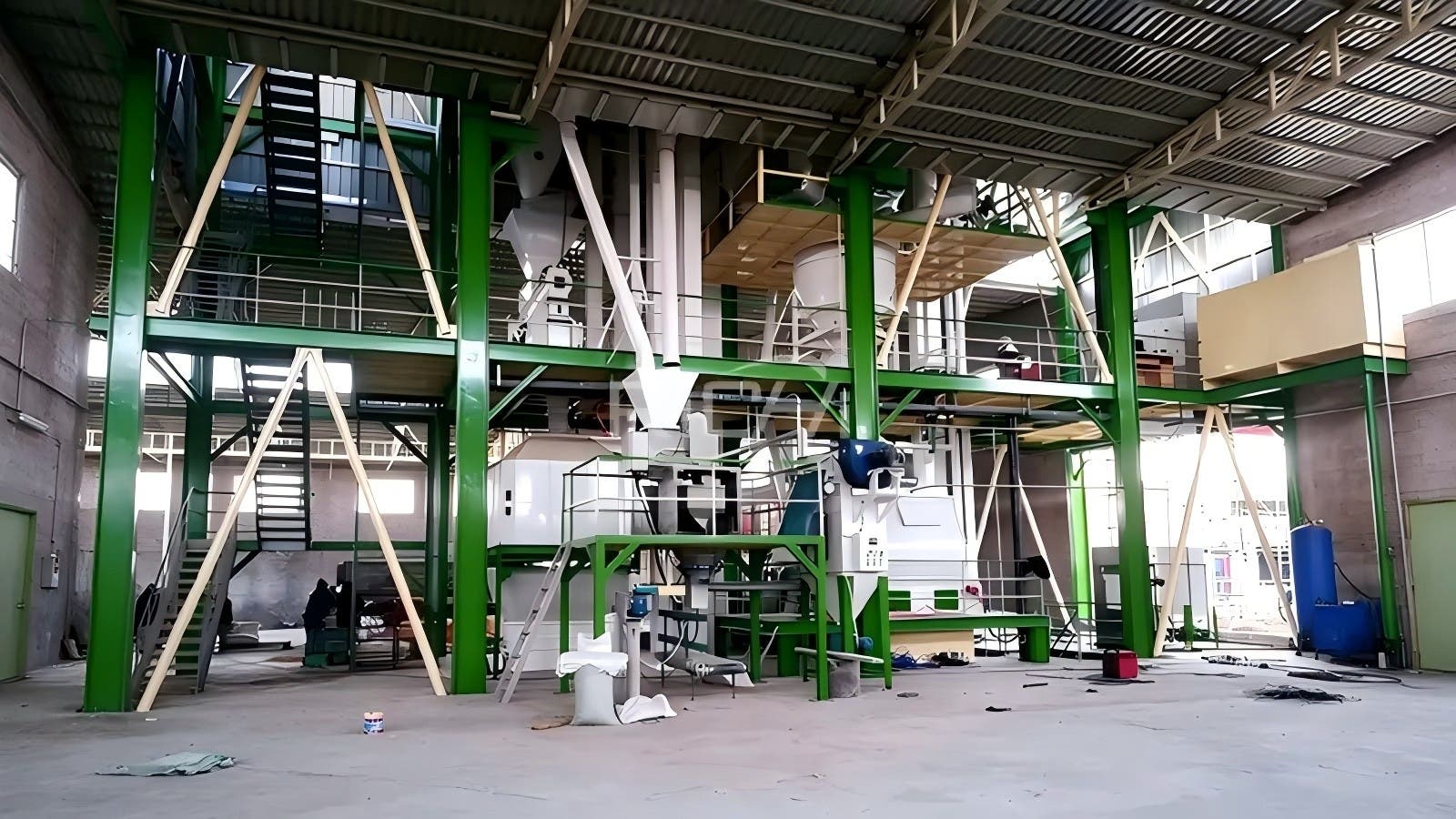
For a larger facility, a complete production system may include grinding, mixing, pelletizing, cooling, screening, and packaging. Each machine must be sized appropriately to prevent the entire operation from being limited by a single processing stage.
2. Raw Materials Affect Equipment Configuration
Rabbit feed commonly contains alfalfa meal, grass meal, bran, grains, protein ingredients, minerals, and other formulated components. The proportion of forage can affect material flow and pellet formation because fibrous ingredients behave differently from finely ground grains.
If your recipe contains substantial forage, the machine should be evaluated for its ability to handle the prepared mixture consistently. Grinding requirements, feeding stability, die selection, and conditioning arrangements may all influence the final configuration.
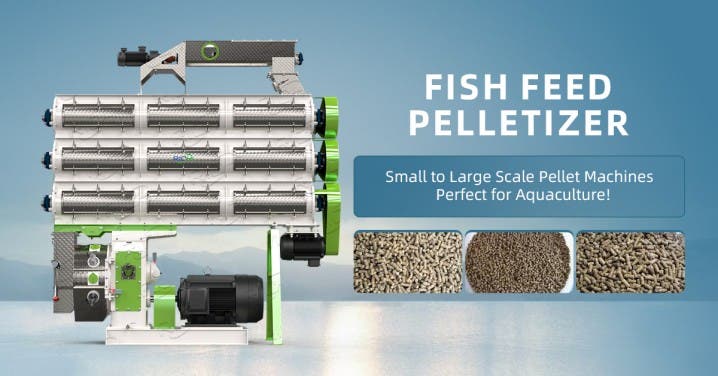
For businesses producing feed for multiple livestock species, a 5T/H sheep feed pellet machine may also be considered as part of a separate or shared production setup. However, the equipment configuration and feed formulation must be suitable for each species and its specific nutritional requirements.
Providing the supplier with your ingredient list and representative raw material samples can help establish realistic capacity expectations and identify the equipment required for your application.
3. Calculate the Cost of Auxiliary Equipment
The pelletizer is not always the only machine required for production. If your factory already has suitable grinding and mixing equipment, you may only need to add a pellet mill and the necessary downstream components. A new facility may need a more comprehensive configuration.
Typical auxiliary equipment includes a hammer mill, feed mixer, conveyors, storage bins, cooler, screener, and weighing or packaging machine. The final list depends on your current facilities, raw material condition, and finished-product requirements.
Automation also affects the investment. Manual feeding and bagging may be practical for a small farm, whereas a commercial operation may benefit from automatic weighing, centralized controls, and integrated conveying.
When comparing suppliers, request an itemized quotation that clearly identifies the main machine, auxiliary equipment, electrical controls, installation services, and optional components. This allows you to compare equivalent configurations and avoid unexpected expenses after placing an order.
When reviewing a proposal from richimanufacture pellet machinery, compare the technical specifications, capacity assumptions, recommended auxiliary equipment, warranty conditions, and after-sales support. These details are important when estimating the long-term value of the investment.