Building a poultry feed manufacturing plant is a valuable investment for entrepreneurs, feed producers, and poultry farm operators. With increasing demand for high-quality chicken feed, a well-designed feed mill can help reduce production costs, improve feed consistency, and support long-term business growth. However, successful feed mill construction requires careful planning, suitable equipment selection, and an efficient production process.
(click here: pelletisingmachine.com/small-scale-poultry-feed-mill/)
Define Your Production Goals
Before starting construction, determine your target production capacity, expected market demand, and feed product types. A poultry feed plant may produce mash feed, pellet feed, or crumbled feed for broilers, layers, and other poultry. Your production goals will influence the factory layout, equipment configuration, storage capacity, and overall investment.
For new investors and small poultry farms, a small scale poultry feed mill can be a practical starting point. It allows businesses to manufacture feed for their own use or serve nearby customers without investing in an oversized production facility. As demand grows, the plant can be expanded with additional processing equipment and automated systems.
Select the Right Location and Factory Layout
The plant location should provide convenient transportation for raw materials and finished products. Reliable electricity, sufficient water supply, appropriate ventilation, and adequate space for future expansion are also important considerations.
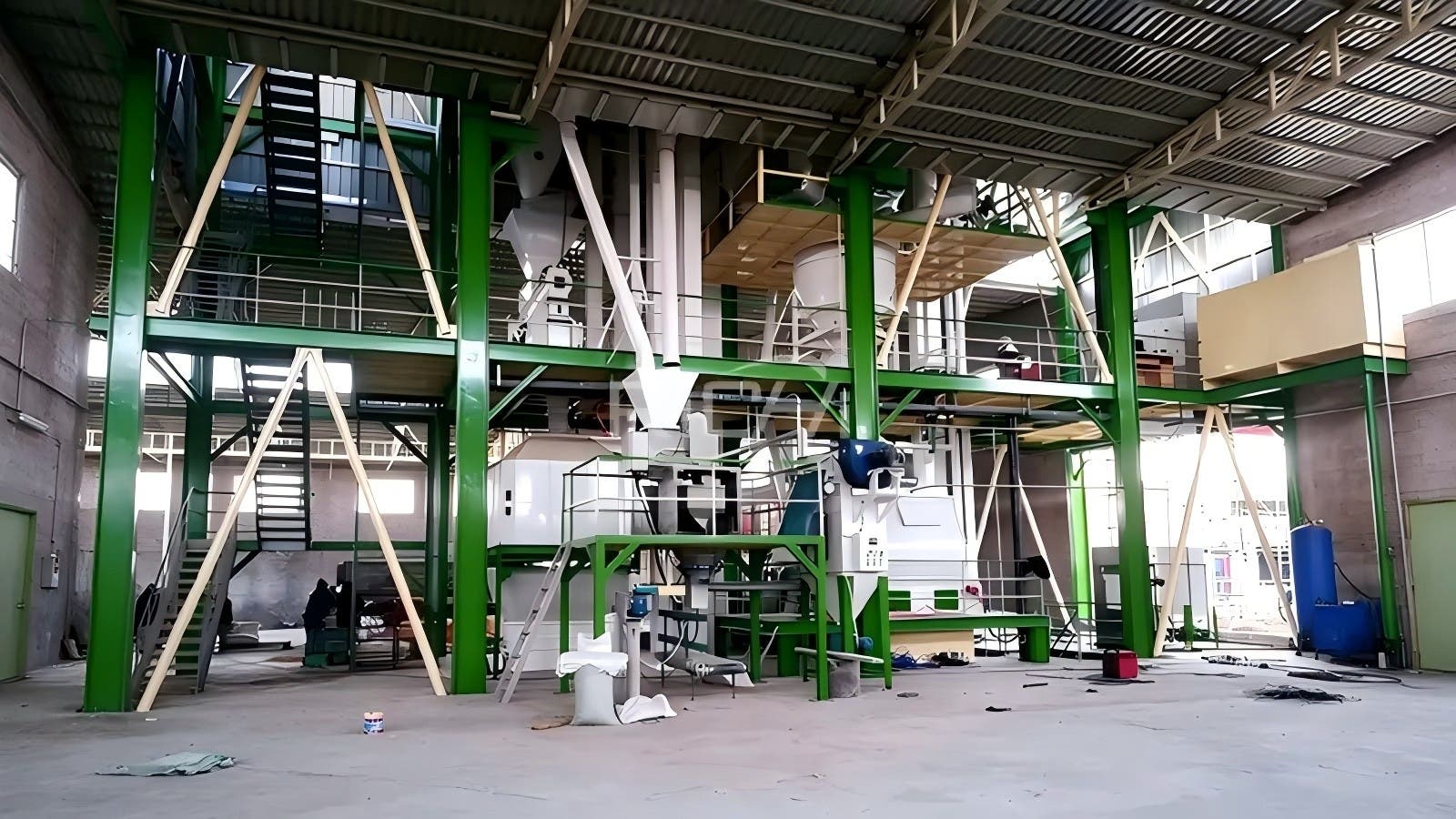
A well-planned layout should separate raw material storage, processing areas, finished feed storage, and packaging operations. Equipment should be arranged according to the production sequence to minimize material handling, reduce unnecessary transportation, and improve operational safety.
Choose Suitable Poultry Feed Processing Equipment
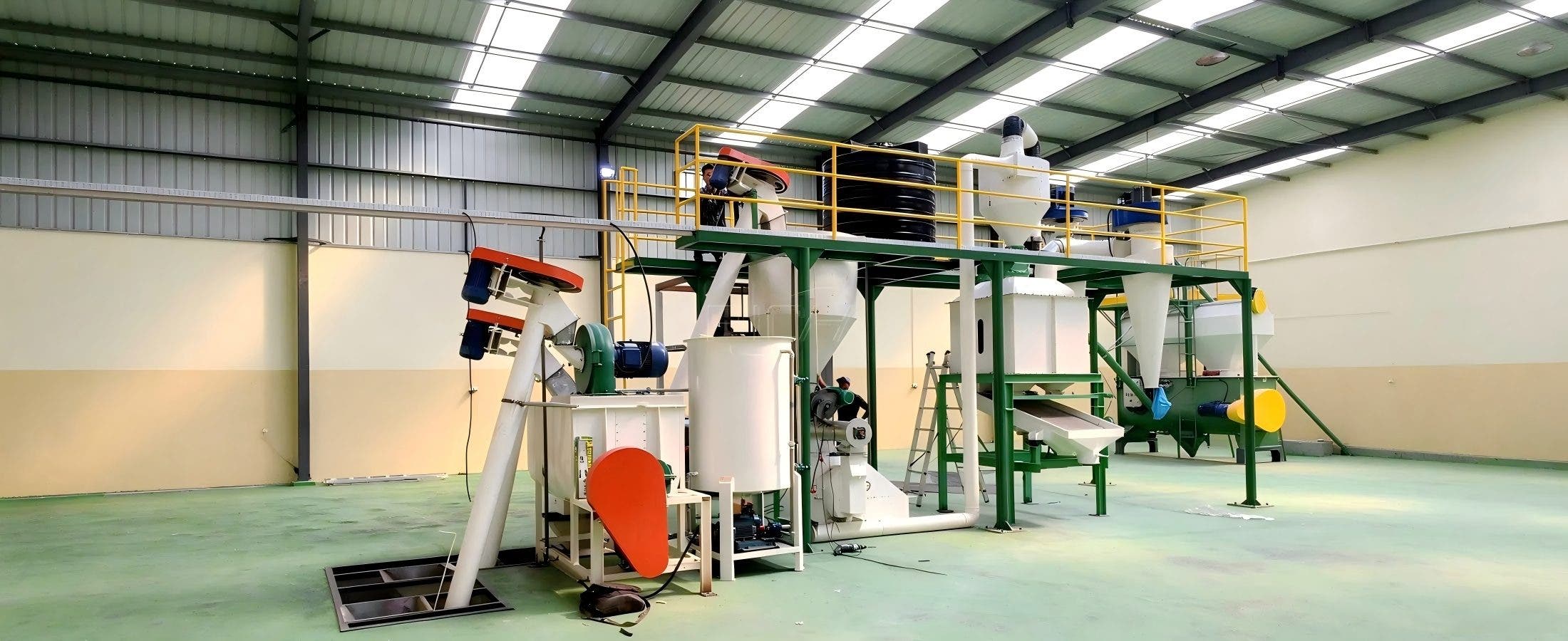
Equipment selection directly affects feed quality, production efficiency, and operating costs. A typical poultry feed production line includes several key machines.
- Raw material cleaning equipment removes stones, metal particles, and other impurities.
- Grinding machines reduce corn, wheat, soybean meal, and other ingredients to the required particle size.
- Feed mixers distribute ingredients, vitamins, minerals, and other additives evenly.
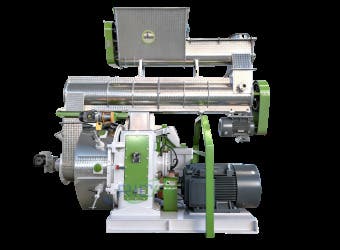
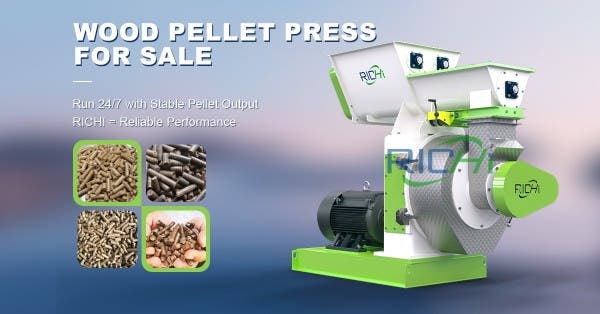
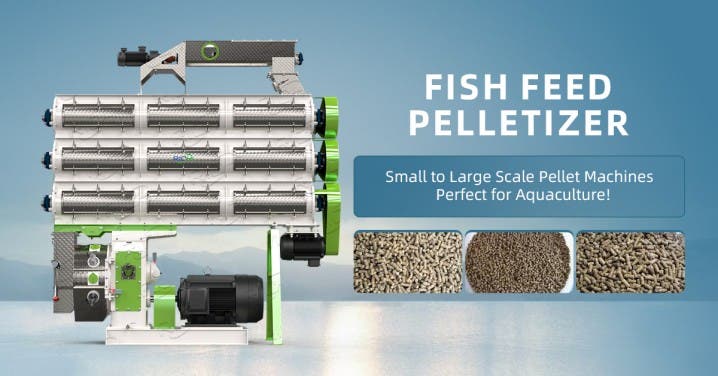
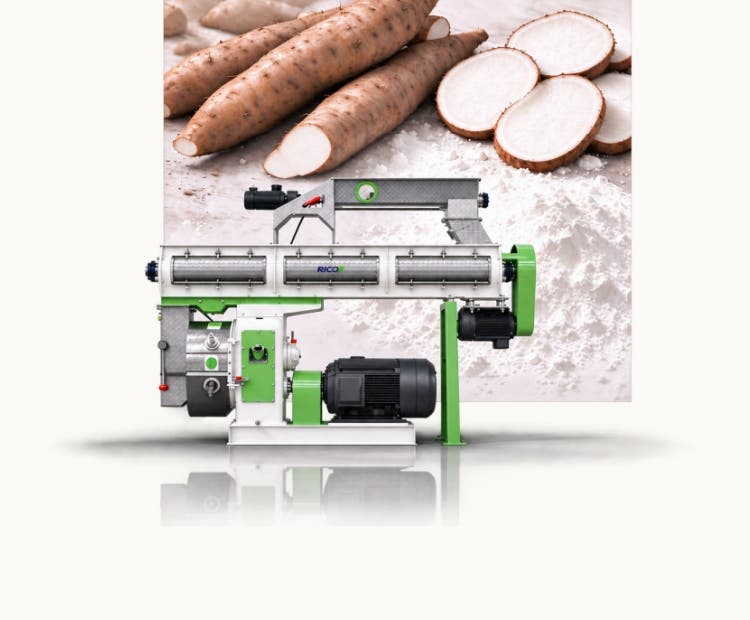
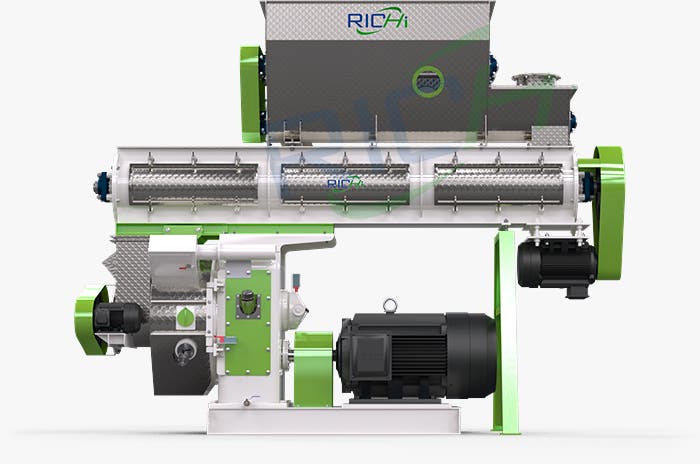
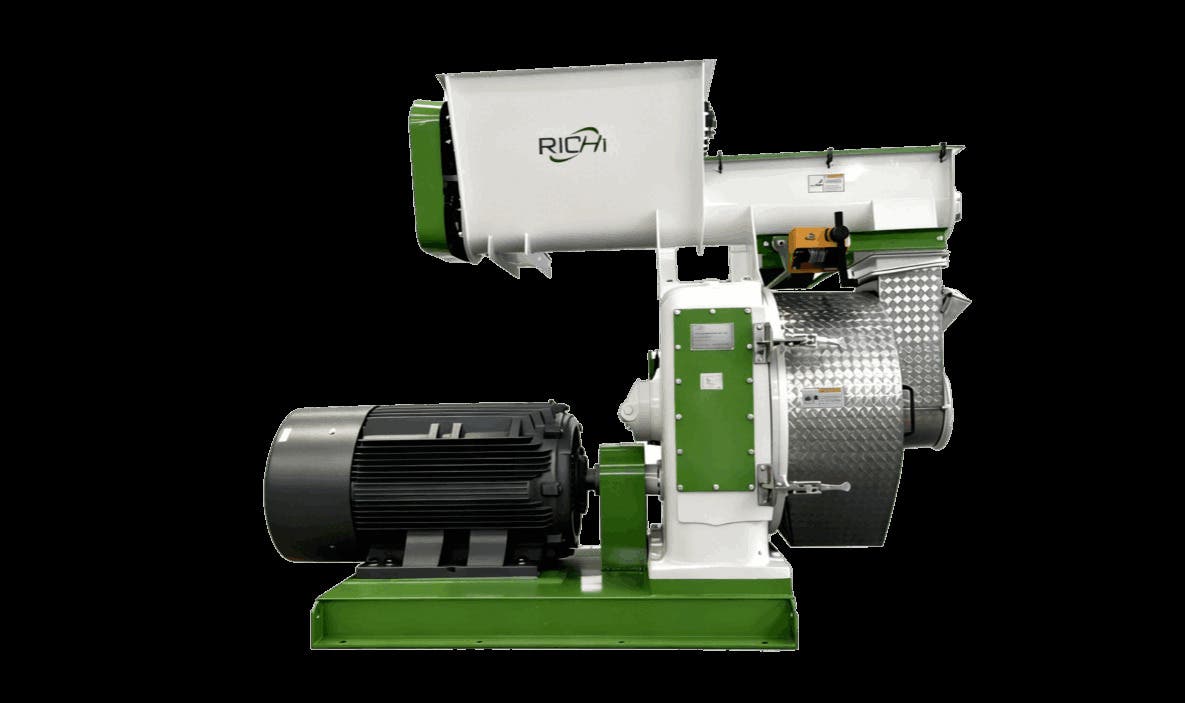
- Poultry feed pellet mills compress conditioned feed into uniform pellets.
- Coolers and crumbler machines cool hot pellets and produce smaller particles when required.
- Screening and packaging equipment removes excess fines and prepares finished feed for storage or delivery.
The exact equipment configuration depends on feed formulations, production capacity, automation requirements, and budget. Plants producing mash feed may not require pelletizing or crumbling equipment, while pellet production facilities need additional conditioning, cooling, and screening systems.
Calculate the Investment Budget
The total investment includes land, factory construction, machinery, electrical systems, installation, labor, raw materials, and working capital. Equipment prices vary considerably according to capacity, automation level, and configuration.
To control costs, investors should compare complete production solutions rather than evaluating individual machines alone. A customized design can help avoid unnecessary equipment purchases while ensuring that each processing stage meets the plant's actual requirements.
(Recommended supplier:RICHI Manufacture)
Focus on Installation and Long-Term Operation
After equipment manufacturing and delivery, professional installation and commissioning help ensure that the entire line operates as intended. Operators should receive training in equipment operation, routine maintenance, troubleshooting, and production safety.
Regular inspection, timely replacement of worn parts, and proper inventory management are essential for maintaining stable production. Investors should also establish quality control procedures to monitor feed particle size, pellet durability, moisture content, and nutritional consistency.
Build a Plant for Future Growth
Successful poultry feed mill construction involves more than purchasing machinery. It requires an integrated approach that combines market research, process design, equipment selection, installation, and after-sales support. With a customized production solution and a clear expansion plan, investors can establish an efficient poultry feed production plant that meets current demand while preparing for future business opportunities.