Business & Tech
The Smart, Simple Way To Stay Safe Online
From a brand partner: Aura brings identity, financial, device and family protections together in one easy-to-manage platform.


Shopping, banking, working and keeping up with family all happen online now. That convenience also means more accounts to secure, more devices to manage and more personal information circulating across the internet.
Protecting it all can feel like a job in itself. You might use one service to monitor your credit, another to manage passwords and separate security tools for your devices and children.
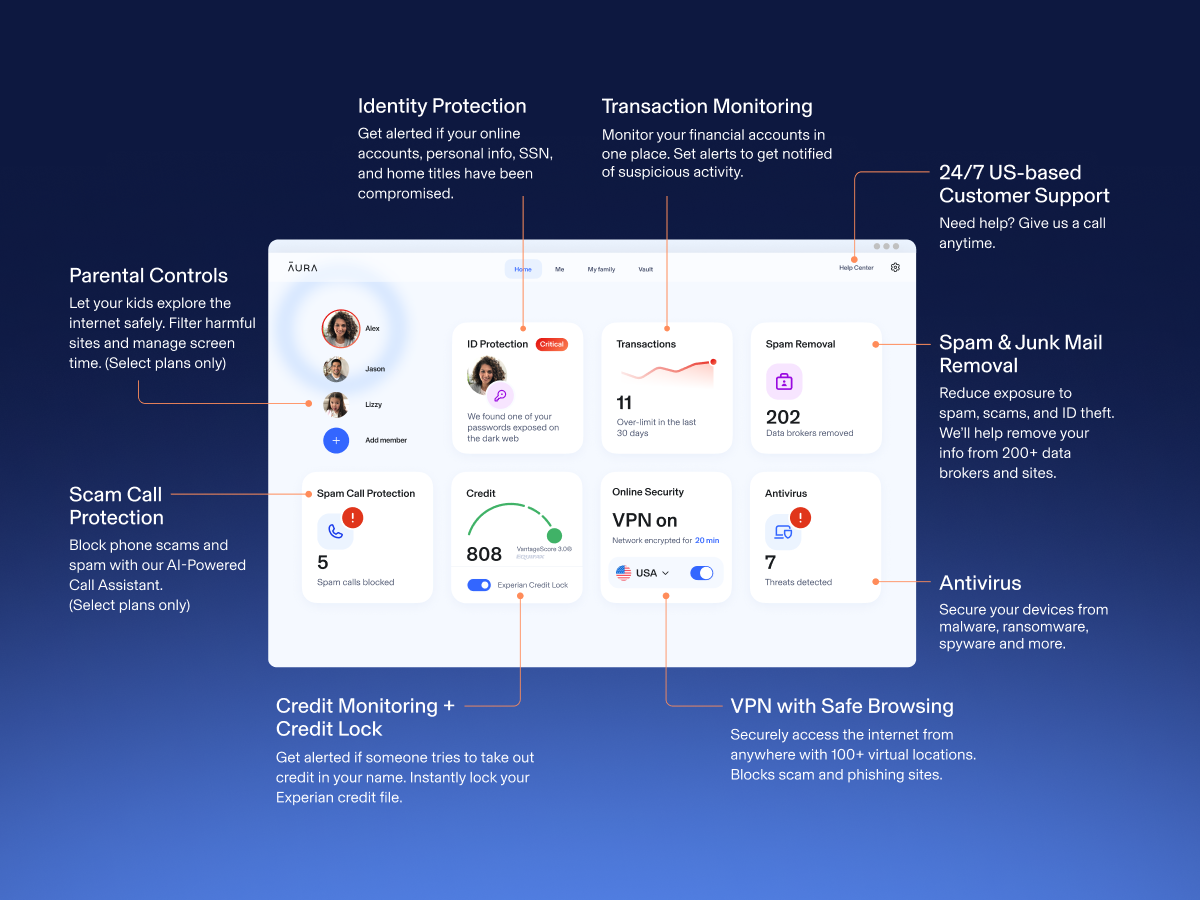
Aura is designed to simplify that process. Its all-in-one digital safety platform combines identity and financial fraud protection, online privacy tools, device security and family safety features in one place.
Here is how Aura’s protections work together, who they are designed for and how the service compares with LifeLock.
What Does Aura Protect?
Aura’s protections cover three main areas: identity and financial fraud, online and device security and family safety.
Its identity theft protection monitors for signs that sensitive information may have been compromised or misused. Aura plans include three-bureau credit monitoring, dark web monitoring and alerts about potentially suspicious activity involving a member’s identity, credit or linked financial accounts.
The service also includes preventive tools meant to reduce risk before an incident occurs. Antivirus software, a virtual private network, or VPN, a password manager and Safe Browsing features help members protect supported devices, secure their internet activity and avoid malicious websites.
Rather than juggling several subscriptions, members can manage these protections through Aura’s web and mobile apps.
Helping Keep Personal Information Private
Even careful internet users may have personal details posted on people-search sites or collected by data brokers.
Aura’s data removal service submits opt-out requests to more than 200 data brokers and people-search sites. It continues checking those sites and can resubmit requests if the information reappears.
Aura can also submit eligible requests to remove details such as home addresses or phone numbers from Google search results. Another tool scans supported email accounts for old or forgotten online accounts, helping members decide which ones to keep, secure or delete.
Removing information cannot eliminate every risk, but it may reduce the amount of personal data readily available to scammers, telemarketers and identity thieves.
What Happens When Aura Detects A Threat?
Aura’s approach can be understood in three stages: prevention, detection and recovery.
Preventive tools help secure accounts, devices and personal information. Monitoring features then watch for warning signs, including compromised credentials, unexpected credit activity and unusual transactions involving linked accounts.
When Aura detects a potential problem, it alerts the member so they can review it and take action. If an incident involves identity theft or fraud, members have access to 24/7 U.S.-based customer support and fraud remediation specialists who can help create a recovery plan and navigate conversations with banks or credit bureaus.
Every adult member also receives up to $1 million in identity theft insurance for eligible losses and expenses, subject to the policy’s terms, conditions, exclusions and availability. Coverage can total up to $5 million on a Family plan because each covered adult receives an individual policy.
No service can guarantee that identity theft or fraud will never happen. Aura’s value is in connecting prevention, monitoring and recovery support before an urgent situation arises.
.png)
Digital Safety For Families
For parents, online safety involves more than protecting passwords and credit files.
Aura’s parental controls allow families to block inappropriate websites and apps, establish screen-time limits and create schedules for internet use. Parents can customize settings for individual children and review how they spend their time online.
Safe Gaming can also alert parents to signs of cyberbullying, predatory behavior and other concerning interactions in supported online games. Some features vary by plan, device and operating system.
Aura’s Family plan covers up to five adults and unlimited children. It includes child identity protections alongside parental controls, device security and the core identity and financial monitoring features available to adults.
Aura Vs. LifeLock: What Is The Difference?
Aura and LifeLock both offer identity monitoring, fraud alerts, insurance and recovery assistance. The primary difference is how their protections are packaged.
Aura includes three-bureau credit monitoring, financial account monitoring and digital security tools such as antivirus software, a VPN and a password manager across its core Individual, Couple and Family plans.
LifeLock uses a tiered structure. According to Aura’s comparison of Aura and LifeLock, LifeLock’s entry-level plans include fewer monitoring features, while three-bureau credit monitoring and some financial protections are reserved for higher-priced plans. Antivirus, VPN and password-management features require a separate Norton 360 bundle. Even then, there is no perfect one-plan LifeLock alternative to Aura Individual at the low end.
That distinction is important when comparing prices. LifeLock may advertise a lower starting price, but its basic plan is not a feature-for-feature equivalent to Aura’s Individual plan. Shoppers should compare the specific protections included, along with introductory rates and renewal pricing, rather than looking only at the initial monthly cost.
Family coverage differs as well. Aura’s Family plan covers up to five adults and unlimited children and includes parental controls, Safe Gaming alerts and child identity tools. LifeLock’s current higher-tier family plan protects up to two adults and 10 children, with parental controls available through Norton 360.
- Aura includes three-bureau credit monitoring across Experian, Equifax and Transunion on all plans. Buyers will need a higher-priced LifeLock Advanced plan to match Aura’s month-to-month baseline.
- No LifeLock Core/Advanced/Total plan includes antivirus or VPN. With the Norton 360 with LifeLock entry bundle called Select, credit monitoring drops to one bureau.
- To get three-bureau monitoring plus antivirus and VPN, you may need Norton 360 with LifeLock Ultimate Plus at $299.99 in the first year. This plan renews at $364.99 per year after that.
- There is no LifeLock plan covering a third adult. Aura Family covers five adults and unlimited kids across 50 devices.
- LifeLock staffs U.S.-based restoration specialists for identity theft cases, and gates priority service behind its mid-tier plan. Aura’s 24/7 U.S.-based support is open to all members across plans.
- Both services scan dark web marketing for your information and alerts you. Aura claims broader coverage based on its own March 2026 competitive research. Aura tracks 24 categories of personal data, like Social Security numbers, bank details, passwords and the like, versus 16 for LifeLock.
LifeLock may suit someone who prefers to select from several monitoring tiers. Aura offers a more streamlined option for people who want identity, financial, privacy and device protections bundled together from the start, particularly for households that need coverage for more than two adults or want built-in parental and gaming-safety tools.

Who Is Aura Designed For?
Aura may be useful for people who want broad digital protection without managing several separate services.
The Individual plan is built for one adult, while the Couple plan extends protection to two adults. The Family plan adds coverage for a larger household, including features focused on children’s identities and online activity.
Aura may also appeal to people who have had information exposed in a data breach, want help removing personal details from data brokers or value having expert support available if fraud occurs.
It is not a replacement for good digital habits. Members should still use unique passwords, enable multifactor authentication, review financial statements and be cautious about unexpected calls, messages and emails.
Aura brings those habits together with automated monitoring, preventive security tools and recovery support, making it easier to oversee more of the risks that come with everyday life online.