Politics & Government
Fairfax City Budget Raises Real Estate, Meals, Hotel Taxes For FY 2027
Fairfax City Council backs higher utility and BPOL rates to fund infrastructure, schools and employee pay boosts


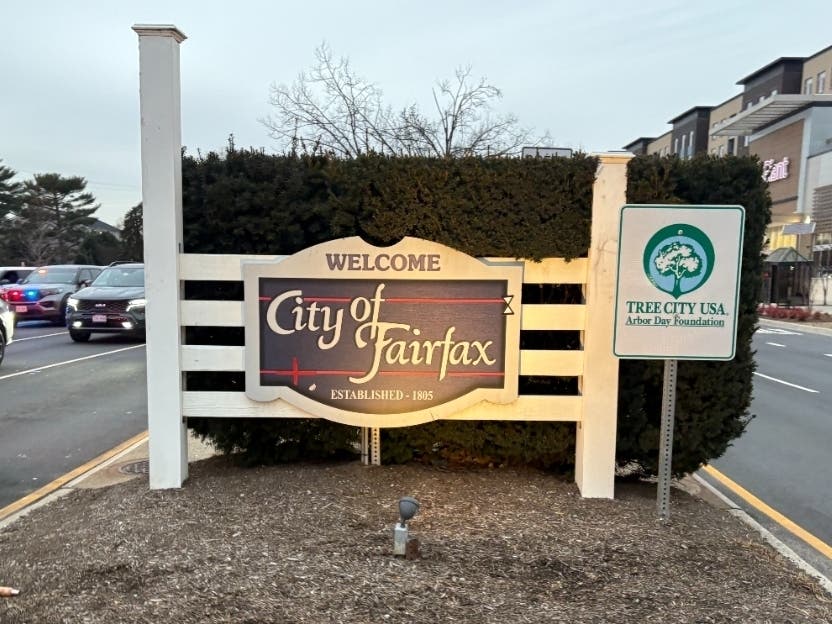
FAIRFAX CITY, VA — Fairfax City leaders on Tuesday adopted a new budget that nudges up the real estate tax rate while layering in a slate of utility, meals and hotel tax increases aimed at shoring up infrastructure and shifting more of the burden to visitors and nonresidents.
The spending plan for Fiscal Year 2027 sets the real estate tax at $1.0725 per $100 of assessed value, less than 2 cents above the current rate and more than 2 cents below the 1.095 rate the council originally advertised.
Councilmember Stacy Hall said the lower final rate reflects months of “careful work, collaboration and tough choices.” For the average-priced home in Fairfax City, the change will still add about $462.50 to the annual bill — roughly $335 from higher assessments and $127.50 from the rate increase, she said.
Find out what's happening in Fairfax Cityfor free with the latest updates from Patch.
Councilmembers also approved a package of cost-of-living adjustments for city staff, including a 2 percent market rate adjustment to general pay scales, a 1 percent COLA for general employees, a 2 percent COLA for public safety workers and a 3 percent salary adjustment for eligible general employees in January 2027. The budget continues step increases for police and firefighters and boosts advanced life support pay for eligible fire personnel.
Councilmember Billy Bates said the raises are needed in a region where many early-career employees and first responders would find it very difficult to live even within a half-hour of the city they serve. The budget also funds a long-awaited pay and classification study, which Bates urged future councils to take seriously.
Find out what's happening in Fairfax Cityfor free with the latest updates from Patch.
Assistant City Manager and Chief Financial Officer JC Martinez said the budget package includes adoption of the FY 2027–2031 capital improvement program, the FY 2027 schedule of rates and levies, and appropriation resolutions for all major funds, including general, capital, wastewater, stormwater, transit, transportation tax and debt service.
Several councilmembers pointed to sharply rising tuition payments to Fairfax County Public Schools as a major ongoing driver of city costs, even as they tried to limit the tax rate increase.
Councilmember Rachel McQuillen opposed a separate meals tax hike but voted for the overall budget, saying she was persuaded by a line-by-line review and a process that emphasized “fiscal responsibility and long term stability.”
“This budget keeps the city moving forward while maintaining financial stability,” she said.
Adopted FY 2027 Budget: The Details
In addition to a modest real estate tax hike, Fairfax City residents and visitors will see higher charges on meals, hotel stays and utility bills under a series of ordinances the City Council approved Tuesday.
The real estate rate will rise to $1.0725 per $100 of assessed value, but much of the city’s new revenue will come from changes that fall partly on nonresidents.
The council voted to raise the meals tax from 4 percent to 4.5 percent, the first increase since 2004. Martinez said the half-point bump is expected to bring in about $1.3 million a year and would add roughly 25 cents to a $50 restaurant check.
Supporters argued the increase helps offset pressure on real estate taxes because visitors and nonresidents pay a share. McQuillen voted no, citing a regional report showing rising food insecurity and warning that a tax tied directly to food is ill-timed. Hall also voted no.ftr
The transient occupancy tax, or hotel tax, will jump from 4 percent to 10.5 percent starting July 1, 2026. Martinez said the change could generate about $812,500 more per year, with each percentage point worth roughly $125,000.
Councilmember Anthony Amos said he would have preferred a lower rate but backed the increase with a request that the city monitor its impact on hotels and be prepared to offer support if needed. Hall, who read from a message she had sent to local hotel operators, called the move painful but “something that we do need” and stressed that it could be revisited if conditions change.
The council also approved a 6 percent wastewater rate increase and a 5 percent stormwater fee increase to $36.02 per billing unit. Martinez said the wastewater hike is needed to pay for aging local infrastructure and more than $100 million in planned capital improvements at the Noman Cole wastewater treatment plant driven by stricter federal regulations.
Under the budget, Fairfax City will increase its business, professional and occupational license (BPOL) tax rates for the first time in more than 30 years. The rate for financial, real estate and professional services will rise from 40 cents to 45 cents per $100 of gross receipts, while rates for repair, personal and other services will move from 27 cents to 30 cents per $100.
Martinez said the new rates match average levels in other Northern Virginia localities and are well below state caps. The changes are projected to bring in roughly $809,000 in additional annual revenue.
Councilmember Tom Peterson said he expects Economic Development Director Colleen Kardasz to evaluate how the new rates affect the city’s competitiveness for businesses. Hall, who pushed the issue earlier in the budget season, said she wants to monitor the impact and discuss raising the $10,000 exemption threshold during the next budget cycle.
What This Means For Your Bill
If you’re a homeowner in Fairfax City
- Real estate tax
- New rate: $1.0725 per $100 of assessed value
- For an average-priced home:
- Total annual increase: about $462.50
- From higher assessments: about $335
- From rate hike itself: about $127.50
- Stormwater fee
- New rate: $36.02 per billing unit
- Increase: 5 percent over last year
- Wastewater
- 6 percent rate increase
- Exact impact depends on individual usage
If you’re a renter
- You don’t pay property taxes directly, but:
- Landlords’ higher real estate, stormwater and wastewater costs can show up in higher rents over time.
- You’ll also see:
- A higher meals tax when you eat out
- A higher hotel tax if you stay in local hotels
If you eat out in Fairfax City
- Meals tax
- Old rate: 4 percent
- New rate: 4.5 percent
- City estimate: about 25 cents more on a $50 restaurant bill
If you stay in a Fairfax City hotel
- Transient occupancy (hotel) tax
- Old rate: 4 percent
- New rate: 10.5 percent
- Applied to your room charge before other add-ons
- Paid largely by visitors and nonresidents, not by residents day-to-day
If you own a business
- BPOL – financial, real estate, professional services
- Old rate: $0.40 per $100 gross receipts
- New rate: $0.45 per $100
- BPOL – repair, personal, business and other services
- Old rate: $0.27 per $100
- New rate: $0.30 per $100
- City staff say the new BPOL rates now match regional averages and had been unchanged for more than 30 years until this budget.
If you’re a city employee
- General employees
- 2 percent market rate adjustment to the pay plan (July 1, 2026)
- 1 percent COLA (July 1, 2026)
- 3 percent salary adjustment for eligible employees (Jan. 1, 2027)
- Public safety (police/fire)
- 2 percent COLA (July 1, 2026)
- Continued step increases
- Higher ALS pay for eligible fire personnel
- The budget also funds a citywide pay and classification study, which could lead to further adjustments in future years.
Get more local news delivered straight to your inbox. Sign up for free Patch newsletters and alerts.