Community Corner
Remembering Herndon's History: The Battle Over Liquor in Herndon
Barbara Glakas shares the Town of Herndon's battle to legalize liquor sales and "The Sad 'Death' of Three Councilmen."


By Barbara Glakas
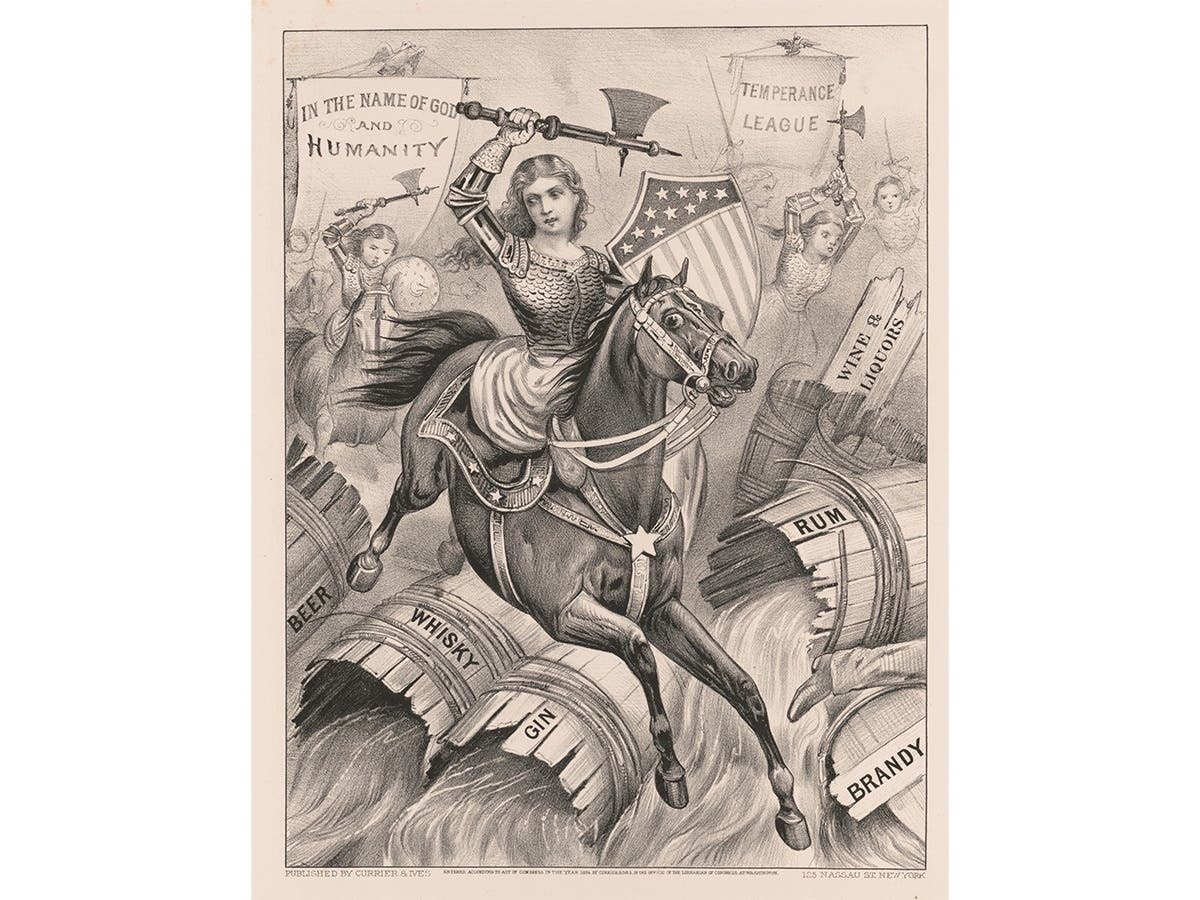
HERNDON, VA — The repeal of Prohibition did not come easy in the Town of Herndon. The temperance movement was strong, especially among the Methodist and Baptist women. Herndon also once had a Good Templar group, a fraternal order that accepted both men and women and promoted total abstinence from alcohol. Prohibitionist residents were known to complain about the wild night life and lawless saloon-like atmosphere that was created by the drunk men who would hang around the Herndon Depot, reportedly an on-going problem.
According to a 1968 article written by Marilyn McGinty in a Sun newspaper, the prohibitionist women in Herndon:
Find out what's happening in Herndonfor free with the latest updates from Patch.
“… felt [the drunken lawlessness] would be dispelled with incorporation, which by law banned the presence of saloons within the town limits. To further advance their wishes, the women arbitrarily chose four and one-third square miles as the town’s boundaries in order to keep the devilish enterprises beyond walking distance from the depot.”
The Town of Herndon was incorporated in 1879. That year the residents within Fairfax County’s Dranesville District — of which Herndon is a part — voted against the sale of liquor by a 146-117 margin.
By 1920 National Prohibition officially began when the 18th Amendment to the U. S. Constitution became law. But that was all upended in 1933 when the 21st Amendment repealed the 18th Amendment.
Find out what's happening in Herndonfor free with the latest updates from Patch.
It did not take long for the Herndon Town Council to take advantage of the newly adopted Amendment. Later that same year, the town council issued a permit to allow beer to be sold wholesale in Herndon. By 1935, another ordinance was passed unanimously to allow beer to be sold and consumed on premises on certain days of the week.
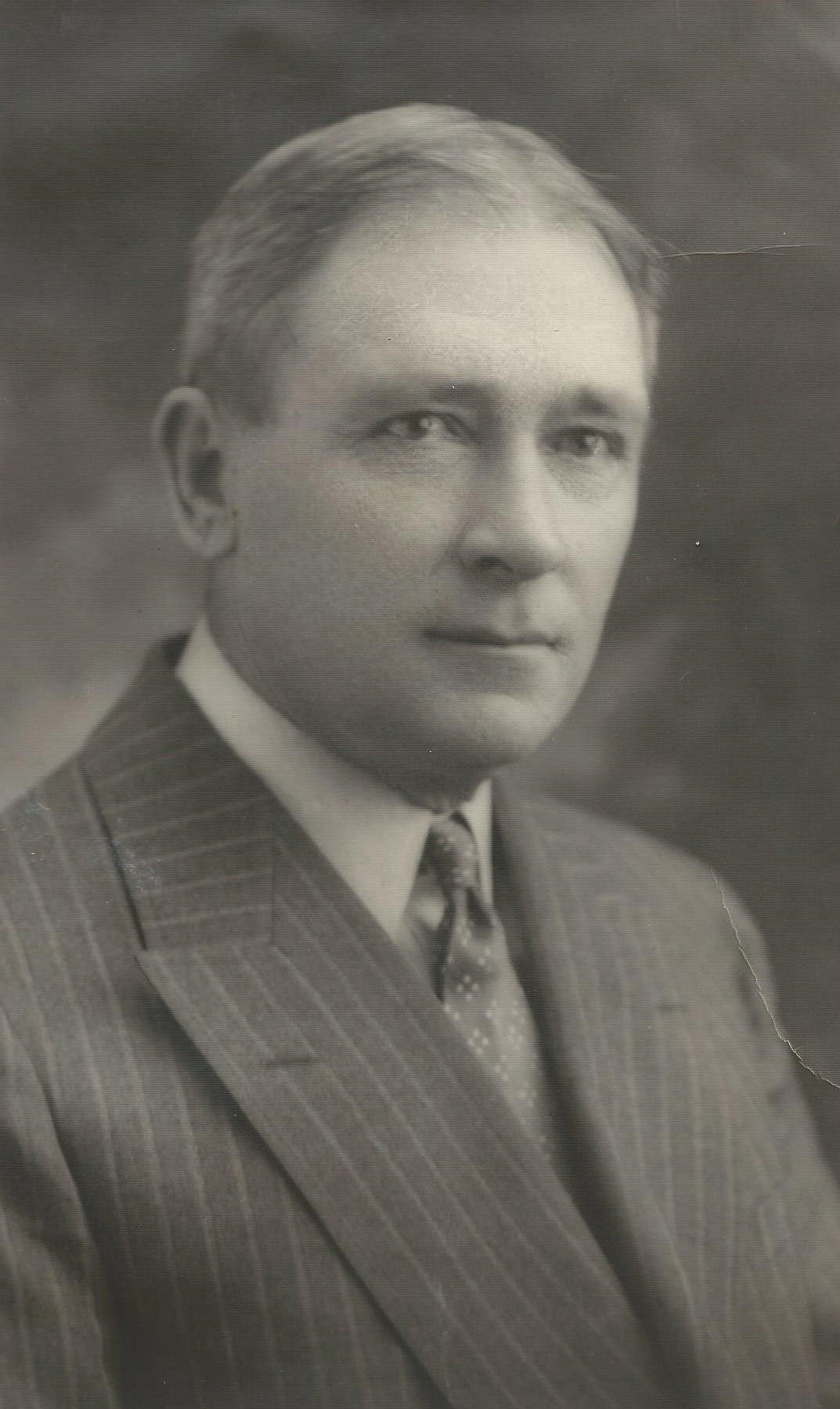
The effort to allow the sale of liquor, however, did not go so smoothly. In January 1936, the town council considered a resolution which would allow the Virginia Alcohol Beverage Control (A.B.C.) Board to open a liquor store in Herndon. Not too surprisingly, the majority of town merchants supported the resolution, believing it would bring increased sales into town (as people would no longer have to go outside of town to buy liquor). The vote passed 4-2 in support of the resolution, with Councilmen Robb, Linkins, Gibson, Wiley voting yes, and Councilmen Wilkins and Wrenn voting no. Mayor Kirk signed the resolution.
This caused quite the uproar in Herndon. Temperance residents put up stiff resistance. Citizens came to the following town council meeting to protest, presenting petitions indicating their opposition to the establishment of a liquor store in town. By the end of that month a citizen delegation was organized to go to Richmond in an effort to stop the proceedings to approve a liquor store in Herndon. Councilman Wiley then offered a revised resolution which would have rescinded the town’s request to establish a liquor store. The decision was tabled until the next meeting.
At the February meeting, all the Councilmen — with the exception of Councilman Robb — voted “aye” to pass Councilman Wiley’s revised resolution, indicating that they now considered it “inadvisable” to establish a liquor store in town. With that, Councilman Robb tendered his resignation.
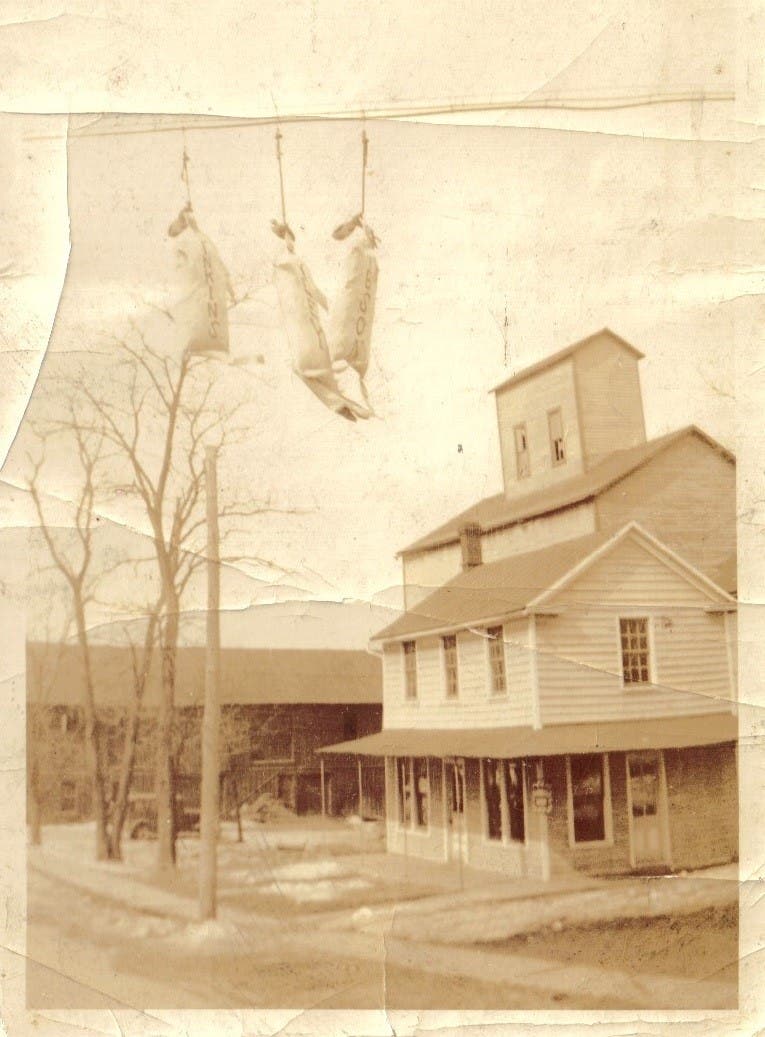
Some of the townspeople made their feelings known about the councilmen who had voted in favor of liquor sales in January and then reversed their votes in February. Using sandbags with their names marked on each, the councilmen were hung in effigy across Elden Street in the center of Town
Herndon resident Henry Grafton deButts (1876-1953), a local business owner and a former town councilman, who also had a penchant for writing poetry, wrote a poem that described the effigy episode when it occurred. He wrote:
The Sad Death of 3 Councilmen
by H. Grafton deButts
Herndon’s in a terrible fix,
Someone has raised its ire.
They have hung our three best councilmen,
On an electricity wire.
It really hurt our feelings,
And we tried to get them down.
And with the help of Mr. Electric man,
We brought them safely to the ground.
But boy it was really awful,
And was sure a bitter cup,
When they nailed them to 3 big oak trees,
And then burned them up.
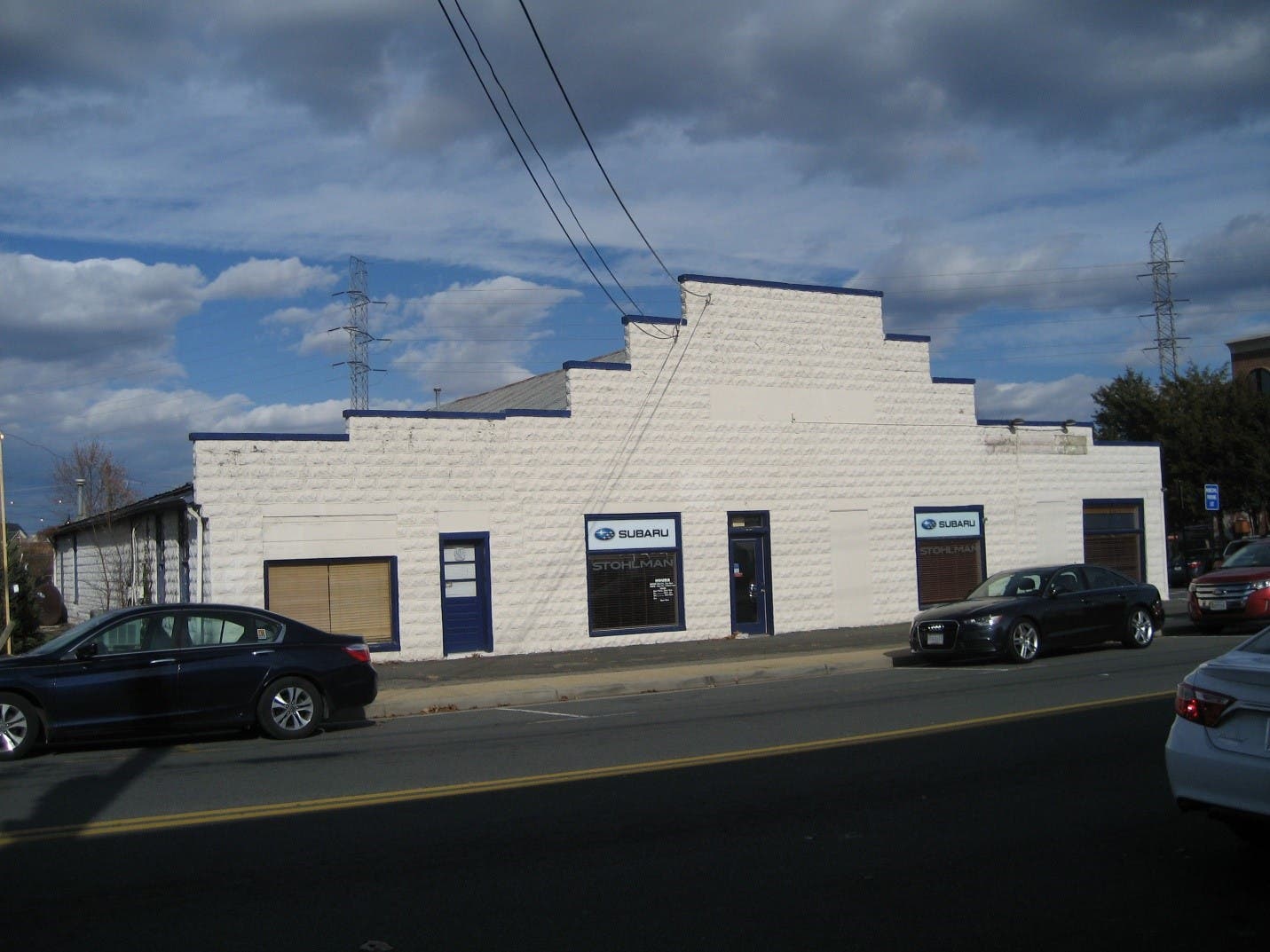
Although the town council minutes were silent on the issue of liquor sales for the following several months, somehow — miraculously — an A.B.C. store opened in Herndon on June 18, 1936. The store was located on the left (west) side of what was formerly used as the business office of the Horn Motor Company, which used to stand at 770 Elden St. near the northeast intersection of Center Street.
About this column: “Remembering Herndon’s History” is a regular Herndon Patch feature offering stories and anecdotes about Herndon’s past. The articles are written by members of the Herndon Historical Society. Barbara Glakas is a member. A complete list of “Remembering Herndon’s History” columns is available on the Historical Society website at www.herndonhistoricalsociety.org.
The Herndon Historical Society operates a small museum that focuses on local history. It is housed in the Herndon Depot in downtown Herndon on Lynn Street and is open every Sunday from 12-3 p. m. Visit the Society’s website at www.herndonhistoricalsociety.org, and the Historical Society’s Facebook page at https://www.facebook.com/HerndonHistory for more information.
Note: The Historical Society is seeking volunteers to help keep the museum open each Sunday. If you have an interest in local history and would like to help, contact HerndonHistoricalSociety@gmail.com.
Get more local news delivered straight to your inbox. Sign up for free Patch newsletters and alerts.