Politics & Government
What Midterm Election Candidates Can Actually Do To Lower Grocery Prices
Congress can address costs, illegal conduct, competition, and supply, but it cannot vote grocery prices back to pre-inflation levels.


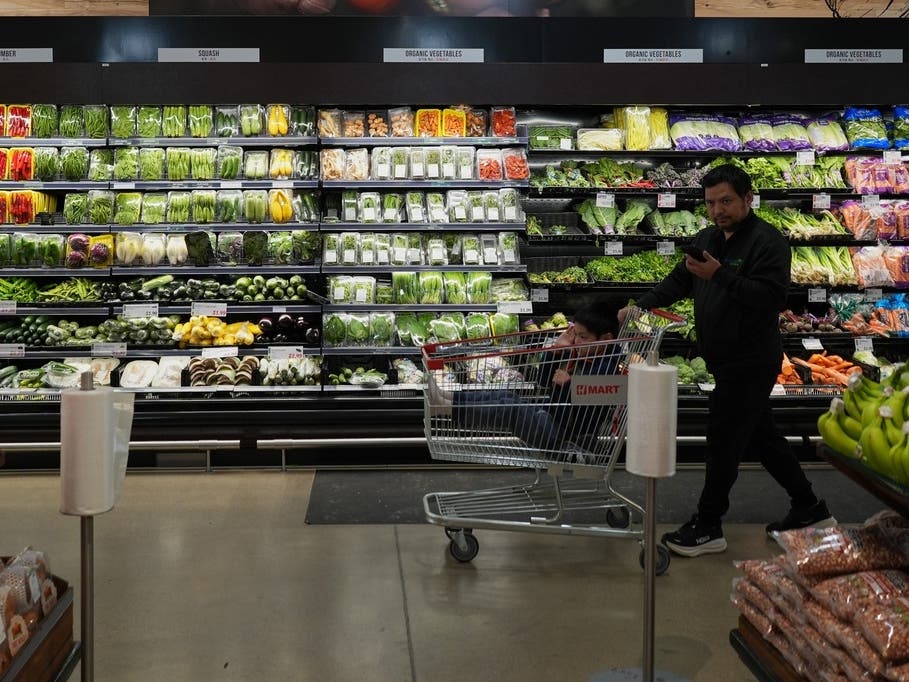
Record grocery prices have become a defining midterm issue, with candidates from both parties promising relief to Americans who are still wincing at the checkout after six years of whiplash.
But can they deliver?
Congress has tools that could help, from rolling back tariffs and strengthening competition to supporting food production and increasing assistance, but none of them offers a simple or quick fix.
Find out what's happening in Across Americafor free with the latest updates from Patch.
The historic increase happened for numerous reasons. The coronavirus pandemic snarled supply chains and raised labor and transportation costs. Droughts, hurricanes and diseases like bird flu drove down production. Tariffs raised prices on foreign products like coffee, tomatoes and chocolate. Russia’s ongoing war in Ukraine disrupted oil and fertilizer supplies.
With a fresh conflict in the Middle East accelerating food price inflation again this year, the cost of filling their refrigerators, freezers and pantries has become a frustration for Americans who are putting politicians on the spot as they campaign for the midterms.
Find out what's happening in Across Americafor free with the latest updates from Patch.
‘Prices Are Sky-high’
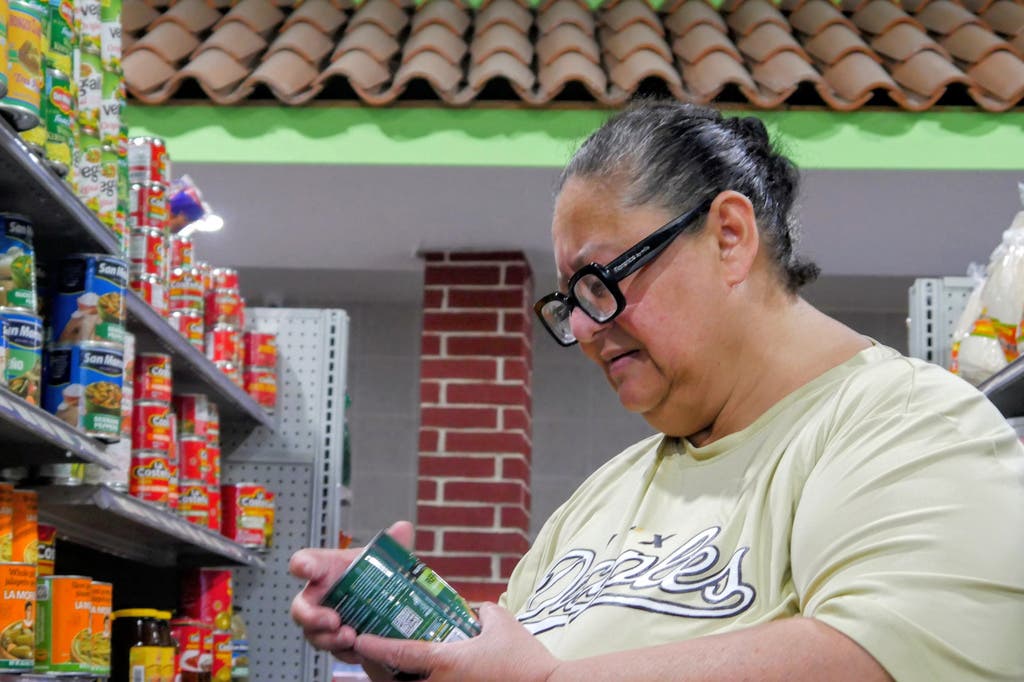
Americans like 60-year-old Ada Torres are hurting. No single grocery item epitomizes high prices more than ground beef, and Torres has stopped buying it. The Trump administration plans to allow up to 300,000 metric tons of ground beef into the country tariff-free for 90 days, but economists expect only modest, if any, savings at grocery stores.
Torres lives 45 miles northeast of Houston in Cleveland, Texas, where she shares a home with her 36-year-old daughter and three grandchildren. Her daughter works for a mobile car-washing service and is the family’s main provider. Torres does the grocery shopping and cooking.
“Prices are sky-high,” she told The Associated Press. “One hundred dollars’ worth of groceries these days is nothing. Maybe you can bring home seven family-size items if you manage to find a good deal.”
Top Midterm Issue
Nearly half (47 percent) of registered voters chose the cost of living as the single most important issue driving their votes in congressional races in the Nov. 3 midterms, according to a Reuters/Ipsos poll taken Aug. 28-31. That included 49 percent of Republicans, 43 percent of Democrats and 50 percent of independent voters.
High grocery prices aren’t the only affordability issue. But they are a major source of stress among 45 percent of adults and a minor source for 36 percent of them in a July Associated Press-NORC poll. Nearly two-thirds had stopped buying some grocery items, 65 percent had switched to store brands, and 62 percent had cut back on restaurant meals to afford necessities.
August grocery prices didn’t budge from July numbers and remained 2.2 percent higher than last year, according to the Labor Department’s latest Consumer Price Index.
Ground beef, a stretchable staple in many American kitchens, cost around $3.80 a pound in 2019, before food prices were thrown into flux. The cost soared to $6.92 in August 2026, an increase of about 82 percent from 2019. Hamburger costs about 7.9 percent more than it did a year ago.
Other pricey items in Americans’ grocery carts include sugar and sweets, up 6.1 percent from August 2025; nonalcoholic beverages, up 3.7 percent; and fresh vegetables, up 2.6 percent, according to the August inflation report.
Egg prices were still 23 percent lower than a year ago as production recovered from bird flu outbreaks, although a new outbreak in a Utah flock helped push prices up 2.9 percent from July to August. Wild birds’ fall migration brings renewed outbreak risk that could interrupt that recovery.
What Could Congress Do?
A Harris Poll survey earlier this year found 57 percent of consumers, including majorities of both Democrats and Republicans, single out import taxes as the primary driver of high grocery costs.
The Constitution gives Congress authority over tariffs and foreign trade, but over nearly a century lawmakers have delegated presidents substantial power to impose tariffs under specified circumstances.
Trump’s tariffs have been sweeping, and although the Supreme Court struck down his broad emergency tariffs, a hodgepodge of other import taxes remains in place, raising prices and straining many American consumers’ budgets.
Congress could remove or limit tariffs on imported food, fertilizer, farm machinery and packaging, or reclaim some of that delegated authority. This is among the few actions that could reduce particular prices comparatively quickly.
Increase SNAP Benefits
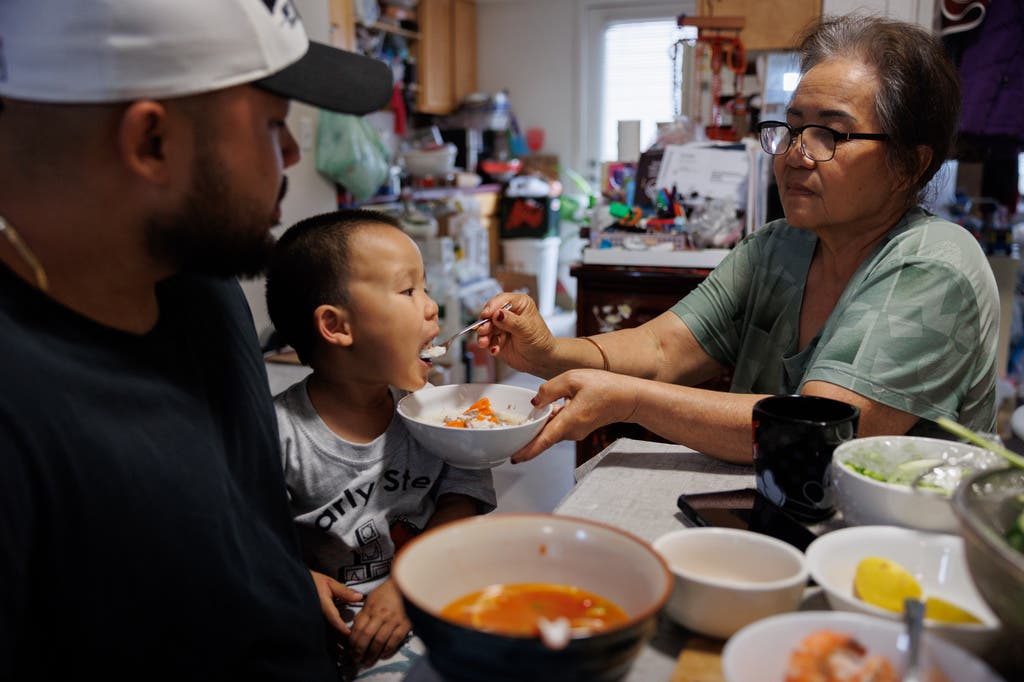
Congress can increase Supplemental Nutrition Assistance Program benefits, change eligibility rules, or reverse Trump administration policies tightening SNAP eligibility requirements last year. As of April, 37 million Americans were enrolled in the program, a 12 percent decline from a year earlier, according to the U.S. Department of Agriculture.
Those actions could make groceries more affordable for SNAP participants, but they would not lower prices on store shelves.
Self-employed San Francisco barber Jack Chang, 33, a father of three whose partner is unemployed, depends on SNAP because the money he makes cutting hair five or six days a week doesn’t always stretch far enough.
“Since I have five mouths I have to feed, basically — and then sometimes my mom, too — it’s a lot on me financially,” Chang told The Associated Press.
Food isn’t the only pressure on Chang’s limited income. The rent for his barbershop went up 10 percent as he was losing clients who had been laid off from their tech jobs. He bought a used minivan, so now he has a monthly car payment.
“I look at my credit card every month and I’m like, ‘Wow, how am I going to pay this?’ So I’m a little behind on bills, honestly,” Chang told The AP.
Chang and his partner aren’t frivolous with their money. They shop generic brands of food and medicine and conventional products. When their 4-year-old daughter’s preschool has leftover lunch items like meat or bread; they accept the charity.
Without SNAP, “I don’t know what I would do,” he said.
Strengthen Anti-Trust Enforcement
Congress can take other actions that could ultimately stabilize food prices, but not quickly.
For example, lawmakers could give the Justice Department, Federal Trade Commission and USDA more money and authority to investigate price fixing, block anticompetitive mergers, and police meatpacking, seed, fertilizer and grocery markets.
The Trump administration reached a proposed settlement in an antitrust case against Agri Stats, a meatpacking data-sharing company accused of inflating grocery prices. Justice Department officials framed the Biden-era lawsuit as a win for meat market competition and consumer costs, though immediate price drops are not guaranteed.
The administration also created food-supply competition task forces in December to investigate and enforce existing law. The task forces are charged with investigating price fixing and other anticompetitive conduct throughout the food supply chain, examining whether foreign control of food companies is increasing prices or threatening the food supply, pursuing civil or criminal cases when warranted, proposing regulations or legislation, and briefing congressional leaders on their findings.
Congressional Democrats have proposed the Family Grocery and Farmer Relief Act, which would force some large meatpackers to divest operations and support smaller processors and farmer cooperatives. Those changes could take years to implement
Prohibit Grocery Price Gouging
The proposed Stop Price Gouging in Grocery Stores Act of 2026 by Senate Democrats would prohibit “grossly excessive” prices, restrict prices based on personal consumer data, and ban large stores from using electronic shelf labels. The Federal Trade Commission would define a grossly excessive price, potentially using a threshold of 20 percent above a product’s six-month average.
Supporters argue such a law could prevent retailers from exploiting emergencies or market disruptions. Critics argue ordinary price changes are difficult to distinguish from gouging when fuel, labor or wholesale costs are moving quickly. It also would not produce more cattle, stop bird flu or reverse drought.
Increase Processing Capacity
Congress could finance smaller slaughterhouses, regional food-processing plants, cold-storage facilities and transportation infrastructure. More processors could give farmers alternatives to a handful of dominant companies and make the food system less vulnerable when one large plant closes.
The House Agriculture Committee says its 2026 farm bill would invest in meat and poultry processing, biosecurity, agricultural research and precision farming. Those measures could reduce bottlenecks or production costs over time. They are not a quick grocery rebate.
Address Farm Labor
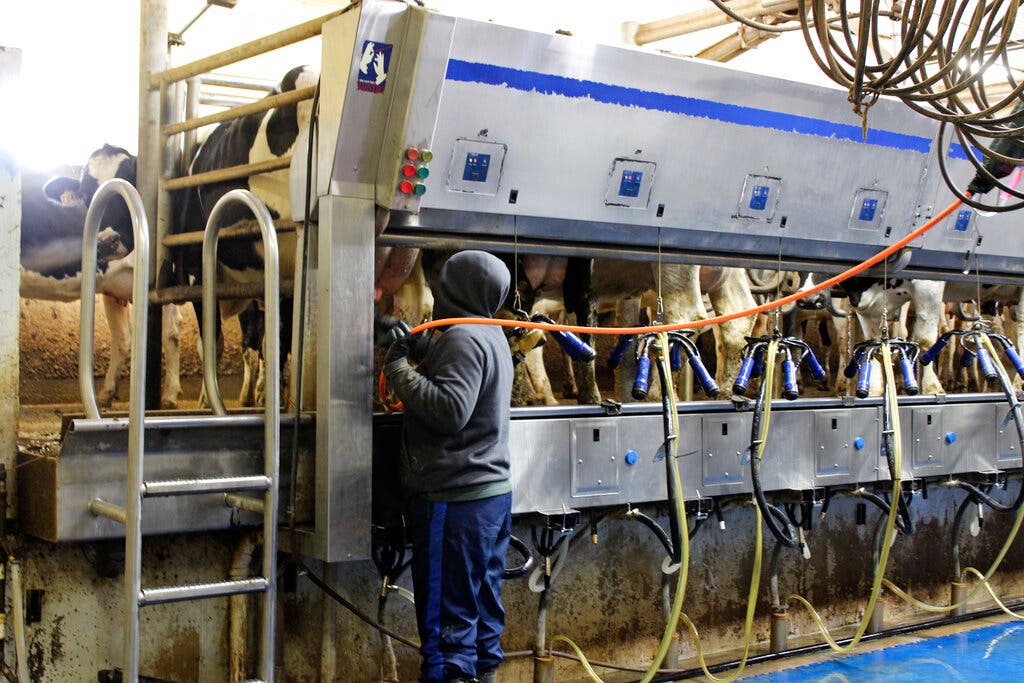
Congress could change agricultural guest-worker rules, legalize more of the existing farm workforce or otherwise reduce chronic labor shortages. Labor is particularly important for fruit, vegetable, dairy and meat production.
Foreign-born workers made up less than 19 percent of employed workers in the United States in 2023, according to Census Bureau data. But they accounted for nearly 24 percent of jobs preparing and serving food and 38 percent of jobs in farming, fishing and forestry.
Pew Research Center data show that 45 percent of workers in farming, fishing and forestry are immigrants, and it further shows more than 1.2 million immigrants disappeared from the labor force during the first six months of Trump’s second presidency.
Tighter immigration enforcement without a replacement workforce could raise production costs or leave crops unharvested. Any effect on retail prices would vary by commodity and would take time to work through the supply chain.
Fuel Costs Add Pressure
Diesel fuel prices climbed above $6 a gallon, jumping 36 cents in a week, amid disruptions tied to the war with Iran. That affects tractors, refrigeration, trucking, and frequent deliveries of produce, meat and seafood.
Fuel accounts for roughly 15 percent to 30 percent of the total cost of food, according to the Independent Grocers Alliance. Perishable products such as meat, seafood and produce could feel the effects first because they must be refrigerated and delivered frequently.
Consumers may not see the full increase immediately. Businesses initially can absorb some added costs through existing freight contracts and retailer margins, but more of the expense could reach shoppers as contracts are renegotiated and fuel surcharges take effect.
Congress could temporarily reduce federal fuel taxes, authorize energy measures or attempt to limit the conflict driving oil prices. But suspending fuel taxes does not guarantee that the entire savings reaches consumers, and transportation is only one portion of a grocery item’s price.
What Congress Can’t Fix
Congress cannot quickly rebuild the cattle herd, end drought, prevent every bird flu outbreak, produce a better harvest or dictate the price charged for every product. Rebuilding cattle herds, especially, takes time because ranchers need years to retain breeding animals and raise additional calves.
It also cannot make inflation run backward without risking deflation and economic damage. When officials say food inflation has slowed, they mean prices are rising more slowly. They do not mean the grocery bill has returned to its 2019 level.
The Associated Press contributed to this report.
Also On Patch
Get more local news delivered straight to your inbox. Sign up for free Patch newsletters and alerts.