Community Corner
A Summer Of Shooting Stars, Eclipses And Maybe Even Northern Lights
The Perseids headline a busy summer skywatching season that includes solar and lunar eclipses and a lingering chance of seeing the aurora.


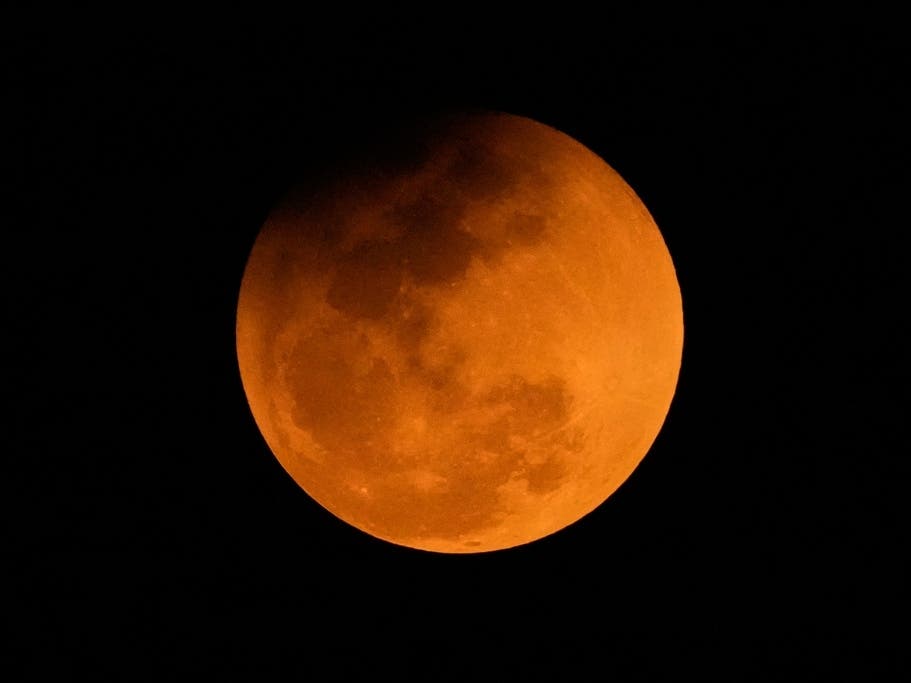
This summer brings the kind of skywatching calendar that rewards people who are willing to find a dark sky in the middle of the night and lose themselves in celestial wonder.
There are meteor showers, a solar eclipse visible in part of the United States, a late-August lunar eclipse and the continuing possibility of northern lights pushing farther south than usual.
Meteor showers, especially, are synonymous with warm nights, dark skies and the kind of memories people make when they are looking up at a starry sky together.
Find out what's happening in Across Americafor free with the latest updates from Patch.
Perseids: The Main Event
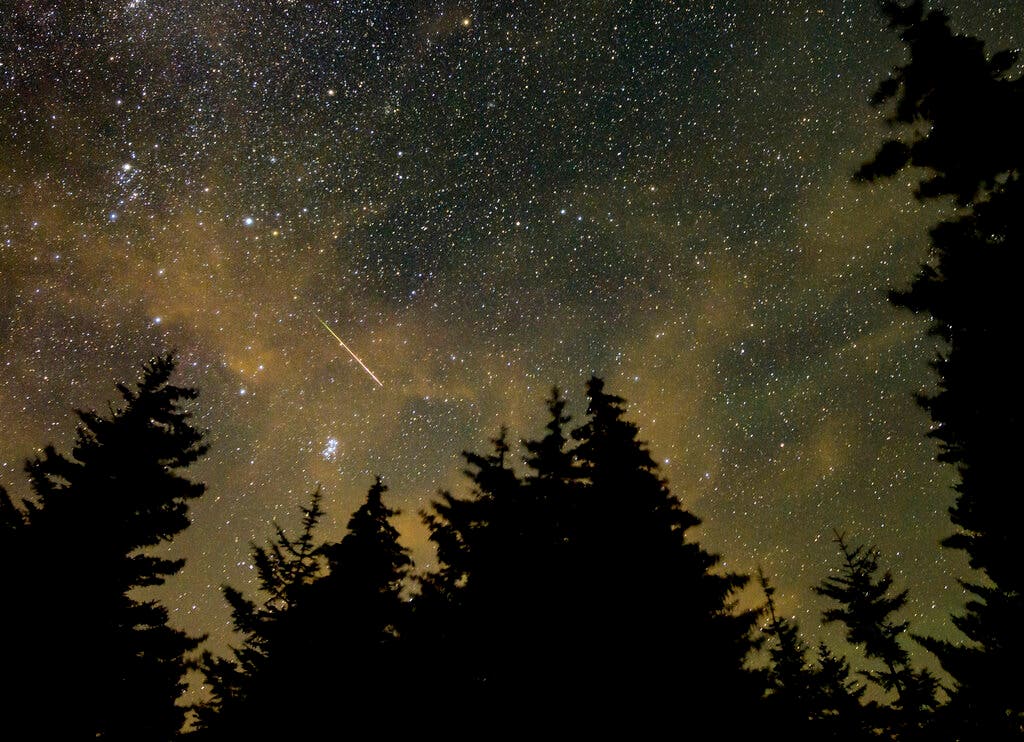
Summer’s main event is the Perseid meteor shower. This beloved shooting star show is active from July 17 to Aug. 24, with the best viewing expected overnight Aug. 12-13.
The Perseids are beloved partly because they arrive when people are already outside — on vacations, at campgrounds, in back yards, on docks and around late-night fires.
Find out what's happening in Across Americafor free with the latest updates from Patch.
They’re known for bright meteors, occasional fireballs and lingering trains, those brief glowing streaks that seem to hang in the sky after the meteor is gone.
Last year, the Perseids were not a dud, exactly. They are too prolific and too bright for that. But an 84 percent full moon stole a lot of the show, washing out many of the fainter meteors just as the shower reached its peak.
This year, the moon stays obligingly away. With clear, dark skies in play, skywatchers could see 90 or more shooting stars an hour. The odds of a spectacular show don’t get much better than that as long as the weather cooperates.
The Dress Rehearsal
Before the Perseids take over, the Delta Aquariids and Alpha Capricornids offer a quieter late-July warmup with a dual peak around July 30.
The Delta Aquariids tend to produce fainter meteors and favor the Southern Hemisphere and southern United States. They run from July 18 to Aug. 21.
The Alpha Capricornids are mild by the numbers, producing around five meteors an hour, but they are known for slow, bright fireballs — the kind of meteor that can make a sparse shower worth watching.
A full moon on July 29 will not help, but the moon-free mornings before then could be worth a look.
Aug. 12: A Double Feature
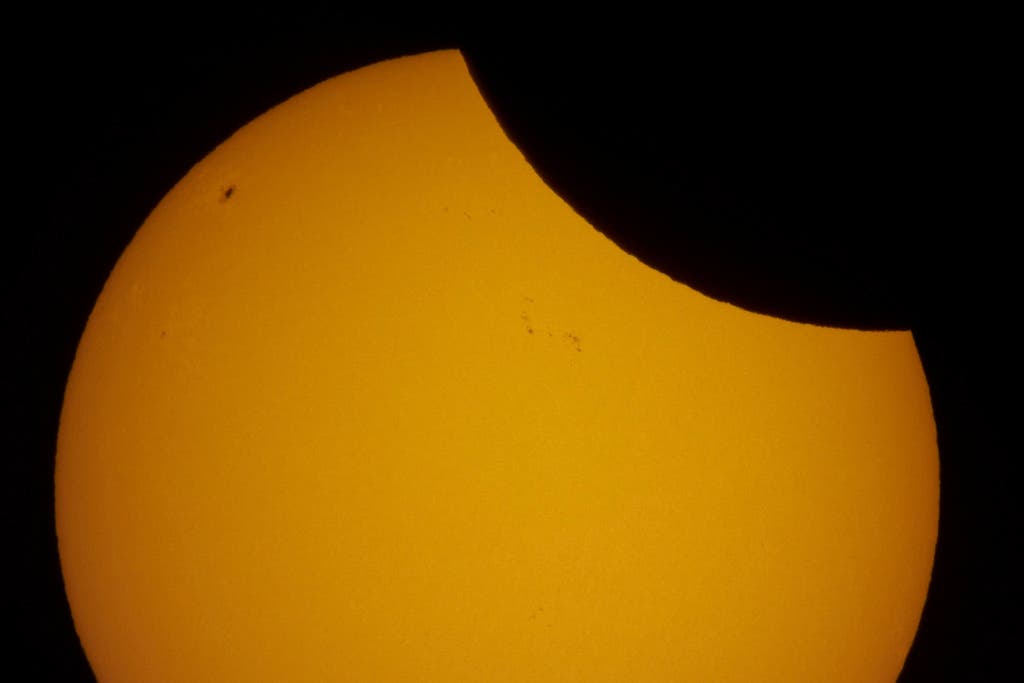
The sky doubles the fun on Aug. 12 when the Perseids peak.
Earlier in the day, a partial solar eclipse will be visible across a broad swath of the country, from Alaska into parts of the Midwest, Great Lakes, Mid-Atlantic and Northeast.
People in 26 states and the District of Columbia may have at least some view of the partial eclipse, including skywatchers in New York, Boston, Philadelphia, Washington, D.C., Detroit, Cleveland, Minneapolis and Anchorage.
Some people in the northeastern U.S. may see up to about 15 percent of the sun covered. That’s not the moon appearing to swallow the sun whole, as will happen along the path of totality crossing parts of Greenland, Iceland, Spain, Russia and a small part of Portugal.
Americans will see more of a polite nibble.
Still, it is an eclipse, and eclipse rules apply.
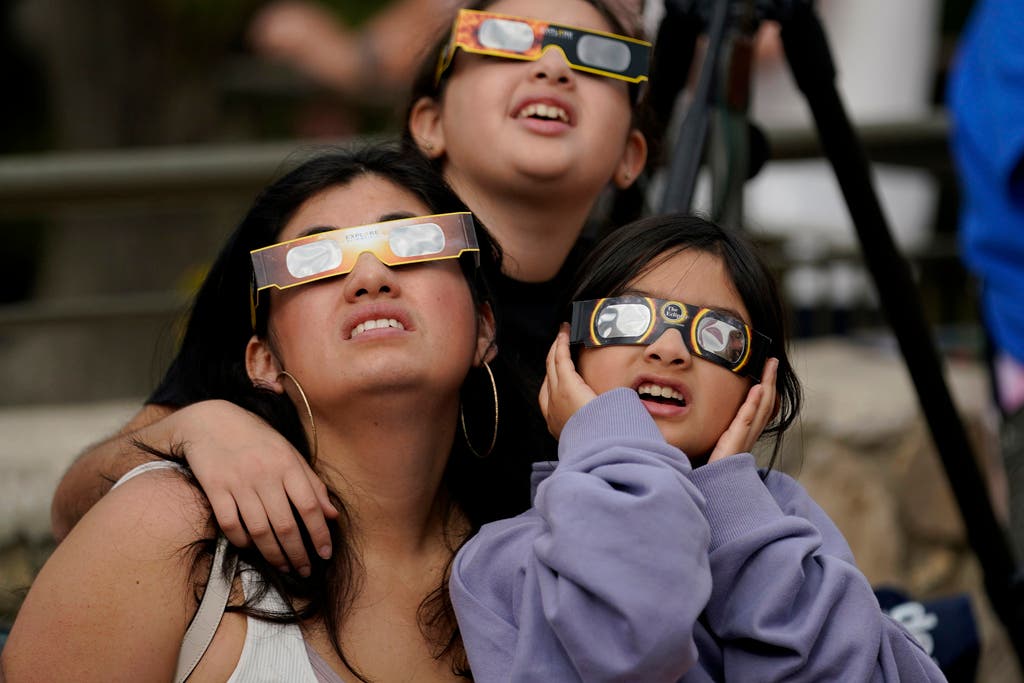
Do not look directly at the sun without approved solar eclipse glasses. Sunglasses do not count. Even a brief look without eye protection can cause retina damage.
A Deep Partial Lunar Eclipse
Two weeks later, the moon slips into Earth’s shadow during a deep partial lunar eclipse—which means the moon passes far into Earth’s darkest shadow but not completely enough to become a total eclipse.
In one of the best moon shows of the year, about 96 percent of the moon will pass through Earth’s dark shadow, or umbra.
The eclipse will be visible across the United States, with the best timing in the western half of the country because the deepest part of the eclipse happens earlier in the evening there.
Eastern states will see the eclipse peak after midnight on Aug. 28, while Central, Mountain and Pacific states will see the peak late Thursday night, Aug. 27.
Some partial lunar eclipses barely nick the moon. In September 2024, for example, only a small sliver of the moon entered the umbra. The Aug. 27-28 eclipse should be more dramatic, with nearly all of the moon passing into Earth’s dark shadow at maximum eclipse.
EarthSky says the moon will begin entering Earth’s darker shadow beginning at 10:33 p.m. EDT on Aug. 27, reaching maximum eclipse at 12:42 a.m. EDT, and leaving the shadow by 1:52 a.m. EDT.
Unlike a solar eclipse, a lunar eclipse is safe to watch without special glasses. The main thing is a clear view of the moon and enough patience to let the shadow move across it.
Summer Full Moons
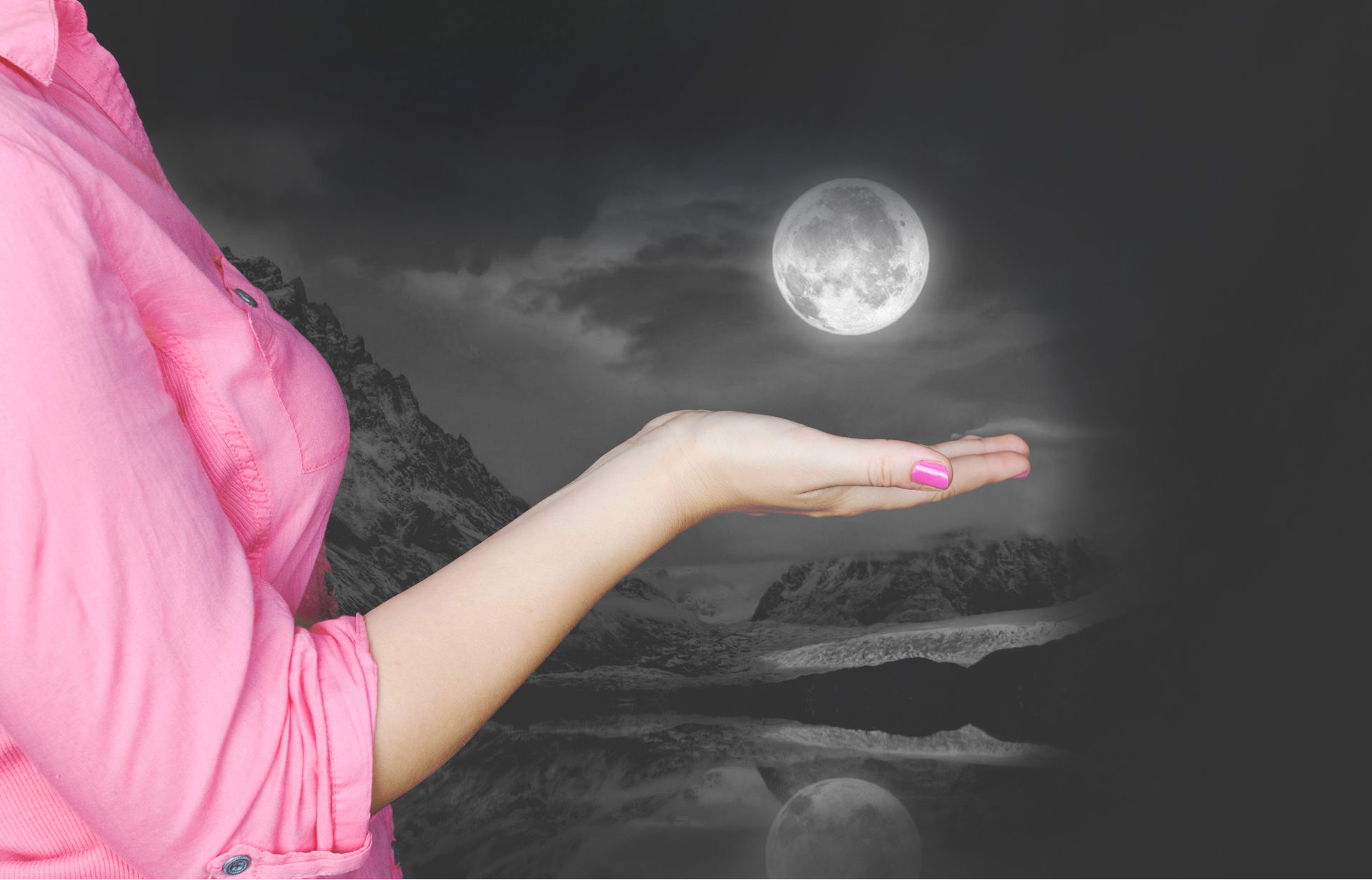
Even when there’s no meteor shower or planet show to chase, full moons can be a summer delight.
July’s full Buck Moon rises July 29, followed by August’s full Sturgeon Moon on Aug. 28.
None of those full moons is a supermoon, according to EarthSky, though July and August do bring “new supermoons” — the kind we don’t see because the moon is between Earth and the sun. The next full supermoons arrive later in the year.
Northern Lights Still In Play
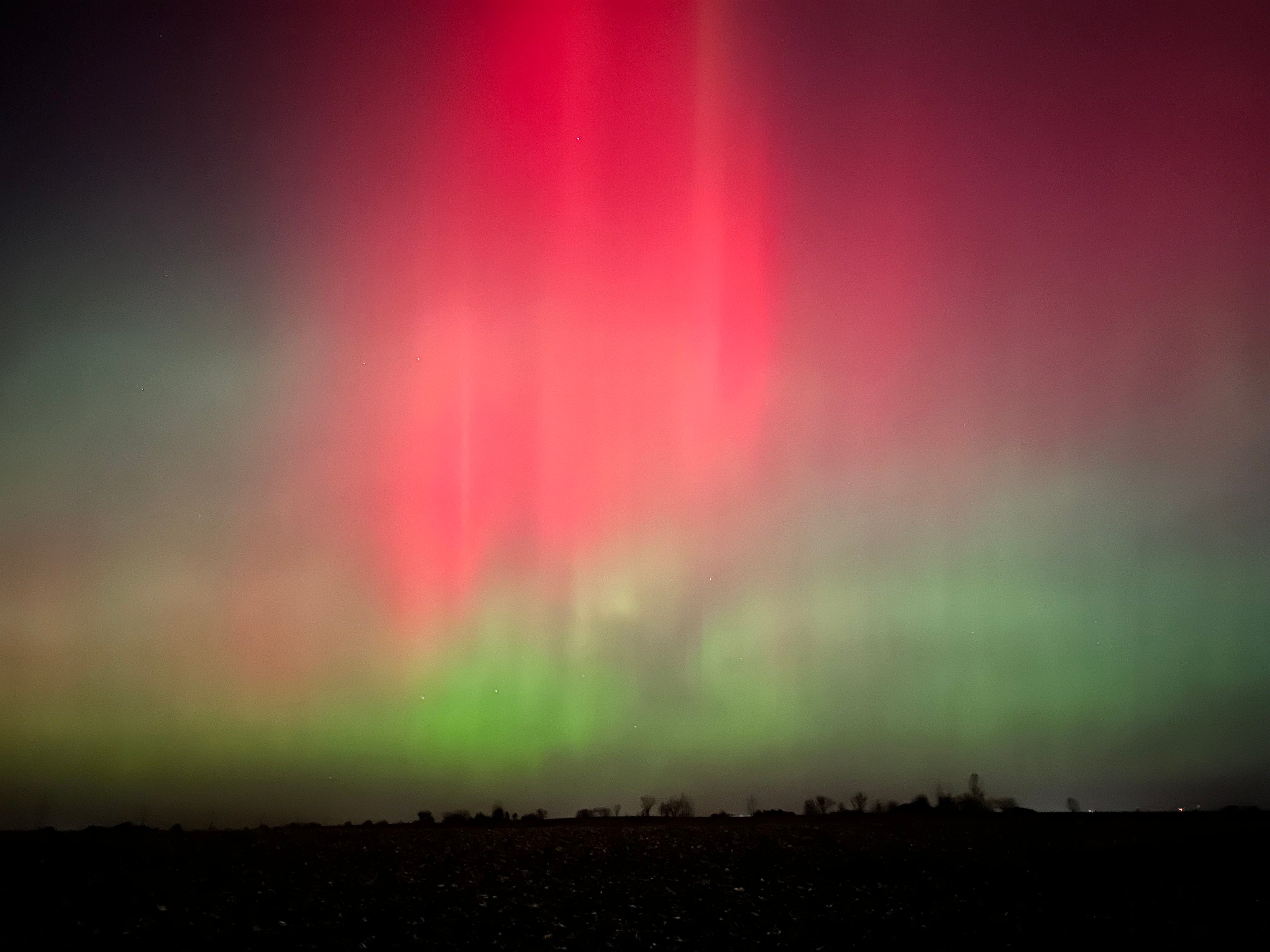
The aurora borealis has been unusually active because the sun has been in the maximum phase of Solar Cycle 25, its roughly 11-year rhythm of rising and falling magnetic activity.
In October 2024, scientists at NASA, the National Oceanic and Atmospheric Administration, and the Solar Cycle Prediction Panel said the sun had reached solar maximum, the stormier part of the cycle.
During solar maximum, sunspots, solar flares and coronal mass ejections become more common, increasing the chances of geomagnetic storms that can push the northern lights farther south than usual.
That does not mean every geomagnetic storm will bring visible northern lights to Pennsylvania, Illinois or Virginia. Cloud cover, light pollution, timing and the strength of the storm all matter, especially for skywatchers outside the far northern states.
It does mean the odds of geomagnetic storms — and auroras reaching lower latitudes than usual — remain better than they are during the sun’s quieter years. NOAA has said significant storms can also happen during the declining phase of the solar cycle, so aurora alerts are still worth watching this summer.
Get more local news delivered straight to your inbox. Sign up for free Patch newsletters and alerts.