Seasonal & Holidays
10 Food Safety Mistakes People Make During Summer Picnics
With excessive heat forecast for the country's semiquincentennial, following these food safety tips can keep guests out of the hospital.


Nothing goes bad quicker in the sun than potato salad, unless it’s deviled eggs — both staples on many Fourth of July picnic tables.
Packed with moisture and protein and bound with mayonnaise, both fall directly into the USDA’s “danger zone.” That’s the temperature range between 40 degrees and 140 degrees Fahrenheit where harmful bacteria can rapidly multiply, sometimes doubling in just 20 minutes.
Fourth of July cookouts and picnics notoriously bring together several of the biggest risk factors for foodborne illnesses. In addition to side dishes that can make people sick if left out too long, other dangers include raw meat, shared serving trays and coolers that don’t stay cold.
Find out what's happening in Across Americafor free with the latest updates from Patch.
This year, with an intense heat dome forecast to bring temperatures in the low 100s across much of the Midwest and Eastern United States, the risk of food poisoning is especially high.
Avoid These 10 Mistakes
Here are 10 food safety mistakes commonly made on the Fourth of July:
Find out what's happening in Across Americafor free with the latest updates from Patch.
Packing too much in one cooler: It’s important to keep raw foods, especially raw meats, in a separate cooler from ready-to-eat foods that will be eaten without any further cooking. Raw meat juices often contain pathogenic bacteria, such as salmonella and E. coli, and can cause infection when foods or beverages that have become contaminated are consumed.
Putting bulky coolers in a scorching car trunk: This gives bacteria a head start before you even arrive. Instead, keep coolers in the air-conditioned cabin of the car and immediately move them into the shade when you get to the picnic or party.
Thawing meat on the picnic table: Defrosting frozen meat or poultry out in the open air allows the outer layers to reach unsafe temperatures while the inside is still frozen. Thaw in a refrigerator or cold water at home first.]
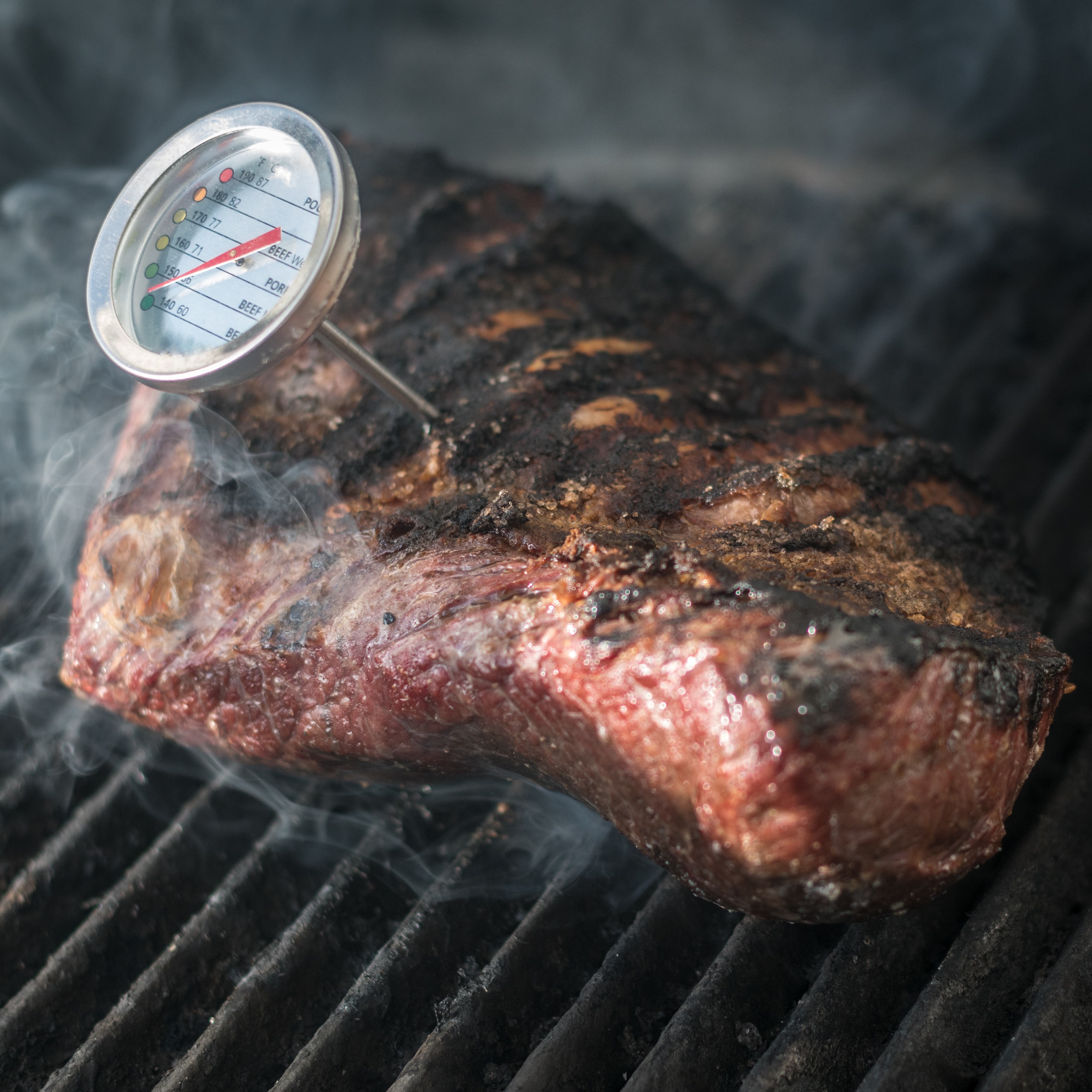
Guessing doneness: It’s easy to assume a burger is done because the outside is charred. Always verify by using a proper meat thermometer to ensure safe temperatures — 145 degrees F for steaks, chops, and roasts; 160 degrees F for ground meats; and 165 degrees F for all poultry.
Reusing the “raw” platter: Never place perfectly grilled, ready-to-eat chicken or burgers onto the exact same plate or cutting board that held raw meat.
Not packing enough utensils: Avoid the temptation to wipe off a spatula or tongs used on raw meat. Always pack separate, clean utensils specifically for handling cooked food.
Basting with raw marinade: Marinades that have touched raw meat are teeming with bacteria. Never brush them onto cooked foods unless they have been boiled thoroughly first.
Using wire grill brushes: Bristle brushes can leave behind sharp metallic fragments that stick to food and cause serious internal injuries.
Failing to wash your hands: Maintain good hygiene by bringing an insulated jug of hot water, soap and paper towels.
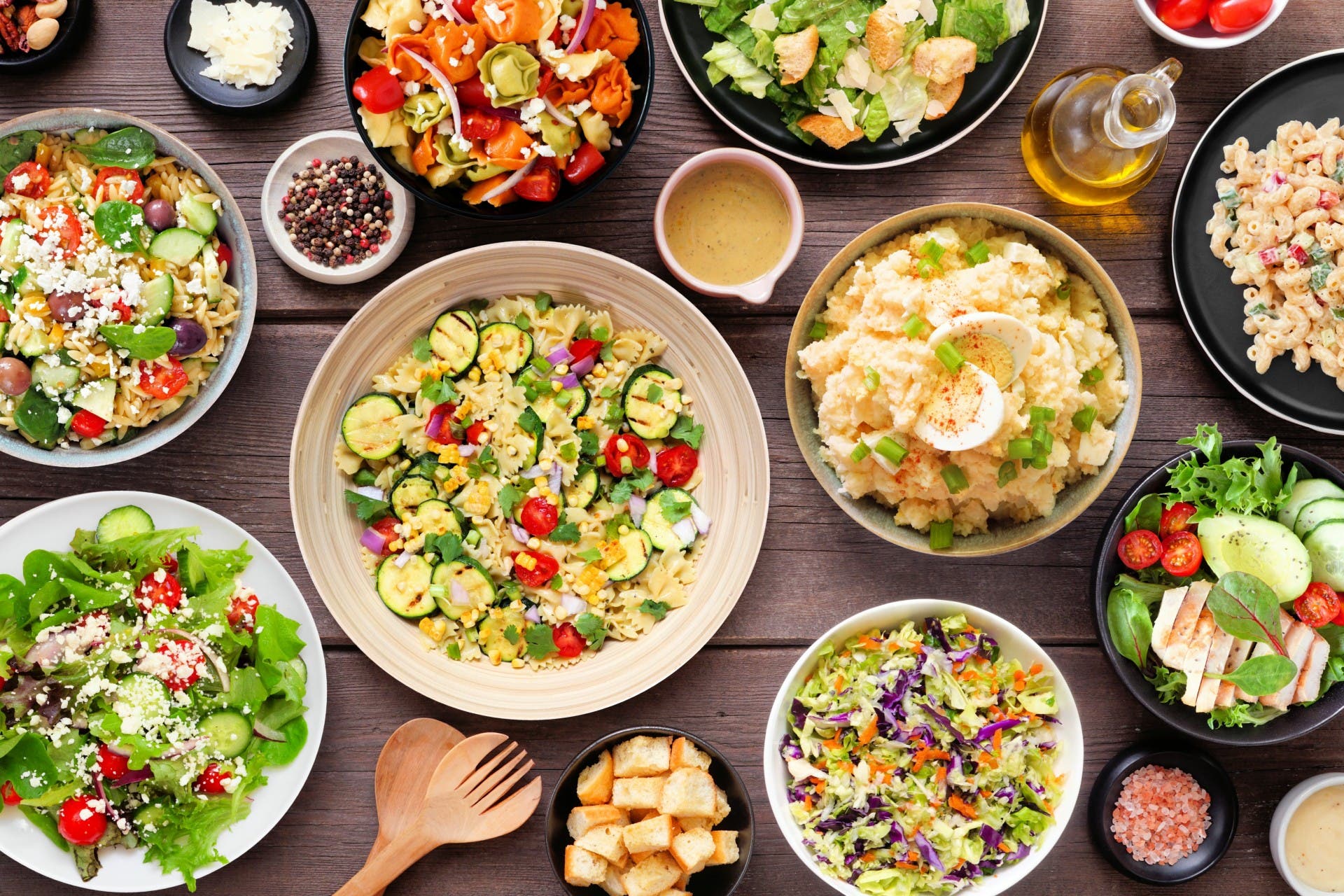
Leaving side dishes out too long: Staples like potato salad or deviled eggs enter the USDA “danger zone” where bacteria multiply in as little as one hour if temperatures exceed 90 degrees F. Leave bowls nested in larger bowls of ice and return leftovers to the cooler immediately after serving.
Also on Patch
Get more local news delivered straight to your inbox. Sign up for free Patch newsletters and alerts.