Politics & Government
House Passes Bill Making Daylight Saving Time Permanent: What Happens Now
Supporters favor more evening daylight and an end to clock changes, but critics warn of darker, potentially more dangerous winter mornings.


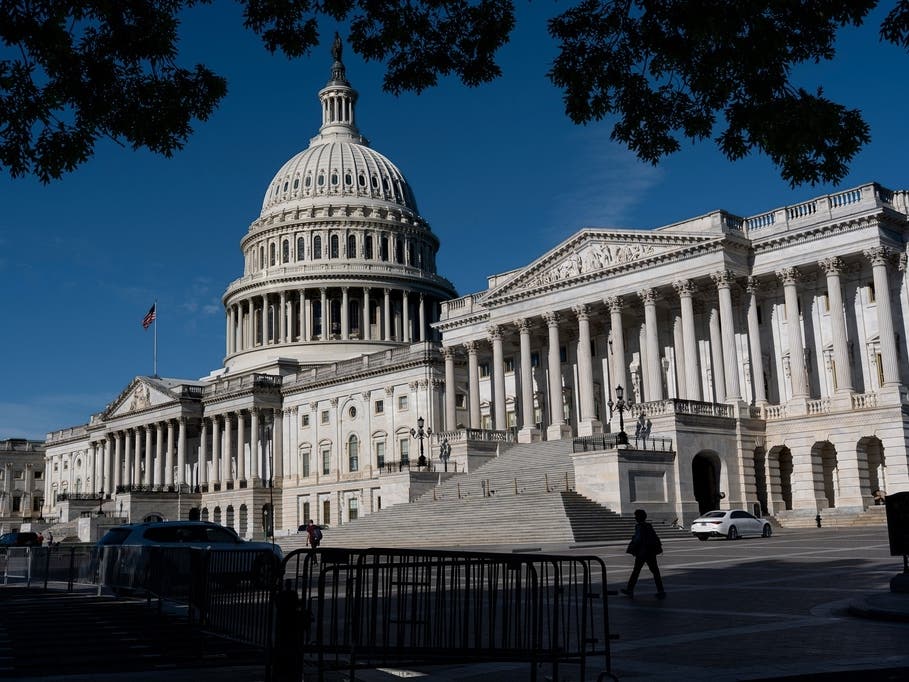
Legislation that could permanently set the nation’s clocks to daylight saving time and end twice-a-year clock changes has cleared the U.S. House.
The House voted 308-117 Tuesday to pass the Sunshine Protection Act, which would make daylight saving time permanent nationwide.
States could opt out and remain on standard time if their legislatures act before the measure takes effect.
Find out what's happening in Across Americafor free with the latest updates from Patch.
Here’s what you need to know:
What Happens Now?
The bill still needs Senate approval before it could go to President Donald Trump. It is unclear whether the Senate will take it up.
Find out what's happening in Across Americafor free with the latest updates from Patch.
The White House supports the proposal, calling it a popular, common-sense change. Presidential advisers are expected to recommend that Trump sign it if it reaches his desk.
Unless Congress and the president change the law before then, clocks will be turned back one hour on Nov. 1.
Sunsets And Sunrises
Making daylight saving time permanent would mean later sunsets throughout the year but also later winter sunrises.
The earliest sunset of the year usually falls around Dec. 7, and the latest sunrise usually occurs between Jan. 3 and Jan. 6
In much of the Northeast, the sun sets in the 4 o’clock hour during the darkest weeks of the year. Under permanent daylight saving time, sunset would come an hour later.
The trade-off would be darker winter mornings. Around the latest sunrise of the year in early January, daylight does not arrive in many parts of the region until after 7 a.m. Under permanent daylight saving time, sunrise would shift to after 8 a.m.
In the Southeast, the sun sets in the 5 o’clock hour during the darkest weeks of the year. In early January daylight does not arrive in many parts of the region until after 7 a.m. Under permanent daylight saving time, sunrise would shift to after 8 a.m.
Pros And Cons
Supporters say Americans are tired of changing their clocks and would benefit from more usable daylight after work and school.
Rep. Gus Bilirakis, a Florida Republican, said it is time to “ditch the switch,” arguing that the twice-a-year changes cause needless disruption and that longer evenings would give families more time outdoors while supporting businesses.
Critics say the trade-off would be darker and potentially more dangerous winter mornings, when children are waiting for school buses and commuters are heading to work.
“Millions of Americans will wake up during the winter months in complete darkness with the sun not rising until long after people get up and travel to school or work or have to go about their days,” Rep. Mary Gay Scanlon, a Pennsylvania Democrat, said during the House debate.
Rep. Jim McGovern, a Massachusetts Democrat, voted for the measure but questioned whether it should be a priority when families are struggling with housing, food, utility and health care costs.
What Polls Show
Americans appear to favor the later-evening option when asked to choose between permanent daylight saving time and permanent standard time.
An Associated Press-NORC Center for Public Affairs Research poll conducted in 2025 found that 56 percent of adults preferred permanent daylight saving time, with less morning light and more evening light. About 4 in 10 preferred permanent standard time, with earlier sunrises and sunsets.
Congress has debated ending the clock changes for years. The Senate passed a permanent daylight saving time bill in 2022, but the measure stalled in the House.
Federal law currently allows states to remain on standard time throughout the year, but states cannot independently adopt permanent daylight saving time. Arizona and Hawaii generally do not observe daylight saving time.
The Associated Press contributed to this report.
Get more local news delivered straight to your inbox. Sign up for free Patch newsletters and alerts.